SCREEN-FREE PARENTING
Screen-Free Parenting
Encouraging children to engage in activities like reading, playing, and family interaction instead of spending time on screens.
Encouraging children to engage in activities like reading, playing, and family interaction instead of spending time on screens.
34 posts
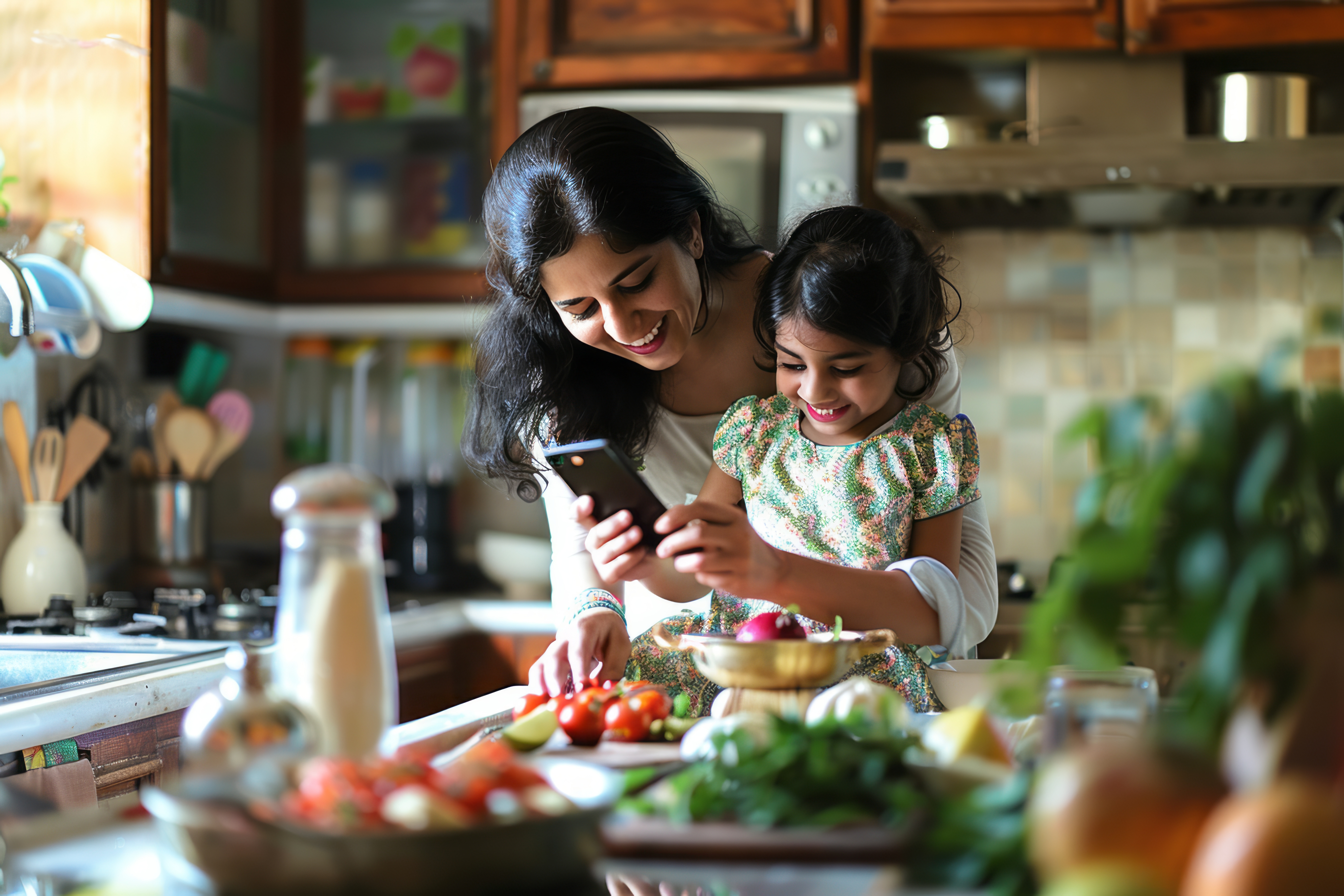
How to Get Grandparents and Caregivers to Follow Screen Rules
You’ve decided your approach. You’re trying to reduce screen time. You’re being mindful. Intentional. And then… Your child goes to a grandparent’s house. Or spends time with a babysitter. Or even just sits with another parent or relative. And suddenly, everything changes.

How to Handle Screen Demands in Public Without Giving In (Restaurants, Travel & Social Situations)
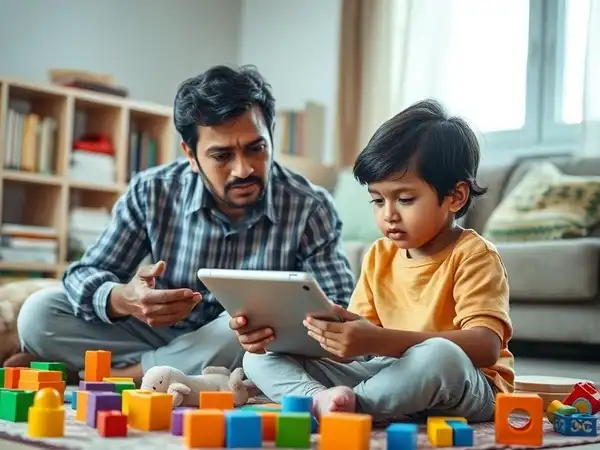
And suddenly, your child asks for your phone. Not once. Not calmly. But repeatedly. Now it’s not just about your child anymore. It feels like people are watching. Judging. Waiting to see how you respond. And in that moment, handing over the phone feels like the quickest way to restore peace.
How Predictable Routines Reduce Screen Dependency in Kids
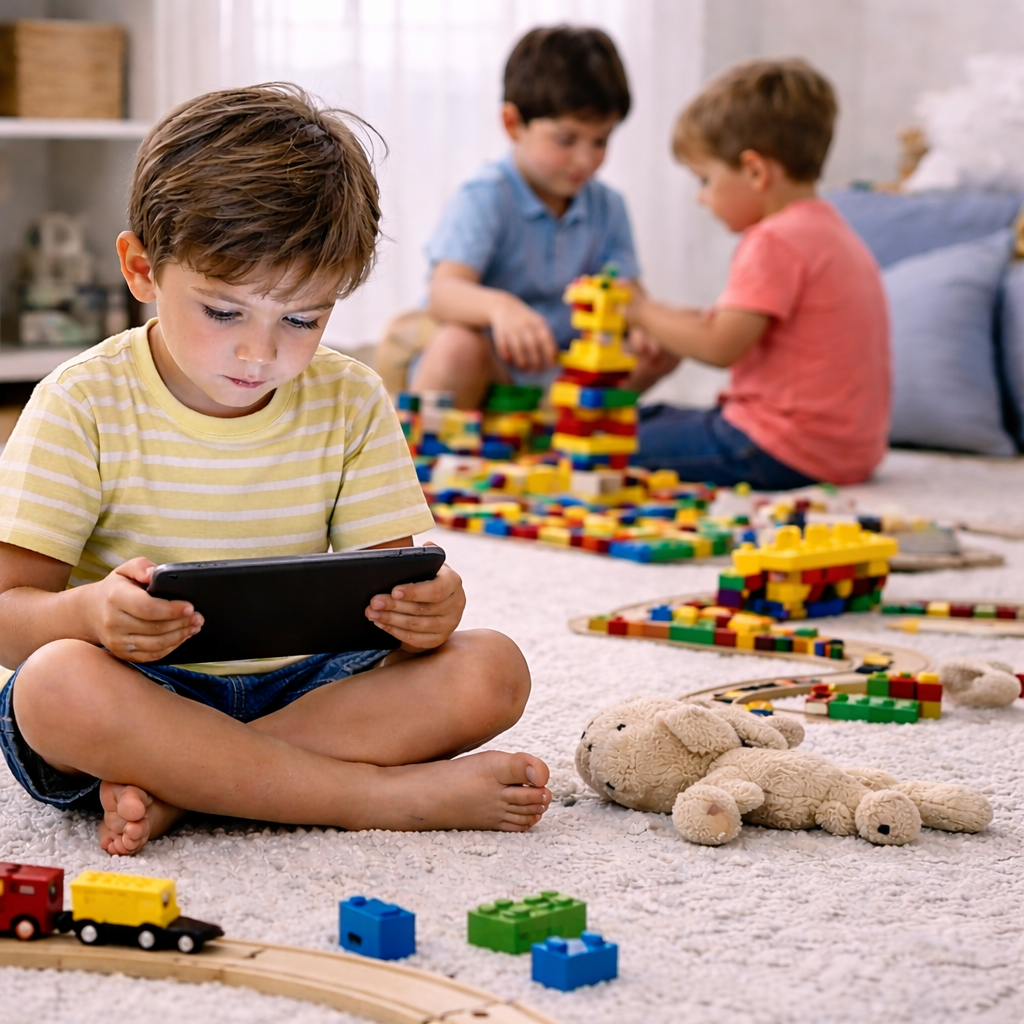
Screen dependency doesn’t usually grow because children love screens too much. It grows because screens become the most predictable part of their day. Think about it. Screens are always available. They always respond instantly. They don’t depend on mood, time, or other people
The magic formula for raising a reader
I love the concept of 10,000 steps a day to stay fit. It is simple,...

Peer Influence, Screens and Changing Behaviour
As children grow, friends and digital content begin to shape how they think and act. They may copy what they see or follow what others do. This can slowly change habits, language, and choices, making it important to notice how these influences affect their everyday behaviour.
Screens vs Imagination: What Happens at Age 4–6?
Between ages 4 and 6, children start using imagination to learn, create, and solve small problems. Too much screen use can limit this natural thinking, as ready-made visuals replace their own ideas. This stage is important for creativity, storytelling, and exploring the world in their own unique way.
Screen Time and Sleep: The Hidden Disruption
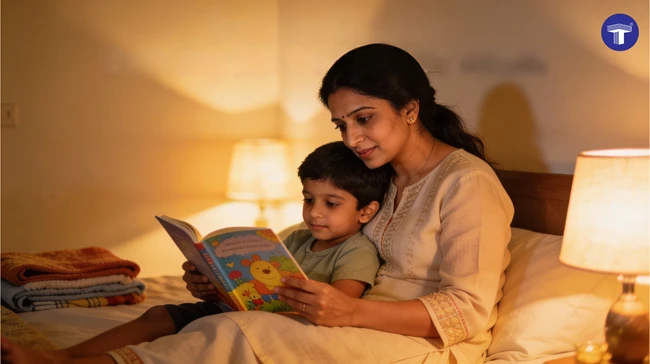
Many children struggle to rest properly when devices are used often. Bright light and constant stimulation can delay natural sleep cycles, making it harder to fall asleep or stay asleep. Over time, this can affect mood, energy levels, and overall well-being, even if the signs are not noticed immediately.
The Link Between Screen Time and Childhood Obesity
Higher screen use is associated with increased risk of weight gain in children due to reduced physical activity, frequent snacking, and exposure to unhealthy food advertising. Sedentary habits formed early can influence metabolism and lifestyle choices, making it important to encourage active play and healthier daily routines.
How Screens Affect a Child’s Developing Brain
Excessive screen exposure can impact a child’s developing brain by affecting attention span, emotional regulation, and social skills. It may also interfere with sleep and reduce real-world learning experiences. Balanced, mindful screen use is essential to support healthy cognitive, behavioral, and emotional development during early childhood.
From Screens to Substances: Why Addiction Is a Parenting Issue Before It Becomes a Drug Problem
Substances temporarily quiet the nervous system. They offer a break from pressure. Over time, the brain learns to rely on them, reducing its natural ability to regulate emotions. This is why addiction is not a moral issue. It is a nervous system issue.


Stay up to date with the latest news, announcements and articles
29 April 2026
29 April 2026

29 April 2026
29 April 2026

27 April 2026

30 April 2026

27 April 2026

27 April 2026

27 April 2026

16 April 2026
Follow us and stay connected on Instagram!

Online - We're here to help



 4 min read