 5 min read
 What to Eat When You Are Trying to Conceive
When you’re trying to conceive, food suddenly starts to feel more important than usual. You begin to notice what you’re eating more closely. You may start wondering if certain foods can increase your chances. You might even feel like you need to completely change your diet to “do everything right.”

When you’re trying to conceive, food suddenly starts to feel more important than usual.You begin to notice what you’re eating more closely. You may start wondering if certain foods can increase your chances. You might even feel like you need to completely change your diet to “do everything right.”But the truth is not that complicated. You don’t need a strict plan or expensive ingredients. You don’t need to follow extreme diets. What matters is giving your body consistent, balanced nutrition so it can function properly.Your body is preparing for a possible pregnancy, and the food you eat plays a supportive role in that process. Instead of focusing on perfection, it helps to understand what your body actually needs-and how simple foods can provide that.
Building Your Diet Around Balance
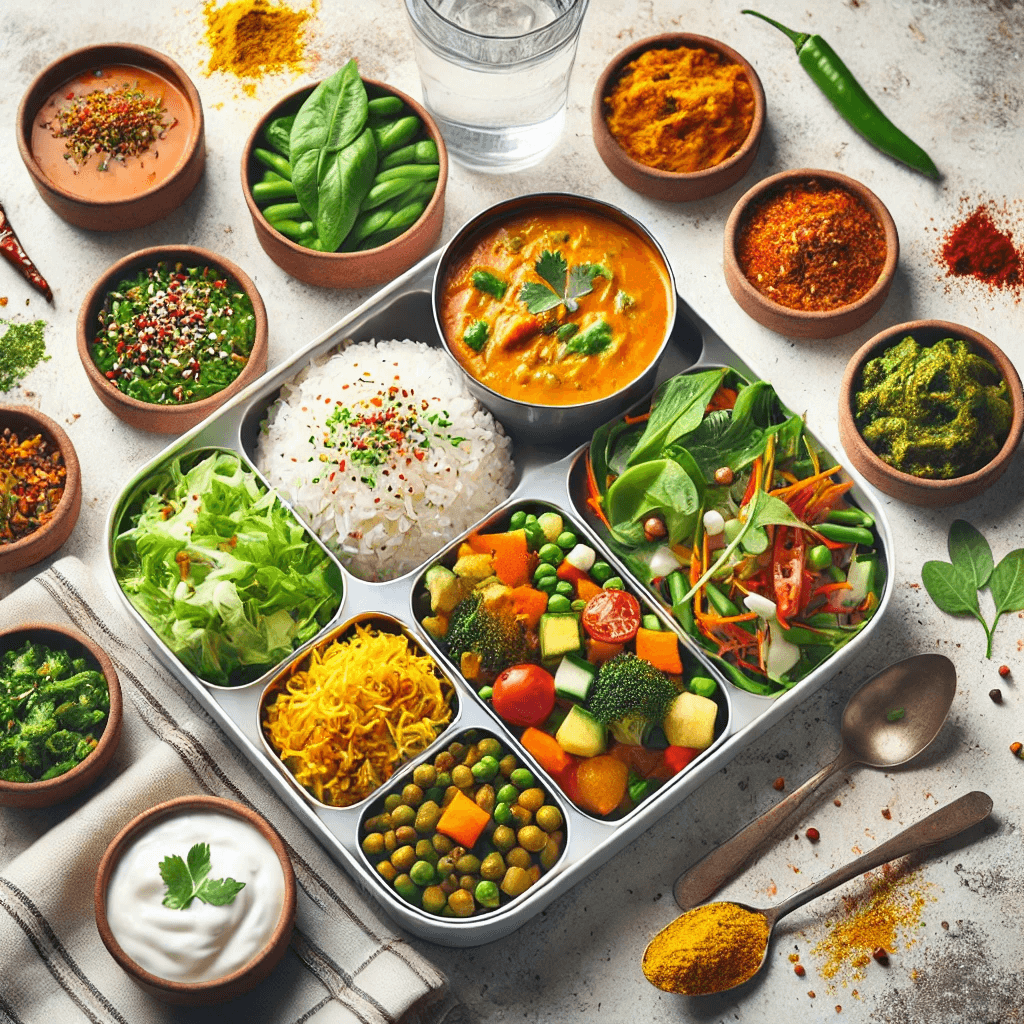
Before going into specific foods, one simple idea can make everything clearer. Your meals should not be based on one “special” food. They should be balanced.A balanced plate usually includes:
- Some form of carbohydrates (like roti, rice, oats)
- A source of protein (like dal, eggs, paneer, chicken)
- Vegetables
- A small amount of healthy fats
When your meals include all of these regularly, your body gets steady nourishment instead of sudden highs and lows. This balance is more important than adding any one “superfood.”
Foods That Support Hormonal Balance
Hormones play a central role when you are trying to conceive. Your menstrual cycle, ovulation, and overall reproductive health depend on them. Certain foods help your body maintain a more stable internal balance.You can include:
- Leafy vegetables like spinach, methi, and other greens
- Whole grains such as oats, brown rice, and whole wheat
- Nuts and seeds like almonds, walnuts, flaxseeds
These foods help avoid sudden spikes and drops in energy and support overall hormonal stability. Instead of focusing on one food, try to include a mix of these regularly.
Protein-Rich Foods for Strength and Repair
Protein is often ignored in everyday meals, but it is very important when you are trying to conceive.It helps in:
- Cell repair
- Tissue growth
- Overall strength
Simple protein sources you can include daily:
- Eggs
- Milk and curd
- Paneer
- Lentils (dal)
- Chickpeas, beans, and other legumes
- Chicken or fish (if you eat non-veg)
Even small amounts in each meal make a difference. For example, having dal with lunch or curd with your meal is enough to start building a habit.
Iron-Rich Foods for Better Blood Health
Iron plays an important role in maintaining energy levels and supporting your body before pregnancy. Low iron can lead to fatigue and may affect overall health.You can include:
- Spinach and green vegetables
- Beetroot
- Dates and jaggery (in moderate amounts)
- Lentils and legumes
One simple way to improve iron absorption is to pair these foods with Vitamin C.For example:
- Adding lemon to your food
- Eating fruits like oranges along with meals
These small combinations help your body use nutrients better.
Folic Acid Through Everyday Foods
Folic acid is one of the most important nutrients when you are trying to conceive. It supports the formation of healthy cells and becomes especially important in early pregnancy.You can get it naturally from:
- Leafy greens
- Citrus fruits like oranges and sweet lime
- Beans and lentils
- Avocados
While doctors often recommend supplements, including these foods in your daily diet gives your body a natural base.
Healthy Fats That Your Body Needs
Many people try to reduce fats completely, but not all fats are harmful.Healthy fats are important because they:
- Support hormone production
- Help absorb certain vitamins
- Provide steady energy
You can include:
- Almonds and walnuts
- Flaxseeds and chia seeds
- A small amount of ghee
- Cold-pressed oils in cooking
The key is moderation, not elimination.
Fruits for Natural Nutrition
Fruits are a simple and effective way to add vitamins and hydration. You don’t need imported or expensive fruits. Regular, seasonal fruits work well.You can include:
- Bananas
- Apples
- Oranges
- Pomegranates
- Papaya (in moderate amounts when trying to conceive)
Having one or two fruits daily is enough to support your body.
Supporting Ovulation Through Consistency
Many people look for specific foods that can “improve ovulation.” But the truth is, no single food can guarantee that.What helps more is:
- Eating regularly
- Avoiding long gaps between meals
- Maintaining a balanced diet
Your body responds better to consistency than sudden changes.
Hydration and Its Role
Water may seem simple, but it plays an important role in how your body functions.Proper hydration helps:
- Maintain blood flow
- Support hormonal activity
- Improve overall body balance
Try to:
- Drink water throughout the day
- Include natural fluids like coconut water or buttermilk
You don’t need anything complicated-just regular hydration.
What a Simple Day of Eating Can Look Like
Sometimes it helps to see how everything fits together.A simple, balanced day could look like this:
- Morning: Soaked almonds and walnuts, followed by a light breakfast like oats, poha, or upma
- Mid-morning: A fruit like apple or banana
- Lunch: Roti or rice with dal, sabzi, and curd
- Evening: Light snack such as roasted chana or a homemade option, with limited tea or coffee
- Dinner: Simple home-cooked meal with vegetables and protein
This is not a strict plan-just an example of balance.
Small Additions That Make a Difference
You don’t need big changes. Small additions can improve your diet over time.
You can:
- Add seeds to your meals
- Include one green vegetable daily
- Replace packaged snacks with simple homemade options
- Avoid skipping meals
These small steps are easier to maintain and more effective in the long run.
Foods to Be Mindful About
Along with what you eat, it helps to be aware of what you may need to reduce.Try to limit:
- Highly processed or packaged food
- Excess sugar
- Too much caffeine
- Frequent junk food
You don’t need to completely avoid everything, but reducing these helps your body stay balanced.
Avoiding Overcomplication
One of the biggest challenges today is information overload. There are many “fertility diets” and strict plans online. Some may suggest cutting out entire food groups or following very specific routines. This can make things confusing and stressful.But your body does not need extreme changes.It needs:
- Regular nourishment
- Simple, balanced meals
- Consistency over time
Trying to follow too many rules can create unnecessary pressure. Keeping your approach simple makes it easier to stay consistent.
Listening to Your Body
While general guidelines help, your body also gives signals.You may notice:
- What foods make you feel energetic
- What feels heavy or uncomfortable
- How your digestion responds
Paying attention to these signals can help you adjust your diet in a practical way. You don’t need to follow a rigid plan if something does not suit you.
Making It Sustainable
The most effective diet is one you can follow without stress.Instead of making sudden changes, focus on:
- Gradual improvement
- Regular meals
- Simple food choices
If your diet feels manageable, you are more likely to continue it. And consistency is what supports your body the most.
A Gentle Thought to End With
Food plays an important role in supporting your body, but it is not something you need to perfect. You don’t have to get every meal right. You don’t have to follow a strict plan every day. What matters is your overall pattern-simple, balanced, and consistent. If most of your meals are home-cooked, nourishing, and regular, you are already giving your body what it needs during this phase.

Parent With Purpose
Parent with Purpose is your trusted parenting resource, offering expert advice, practical tips, and real experiences from fellow parents. Our content is organized by your child’s age, from pregnancy to the teen years, ensuring guidance that’s relevant to your current stage. Learn through articles, videos, podcasts, and courses that fit your lifestyle. We also provide carefully curated book lists, meal plans, product recommendations, and India-focused resources to make parenting easier and more informed.