 5 min read
 How to Transition Kids Off Screens Without Tantrums: Simple Tricks That Actually Work
Many parents find themselves either giving in or turning the situation into a power struggle. But here’s something important to understand: Children don’t react this way because they are being difficult.

Why Ending Screen Time Feels So Hard
It’s not starting screen time that’s difficult.
It’s ending it.
Your child is calm, quiet, and fully absorbed. Everything feels easy… until you say those words:
“Time’s up.”
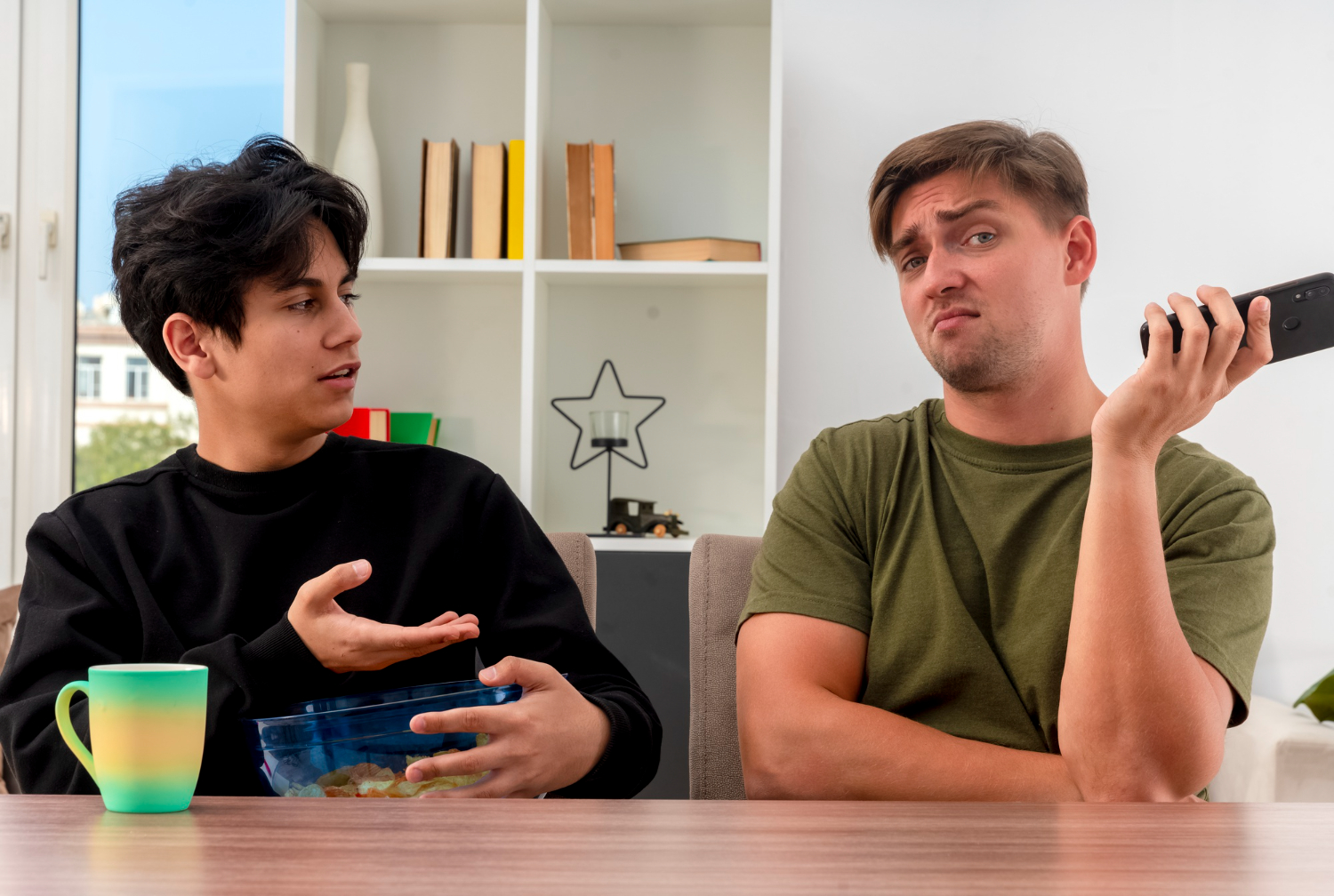
And suddenly, the mood changes. There’s whining, bargaining, ignoring—or sometimes full-blown crying. Many parents find themselves either giving in or turning the situation into a power struggle. But here’s something important to understand: Children don’t react this way because they are being difficult.
They react because transitioning away from screens is genuinely hard for their brain and emotions. So instead of forcing the switch, the goal is to guide the transition.
Why Screen Transitions Trigger Big Reactions
Screens are designed to hold attention. Fast-moving visuals, sounds, and constant rewards keep the brain engaged at a high level. When that suddenly stops, it doesn’t feel like a simple pause to a child—it feels like something exciting has been taken away instantly.
Imagine being pulled out of something you’re deeply enjoying without warning. That abrupt shift creates discomfort. Children don’t yet have the ability to regulate that discomfort smoothly. So what we see as “tantrums” is often just an unprepared brain struggling to switch states. That’s why transitions—not screen time itself—are where most conflicts begin.
The Real Secret: Don’t End It Suddenly
The biggest mistake parents make is treating screen time like a switch.
On.
Off.
But children need something in between. They need time to mentally prepare, emotionally adjust, and slowly detach from what they are watching. This is where transition tricks come in—not as rules, but as bridges.
Start Before the Ending: Preparing the Child Early
A smooth transition doesn’t begin when screen time ends. It begins before that. When a child knows what’s coming next, they feel more secure. Instead of a sudden interruption, it becomes a predictable sequence. You might gently let them know that screen time is coming to an end soon. Not as a warning, but as information. This removes the element of surprise. And when surprise disappears, resistance reduces.
The Role of Timing: Why “Right Now” Creates Resistance
Words like “now” or “immediately” often trigger pushback. Not because the child wants to disobey—but because they haven’t mentally shifted yet. Giving a little time between instruction and action allows the brain to adjust. It creates a transition instead of a break. And that small gap can make a big difference in how your child responds.
Using Gentle Signals Instead of Sudden Commands
Instead of ending screen time abruptly, you can use signals that guide the child toward closure. These signals are subtle, but powerful.
They tell the child:
“We are moving towards stopping,” not “Stop right now.”
It might be a change in your tone, your presence, or simply moving closer. Children pick up on these cues faster than we realize. And when the ending feels gradual, it feels less forced.
Why Emotional Readiness Matters More Than Rules
Most parents focus on setting limits. But children respond better when they are emotionally ready. If a child is deeply engaged and suddenly interrupted, their reaction is stronger. But if they are given time to detach, even slightly, their response softens.
So instead of asking, “Have I set the rule clearly?”
It helps to ask, “Is my child ready to transition?”
This shift changes everything.
Creating a Soft Landing After Screen Time
What happens after screen time matters just as much as how it ends. If a child goes from high stimulation to “nothing to do,” the discomfort increases. That empty gap often leads to frustration or demands for more screen time. But when there is a gentle follow-up activity or routine, the transition feels complete. It doesn’t need to be complicated. It just needs to feel like a continuation—not a sudden stop.
The Power of Connection During Transitions
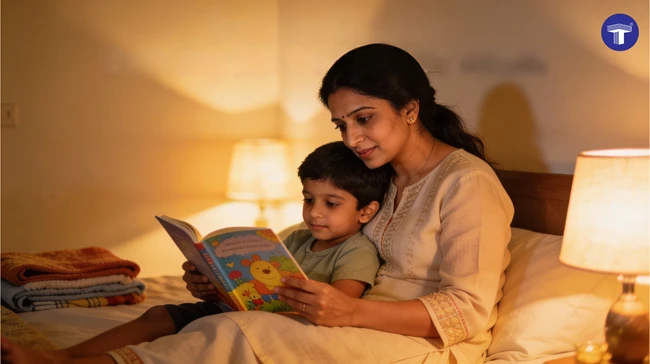
One of the most overlooked tools is simple presence. When a parent is physically and emotionally available during the transition, the child feels supported. Instead of feeling like something is being taken away, the child feels guided. Even small moments of connection—like sitting next to them or acknowledging what they were watching—can ease the shift. Because transitions are not just behavioural—they are emotional.
Avoid Turning Transitions Into Negotiations
Many transitions turn into long back-and-forth conversations.
“Just five more minutes.”
“After this one.”
“Please, please.”
This happens when the ending feels unclear or inconsistent. When children sense flexibility in the boundary, they naturally try to extend it. The key is not to argue or negotiate—but to stay calm and steady. Not rigid, but clear. And when clarity replaces negotiation, transitions become shorter and smoother.
What to Do When Resistance Still Happens
Even with the best approach, there will be days when your child resists. That doesn’t mean something is wrong. Transitions are a skill—and like any skill, they take time to develop. In those moments, the goal is not to eliminate emotion. It’s to prevent escalation.
Staying calm, present, and consistent helps the child move through the emotion faster. Because when we react strongly, the moment becomes bigger than it needs to be.
Why Consistency Makes Transitions Easier Over Time
Children learn patterns through repetition. When screen time always ends in a similar way, it becomes familiar. And familiarity reduces resistance. Over time, your child starts expecting the transition. Not because they were forced to accept it—but because it became part of their routine. This is when things begin to feel easier.
Shifting From Control to Guidance
The goal is not to control your child’s behaviour. It’s to guide them through a moment that feels difficult. When children feel guided instead of controlled, their response changes. They may still feel disappointed—but they are less likely to resist strongly. And that’s a big difference.
The Long-Term Benefit of Smooth Transitions
When children learn how to transition calmly, it impacts more than just screen time. They begin to handle changes better in other areas too.
Moving from play to meals.
From home to school.
From one activity to another.
Because they are learning something deeper:
How to shift from one state to another without feeling overwhelmed. And that’s a life skill.
Conclusion: Make the Ending Gentle, Not Abrupt
Reducing screen time without tantrums isn’t about strict rules or perfect timing. It’s about understanding that transitions are hard—and supporting your child through them. When you stop treating screen time like a switch and start treating it like a process, everything changes.
Less resistance.
Fewer conflicts.
More cooperation.
Not overnight—but steadily. Because sometimes, the difference between chaos and calm is not what you do… It’s how gently you guide the moment.

Parent With Purpose
Parent with Purpose is your trusted parenting resource, offering expert advice, practical tips, and real experiences from fellow parents. Our content is organized by your child’s age, from pregnancy to the teen years, ensuring guidance that’s relevant to your current stage. Learn through articles, videos, podcasts, and courses that fit your lifestyle. We also provide carefully curated book lists, meal plans, product recommendations, and India-focused resources to make parenting easier and more informed.