 5 min read
 7-Day Vegetarian Meal Plan for Busy Indian Families
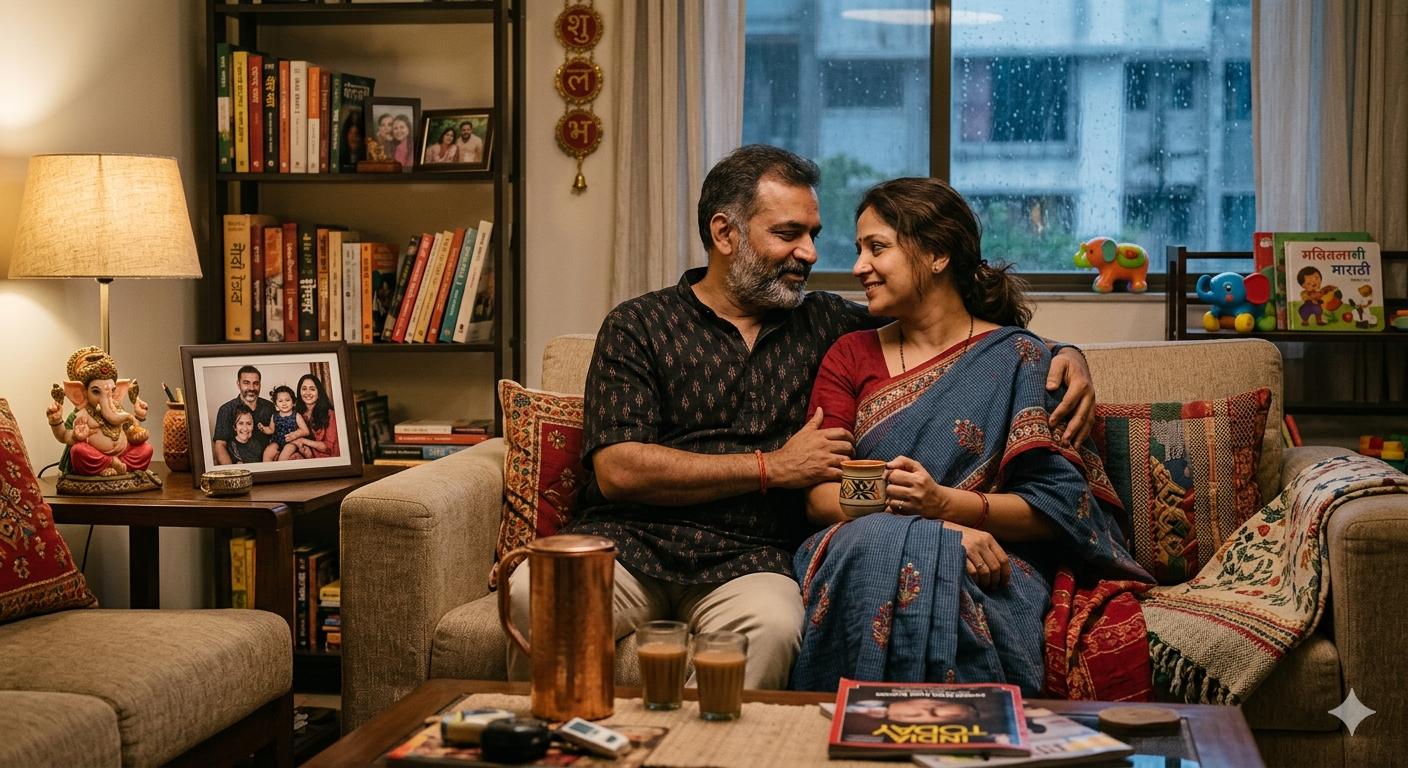
There is a quiet pressure that sits in most Indian homes, especially where both parents are working. It shows up early in the morning while packing tiffins, again in the afternoon when you wonder what’s left for dinner, and then finally at night when you are too tired to think but still expected to cook something fresh.

In the middle of all this, one thing becomes clear: it’s not cooking that feels difficult, it’s deciding what to cook every single day.
A well-thought-out vegetarian meal plan doesn’t just solve the food question. It simplifies your week, reduces stress, and brings a sense of rhythm to your home. And when done right, it doesn’t require fancy ingredients or complicated recipes. It works with what you already know and eat.
This is not a strict schedule or a perfect template. It is a realistic, Indian-family-friendly way to plan your week so that food becomes one less thing to worry about.
Why Vegetarian Meal Planning Works So Well for Indian Families
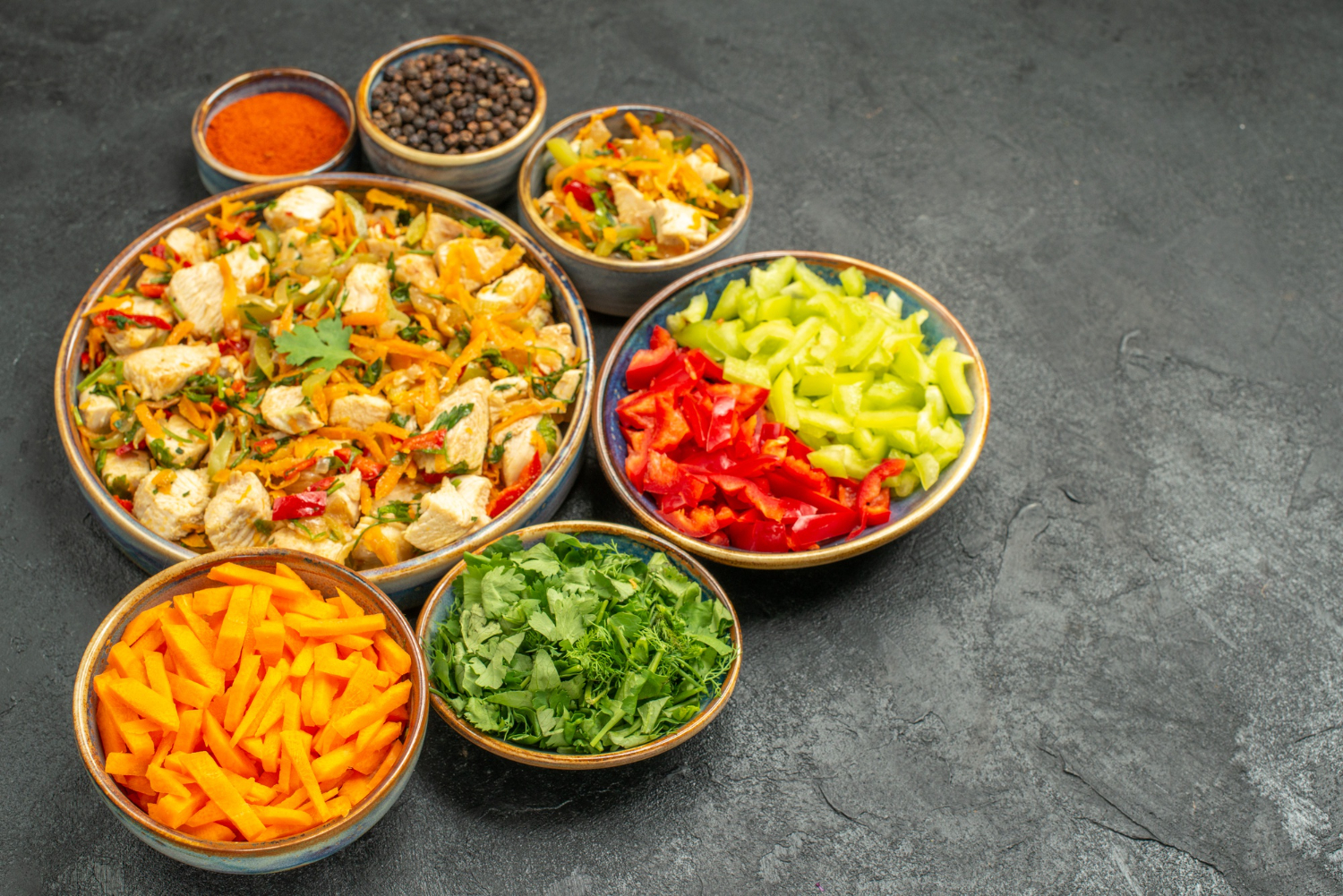
Vegetarian meals are already deeply rooted in Indian kitchens. Dal, sabzi, roti, rice, and simple one-pot dishes form the backbone of everyday food. The problem is not variety, but structure. Without a plan, even simple meals start to feel repetitive or rushed. With a plan, the same ingredients can create different meals across the week without increasing effort.
Another advantage is flexibility. Vegetarian cooking allows you to swap ingredients easily based on availability, season, or mood. You don’t need to depend on specific items to make a meal work. For busy families, this flexibility is what makes vegetarian meal planning sustainable.
A Different Way to Look at a Weekly Meal Plan
Instead of thinking in terms of “seven perfect days,” think of your week as a flow.
Some days are heavy and need quick meals. Some days allow slightly elaborate cooking. Some days are best handled with leftovers or comfort food.
The idea is not to cook something new every day, but to create a rhythm where meals support your energy levels. The plan below follows that logic. It is designed for working parents, school-going children, and real-life schedules.
The 7-Day Vegetarian Meal Plan
Day 1: A Simple and Stable Start
The first day of the week should feel manageable, not overwhelming. After a busy start, you need something dependable.
Breakfast can be something quick like vegetable poha or upma. These dishes are light, fast, and familiar. For lunch, a basic combination like roti, a dry sabzi such as aloo beans or cabbage, and a simple dal works well. It keeps the meal balanced without requiring too much preparation. Dinner should be even simpler. Dal, rice, and a quick stir-fried vegetable create a comforting end to the day.
This kind of start sets the tone for the week. No pressure, just stability.
Day 2: Adding Protein Without Extra Effort
By the second day, energy levels are usually still decent, so this is a good time to include a slightly richer meal.
Breakfast can shift to something like besan chilla or vegetable paratha with curd. It adds protein and keeps everyone full for longer. Lunch can include a paneer-based dish or a sprouted moong curry along with roti. These options are nutritious but still quick to prepare. Dinner doesn’t need to be heavy. A light khichdi with ghee and papad or a simple vegetable pulao can balance the day.
This day focuses on nutrition without increasing complexity.
Day 3: Midweek Comfort and Ease
By the middle of the week, fatigue begins to show. This is where your meal plan should support you, not challenge you.
Breakfast can be something effortless like toast with peanut butter or a fruit and nut bowl. Lunch can rely on leftovers or a very simple meal like curd rice or lemon rice if you prefer variety. Dinner should be comforting and easy to cook. Khichdi, kadhi-chawal, or even a one-pot vegetable pulao works perfectly here.
Midweek meals are not about variety. They are about recovery.
Day 4: Bringing Back Variety
After a lighter day, you can bring back a bit of variety without making things complicated.
Breakfast could be idli or dosa if batter is available, or even a quick sandwich. Lunch can include a slightly more interesting sabzi like bhindi, capsicum-paneer, or mixed vegetables with roti and dal. Dinner can be something like rajma-chawal or chole with a small salad. These meals are filling and satisfying, especially after a lighter previous day.
This day helps break monotony and keeps the week interesting.
Day 5: Quick and Efficient Cooking
By now, the week is catching up with you. This is the day where speed matters the most.
Breakfast should be quick and familiar. Something like oats with fruits or a simple vegetable sandwich works well. Lunch can be pre-planned to reuse ingredients. For example, if you made chole or rajma the previous night, you can use the same for lunch with roti. Dinner should be a fast meal. A simple dal, roti, and one vegetable or even a quick pulao can be prepared in under 30 minutes.
This day is about efficiency, not creativity.
Day 6: A Slightly Relaxed Approach
Weekends bring a little breathing space. Even if you are busy, there is usually more flexibility.
Breakfast can be something the family enjoys, like stuffed parathas with butter and curd or even a homemade dosa. Lunch can be a complete meal with dal, sabzi, roti, and rice. This is a good time to cook something everyone likes but you avoid during weekdays. Dinner can be lighter, such as a vegetable soup with bread or a simple pulao.
This day allows you to enjoy cooking a little more.
Day 7: Reset and Prepare
The last day of the week is less about meals and more about preparing for the next cycle.
Breakfast can be flexible. It could be something quick or even leftover-based. Lunch can be simple and light, such as curd rice, vegetable pulao, or dal-chawal. Dinner should be minimal effort. This is also a good time to use up any remaining vegetables or ingredients.
More importantly, this is when you prepare for the upcoming week. Washing vegetables, planning groceries, or prepping basic ingredients can make a huge difference.
Making This Plan Work in Real Life
A meal plan only works if it fits into your lifestyle. You don’t need to follow this structure exactly. You can adjust meals based on your family’s preferences, regional tastes, and time availability.
The goal is not to create variety every day, but to create ease. If one day doesn’t go as planned, nothing breaks. You simply adjust the next meal. That flexibility is what keeps the system running.
Balancing Nutrition Without Overthinking
A good vegetarian meal plan naturally covers most nutritional needs when you include a mix of:
- Lentils and legumes for protein
- Dairy like curd or paneer
- Seasonal vegetables
- Whole grains like roti or rice
You don’t need to calculate nutrients for every meal. Indian home food, when varied across the week, usually provides a balanced diet. If you want to improve nutrition, small additions like sprouts, nuts, or homemade ghee can make a noticeable difference.
Reducing Daily Stress Around Food
The biggest benefit of a weekly vegetarian meal plan is not health or savings. It is peace of mind. You no longer stand in the kitchen wondering what to cook. You already have a direction.
This reduces last-minute decisions, unnecessary ordering, and the constant mental load that comes with feeding a family. Over time, it also improves your kitchen efficiency. You start recognizing patterns, reusing ingredients, and simplifying your cooking process.
Where Your Own Style Fits In
Every kitchen has its own identity. Your spices, your way of cooking, your family’s taste preferences all play a role.
You can keep this plan simple or enhance it with your own flavors. Using familiar masalas, especially ones you trust, can make everyday meals feel richer without adding extra effort. That personal touch is what turns a basic meal into something your family looks forward to.
Final Thoughts
A 7-day vegetarian meal plan is not about discipline or perfection. It is about making your life easier. When you remove the daily question of what to cook, you create space for everything else that matters—your work, your family, and even your own rest.
Start small if needed. Plan just a few days and see how it feels. Once you experience the difference, meal planning stops feeling like a task and starts feeling like support

Parent With Purpose
Parent with Purpose is your trusted parenting resource, offering expert advice, practical tips, and real experiences from fellow parents. Our content is organized by your child’s age, from pregnancy to the teen years, ensuring guidance that’s relevant to your current stage. Learn through articles, videos, podcasts, and courses that fit your lifestyle. We also provide carefully curated book lists, meal plans, product recommendations, and India-focused resources to make parenting easier and more informed.