 4 min read
 How to Get Grandparents and Caregivers to Follow Screen Rules
You’ve decided your approach. You’re trying to reduce screen time. You’re being mindful. Intentional. And then… Your child goes to a grandparent’s house. Or spends time with a babysitter. Or even just sits with another parent or relative. And suddenly, everything changes.

When the Real Challenge Isn’t Your Child
You’ve decided your approach. You’re trying to reduce screen time. You’re being mindful. Intentional.
And then…
Your child goes to a grandparent’s house. Or spends time with a babysitter. Or even just sits with another parent or relative. And suddenly, everything changes.
Rules disappear. Screens come out quickly. Boundaries loosen.
And when your child comes back, you’re not just starting over—you’re undoing something. This is where many parents feel stuck. Because this time, the challenge isn’t your child. It’s the adults around them.
Why This Situation Feels So Difficult
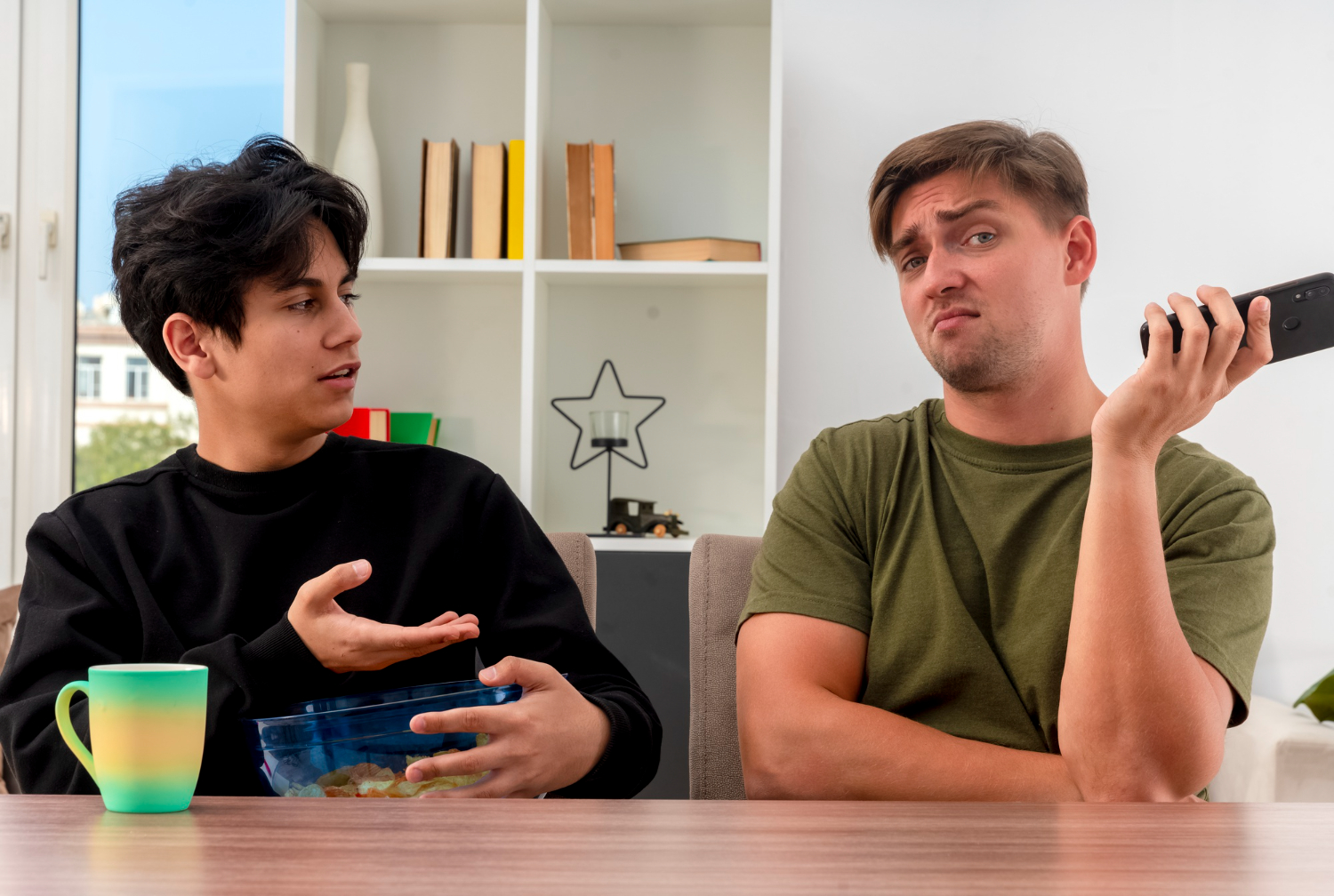
Telling a child “no” is one thing. Telling another adult how to handle your child is something else entirely.
It comes with layers:
Respect.
Relationships.
Emotions.
Unspoken expectations.
You don’t want to sound controlling. You don’t want to offend. You don’t want tension. So instead, many parents stay silent. Or say something lightly… and let it go. But internally, it builds frustration.
The Reality: Different Generations, Different Beliefs
Not everyone sees screen time the same way. For many grandparents, screens are harmless. For some caregivers, screens are a convenient way to keep children occupied. For partners, it may not feel like a priority issue. And none of them are necessarily wrong from their perspective. They are simply working from a different understanding. So when you try to enforce your approach without acknowledging this difference, it feels like a clash—not a conversation.
Why Direct Instructions Often Backfire
It’s tempting to say things like:
“Please don’t give them the phone.”
“We don’t allow screen time.”
Clear. Direct. Logical.
But here’s what often happens:
The other person hears it as criticism. Not of their action—but of their judgment. And once someone feels judged, they either resist or agree on the surface but don’t follow through. Because the issue is no longer about screen time. It becomes about autonomy.
The Shift: From Control to Collaboration
Instead of trying to enforce rules, the goal is to build alignment. And alignment doesn’t come from instructions. It comes from shared understanding. When someone feels included in the reasoning—not just told what to do—they are more likely to support it. Because now, they are part of the decision—not just following it.
Understanding What Caregivers Actually Need
Many caregivers don’t rely on screens because they prefer them. They rely on them because they don’t know what else works easily.
Especially in situations where:
- the child is restless
- attention is divided
- time needs to be managed
Screens feel like a quick solution. So instead of only focusing on what not to do, it helps to consider what support they actually need. Because when alternatives feel easier, behaviour naturally shifts.
Why Tone Matters More Than Content
You can say the same thing in two ways—and get completely different responses. A tone that feels firm but open creates space. A tone that feels rigid or corrective creates resistance. And this is subtle. It’s not just about words. It’s about how the conversation feels. Because adults, just like children, respond more to how something is said than what is said.
The Power of Choosing the Right Moment
Timing changes everything. Bringing up screen time in the middle of a disagreement rarely works. But bringing it up in a calm, neutral moment creates openness. When the conversation doesn’t feel like a reaction, it feels like a discussion. And discussions lead to better outcomes than corrections.
Why Consistency Matters Across Adults
Children are quick to notice differences.
They learn very fast:
Who allows what.
Where rules change.
When limits are flexible.
And once they notice that, they begin adjusting their behaviour accordingly. Not out of manipulation—but out of understanding patterns. So when adults are not aligned, the child experiences inconsistency. And inconsistency creates confusion.
Handling Pushback Without Escalation
There may be moments when caregivers don’t agree.
They may say:
“It’s just a little screen time.”
“We did this with our kids too.”
“It’s not a big deal.”
This is where many conversations turn into arguments. But disagreement doesn’t always need correction. Sometimes, it needs acknowledgment. Because when people feel heard, they become more open. And openness is what allows gradual alignment.
Working With Your Partner: A Different Kind of Challenge
When it comes to partners, the dynamic changes. This is not about authority—it’s about partnership. Differences in parenting approaches are common. And screen time often becomes one of those areas. The goal here is not to “convince” the other person. It’s to find common ground. Because when both parents are aligned, the child receives a clear and consistent message. And that reduces confusion instantly.
Creating a Shared Approach Without Conflict
Alignment doesn’t mean perfection. It means moving in the same direction. Even small agreements make a difference. Because once there is a shared intention, decisions become easier. Not because everything is controlled—but because there is mutual understanding.
What Happens When You Avoid the Conversation
Many parents avoid addressing this altogether. They adjust silently. They compensate later. They let it pass.
But over time, this creates tension. Not just with caregivers—but within yourself. Because your intention and your environment are not aligned. And that gap makes parenting feel harder than it needs to be.
What to Expect When You Start Addressing It
Change may not happen immediately. Caregivers may forget. Old habits may continue. Differences may remain. But when the conversation is approached calmly and consistently, things begin to shift.
Slowly.
Subtly.
And those small shifts matter.
Conclusion: It’s Not About Control—It’s About Clarity
Getting other caregivers on the same page is not about enforcing rules. It’s about creating understanding. When people feel respected, included, and clear about your intention, they are more likely to support it.
Not perfectly.
Not always.
But more than before.
And that makes a difference. Because parenting doesn’t happen in isolation. It happens in a network of people. And when that network starts moving in the same direction… Everything feels easier.

Parent With Purpose
Parent with Purpose is your trusted parenting resource, offering expert advice, practical tips, and real experiences from fellow parents. Our content is organized by your child’s age, from pregnancy to the teen years, ensuring guidance that’s relevant to your current stage. Learn through articles, videos, podcasts, and courses that fit your lifestyle. We also provide carefully curated book lists, meal plans, product recommendations, and India-focused resources to make parenting easier and more informed.