 4 min read
 How to Handle Screen Demands in Public Without Giving In (Restaurants, Travel & Social Situations)
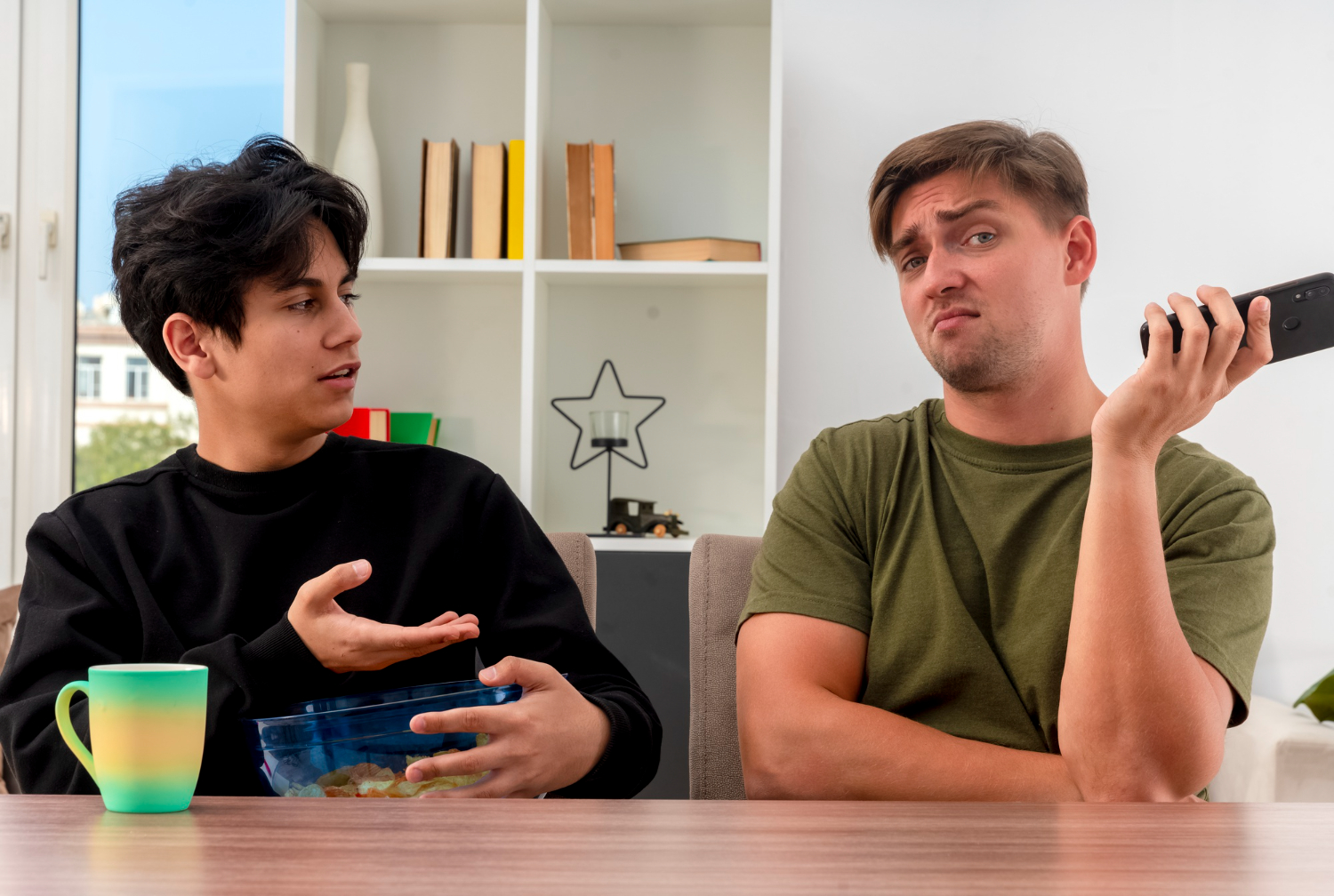
And suddenly, your child asks for your phone. Not once. Not calmly. But repeatedly. Now it’s not just about your child anymore. It feels like people are watching. Judging. Waiting to see how you respond. And in that moment, handing over the phone feels like the quickest way to restore peace.

When Parenting Feels Like a Public Performance
At home, it’s easier. You have your space. Your rhythm. Your boundaries feel natural. But step outside—and everything changes.
You’re in a restaurant.
On a long journey.
Talking to guests.
And suddenly, your child asks for your phone. Not once. Not calmly. But repeatedly. Now it’s not just about your child anymore. It feels like people are watching. Judging. Waiting to see how you respond. And in that moment, handing over the phone feels like the quickest way to restore peace.
Why Public Situations Change Everything
Children don’t behave differently in public without reason. The environment itself is different. It’s unfamiliar. It’s less predictable. It often feels slower or less engaging for them.
While adults are occupied—talking, waiting, traveling—children are left in a space where they don’t quite know what to do. And that uncertainty pushes them toward the one thing they know will instantly fix it. A screen.
The Parent’s Dilemma: Peace vs Principle
This is where the internal conflict begins. You know you don’t want to rely on screens.
But you also don’t want:
- a loud meltdown
- uncomfortable stares
- a disrupted outing
So the question becomes:
Do I hold my boundary… or do I manage the moment? And often, in public, the moment wins.
Why Kids Ask More Outside Than Inside
At home, children understand the environment. They know where things are. They know what to expect. They have some level of control.
Outside, that control disappears. They can’t explore freely. They can’t interrupt adult conversations easily. They can’t predict how long something will last.
So they look for something familiar. And screens become that familiar comfort.
The Key Shift: Think Preparation, Not Reaction
Most public screen struggles are handled reactively.
The child asks → parent responds → situation escalates or ends with a screen.
But what if the moment is prepared before it happens? Because public situations are rarely unexpected. You know when you’re going out. You know when travel is planned. You know when guests are coming. And that changes everything.
Rewriting the Restaurant Experience
Restaurants are one of the most common trigger points.
From a child’s perspective, it’s a place where:
- they have to sit still
- wait without knowing how long
- listen to adult conversations
That’s a lot to expect without support. Instead of treating it as a situation to “control,” it helps to treat it as a space to guide. When a child knows what their role is in that setting, they feel less restless. And when restlessness reduces, screen demands reduce.
Handling the “Give Me Your Phone” Moment Without Escalation
This moment is delicate. If you react quickly with a strict “no,” the situation can escalate. If you give in immediately, the pattern strengthens. So the goal is to stay steady—not reactive. A calm, clear response works better than a rushed or emotional one. Because in public, your child is not just reacting to the situation. They are reacting to your energy as well.
Travel: Where Screens Feel Like the Only Option
Travel brings a different kind of challenge. Time feels longer. Movement is restricted. Options are limited. This is where many parents feel they have no choice.
And to be fair—travel does require flexibility. But flexibility doesn’t have to mean full dependency. The key is to treat screens as one part of the journey—not the entire solution. Because when screens become the default, children stop engaging with anything else.
The “In-Between Moments” That Matter Most
Public screen demands often happen in waiting periods. Before food arrives. During conversations. While moving from one place to another. These are not long durations—but they feel long to a child. And these small gaps are where habits form. If every waiting moment is filled with a screen, the brain starts expecting it. But if even some of these moments are handled differently, the expectation shifts.
When Guests Are Around: The Invisible Pressure
This situation is less obvious—but equally important. When guests visit, parents are naturally distracted. And children notice that shift immediately.
They may feel:
- ignored
- unsure of what to do
- disconnected
So they turn to screens. Not just for entertainment—but for comfort. And if screens are given easily in these moments, it becomes a pattern tied to social situations.
The Role of Social Judgment (And Why It Affects Your Decisions)
One of the biggest reasons parents give in quickly is not the child. It’s the environment. The feeling that others are watching. The fear of being judged. The desire to avoid embarrassment. And this pressure is real.
But here’s the important part:
Children sense hesitation.
When your response feels unsure, they push harder. When your response feels steady, they settle faster.
Building a “Public Parenting Mindset”
Handling screen demands outside the home requires a slightly different mindset. Not stricter. Not softer. Just more intentional.
It means understanding that public situations are more demanding—for both you and your child. And instead of expecting perfect behaviour, you focus on steady guidance.
What Actually Works in Real Life
There is no single perfect response. Because every situation is different.
But what consistently makes a difference is this:
Your child feels prepared. You feel confident. The situation doesn’t catch you off guard. When these three things align, public screen demands become easier to manage. Not eliminated—but manageable.
What to Expect Over Time
If your child is used to getting screens in public, change won’t happen instantly. They will ask. They may resist. They may test your response. But when your approach stays consistent, something shifts. Public situations stop being automatic “screen moments.” They become just another part of the day.
Conclusion: It’s Not About Avoiding Screens Completely
Let’s be real—there will be times when screens are used in public. And that’s okay. The goal is not perfection. The goal is to avoid dependence. Because when every outing, journey, or social situation relies on a screen, children stop developing the ability to handle those moments differently. But when you begin to guide those situations with awareness, small changes start adding up.
And over time, what once felt like a stressful decision…Becomes a confident one.

Parent With Purpose
Parent with Purpose is your trusted parenting resource, offering expert advice, practical tips, and real experiences from fellow parents. Our content is organized by your child’s age, from pregnancy to the teen years, ensuring guidance that’s relevant to your current stage. Learn through articles, videos, podcasts, and courses that fit your lifestyle. We also provide carefully curated book lists, meal plans, product recommendations, and India-focused resources to make parenting easier and more informed.