Many children struggle to rest properly when devices are used often. Bright light and constant stimulation can delay natural sleep cycles, making it harder to fall asleep or stay asleep. Over time, this can affect mood, energy levels, and overall well-being, even if the signs are not noticed immediately.
Smital Dound 06 Apr 2026
4 posts
Screen Time and Sleep: The Hidden Disruption
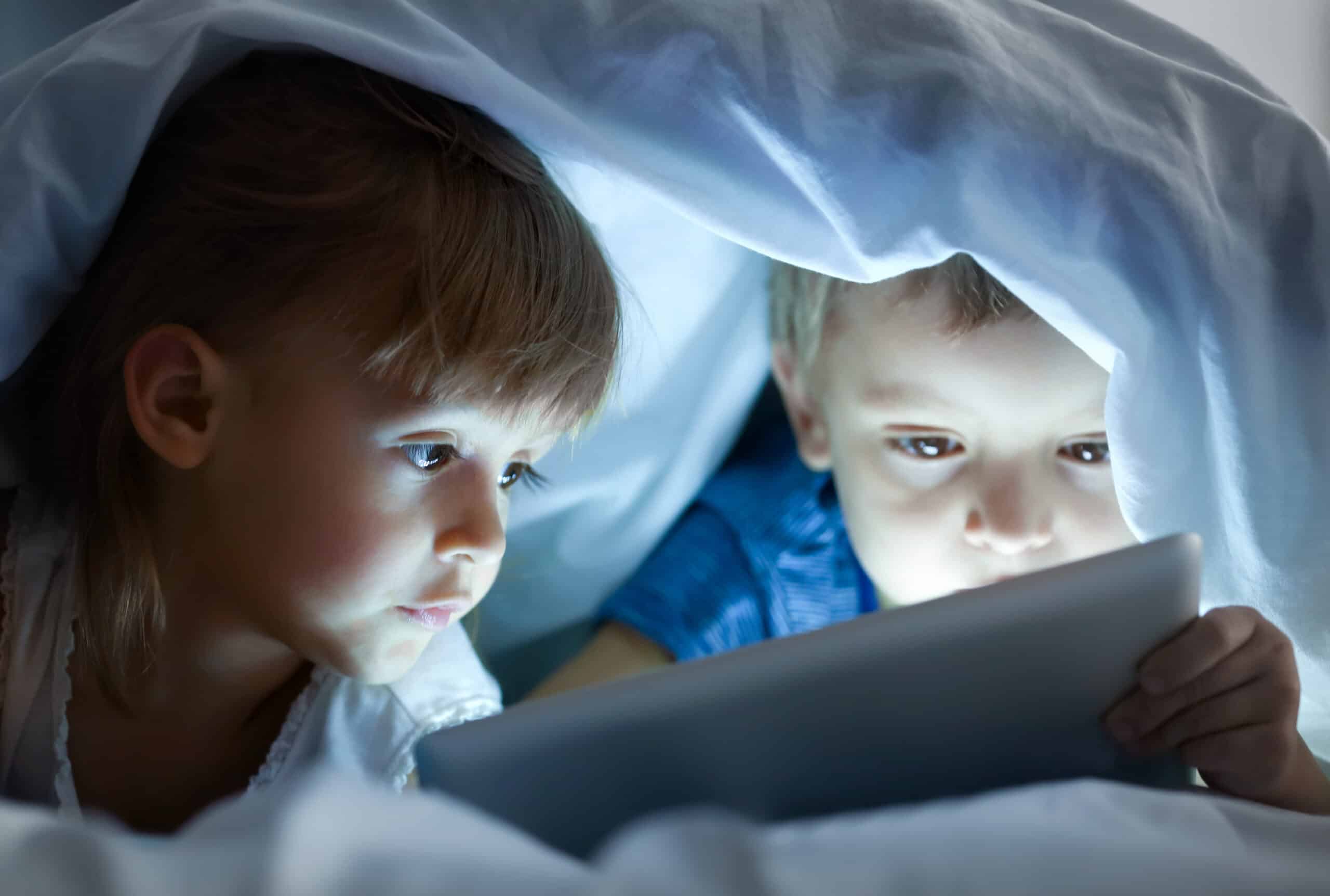
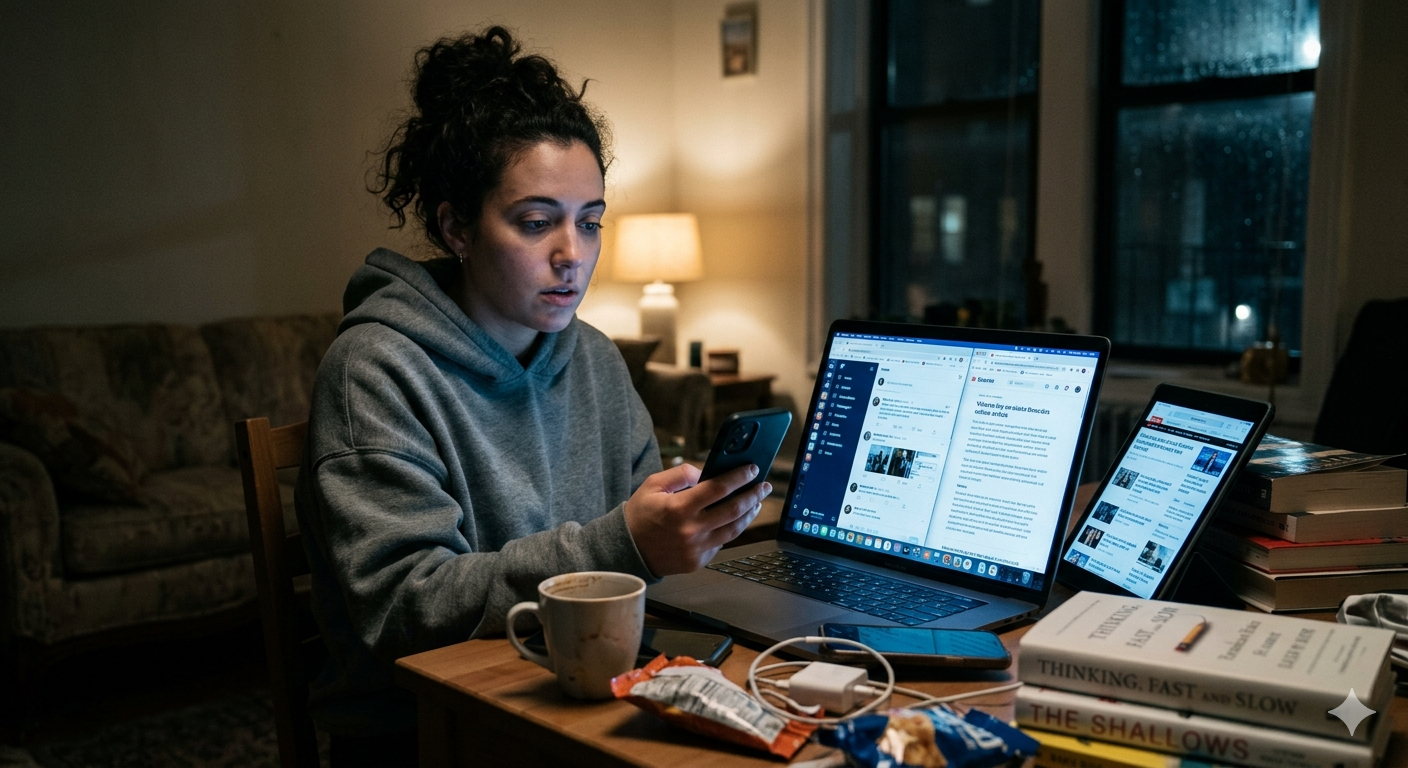
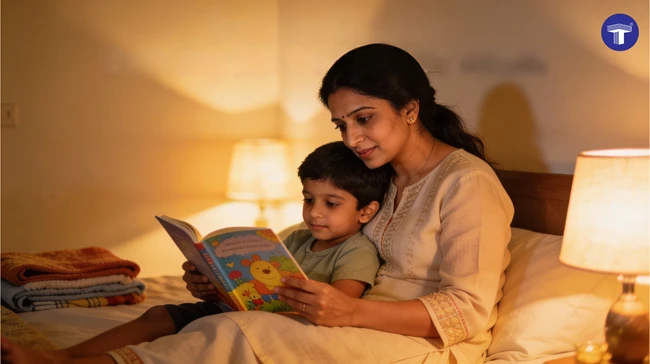
Many children struggle to rest properly when devices are used often. Bright light and constant stimulation can delay natural sleep cycles, making it harder to fall asleep or stay asleep. Over time, this can affect mood, energy levels, and overall well-being, even if the signs are not noticed immediately.
The Link Between Screen Time and Childhood Obesity
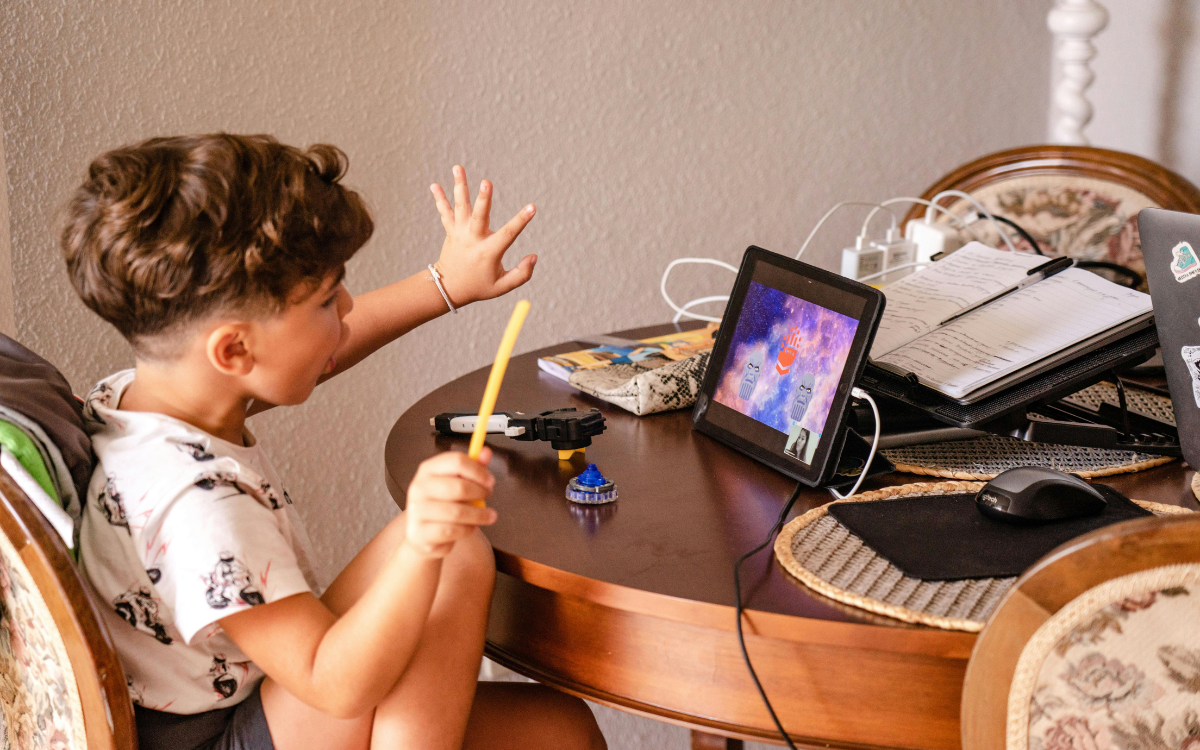
Higher screen use is associated with increased risk of weight gain in children due to reduced physical activity, frequent snacking, and exposure to unhealthy food advertising. Sedentary habits formed early can influence metabolism and lifestyle choices, making it important to encourage active play and healthier daily routines.
How Screens Affect a Child’s Developing Brain
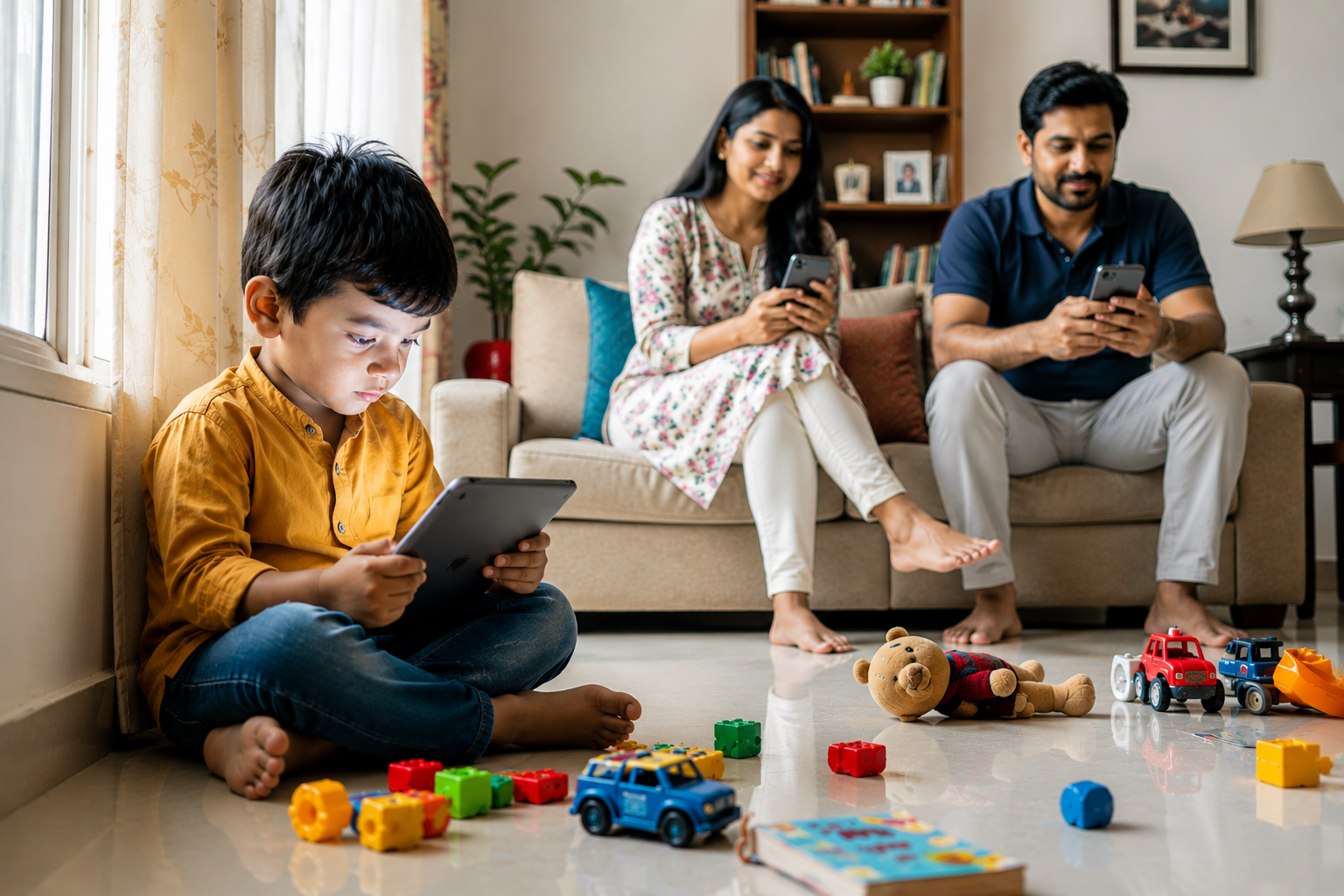
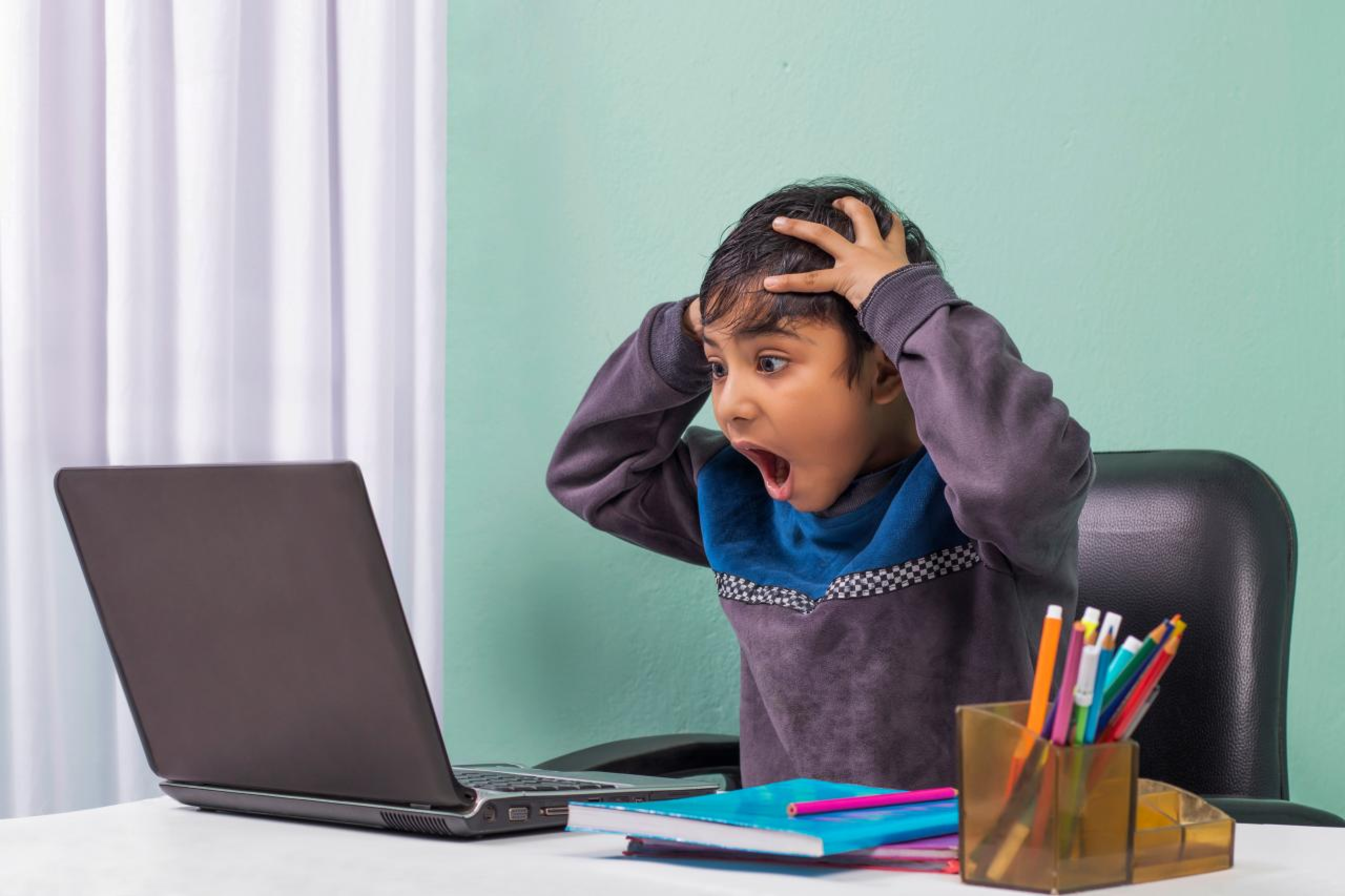
Excessive screen exposure can impact a child’s developing brain by affecting attention span, emotional regulation, and social skills. It may also interfere with sleep and reduce real-world learning experiences. Balanced, mindful screen use is essential to support healthy cognitive, behavioral, and emotional development during early childhood.
From Screens to Substances: Why Addiction Is a Parenting Issue Before It Becomes a Drug Problem
Substances temporarily quiet the nervous system. They offer a break from pressure. Over time, the brain learns to rely on them, reducing its natural ability to regulate emotions. This is why addiction is not a moral issue. It is a nervous system issue.
Stay up to date with the latest news, announcements and articles
Follow us and stay connected on Instagram!
Online - We're here to help