 5 min read
 Do Screens Reduce Empathy in Children?
A child falls while playing. One child immediately runs to help, asks if they’re okay, maybe even comforts them. Another child watches, unsure, distracted, or uninterested. What creates this difference? It’s not just personality. It’s not just parenting style. A big part of it lies in something deeper — how a child’s emotional world has been shaped over time

Empathy, the ability to understand and respond to another person’s feelings, is not something children are simply born with fully developed. It is built slowly, through repeated, real-life human experiences. And in today’s world, one of the biggest changes in those experiences is the increasing presence of screens.So the question arises -
Do screens reduce empathy in children?
Not directly. Not instantly.But when we look closely at how empathy develops, we begin to see how excessive or misplaced screen exposure can quietly influence it.
What Is Empathy, Really?
Empathy is more than just being “kind” or “nice.”It involves multiple abilities:
- Noticing someone else’s emotions
- Understanding what they might be feeling
- Responding appropriately
For a child, this means:
- Recognizing facial expressions
- Listening to tone of voice
- Interpreting body language
- Connecting emotions to situations
These are complex skills. And they develop over time through interaction. Empathy is not taught through instructions. It is absorbed through experience.
How Children Learn Empathy
In early childhood, empathy begins with simple interactions.
- A parent smiles, and the child smiles back
- A caregiver responds to a cry with comfort
- A sibling expresses sadness, and the child observes the response
These repeated moments help the brain build connections between:
- Expressions and emotions
- Actions and reactions
- Feelings and understanding
As children grow, these interactions become more complex:
- Sharing
- Taking turns
- Resolving conflicts
- Understanding different perspectives
All of this happens in real-time, human environments. And this is where screens begin to create a shift.
Screens vs Human Interaction
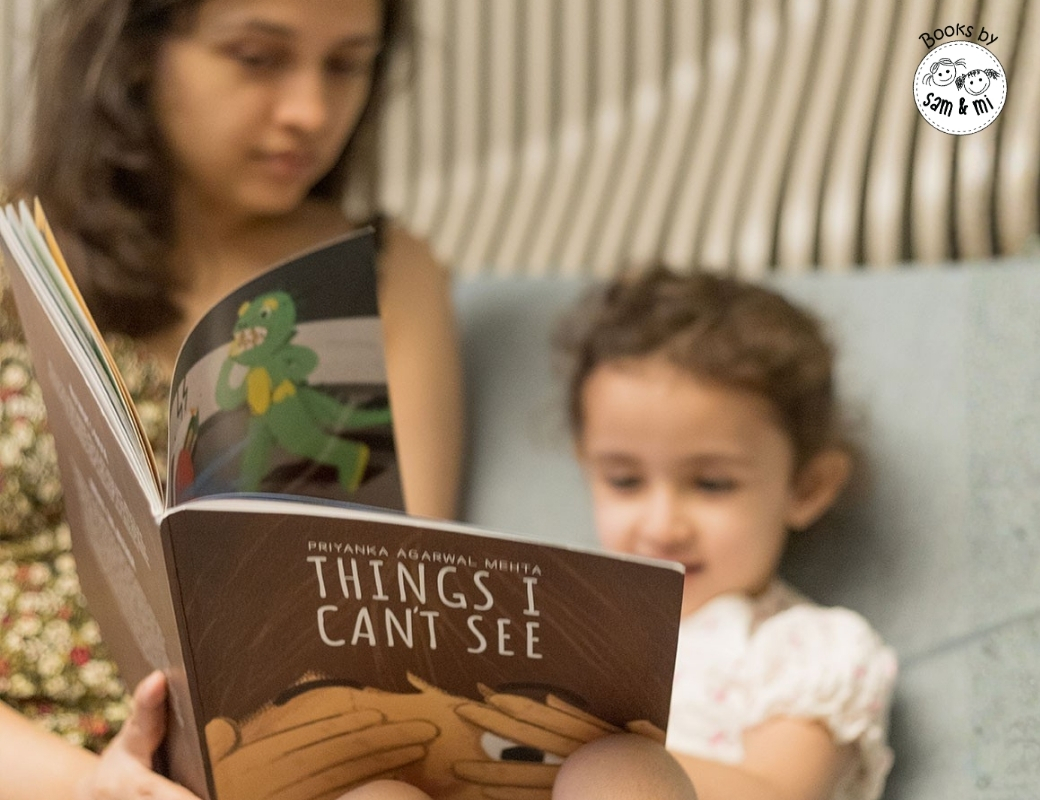
Screens can show emotions. Characters laugh, cry, express anger, or show affection. But there is a key difference between observing emotions on a screen and experiencing them in real life.
In real-life interaction:
- The child is part of the exchange
- There is a response and feedback
- Emotions are dynamic and unpredictable
In screen-based interaction:
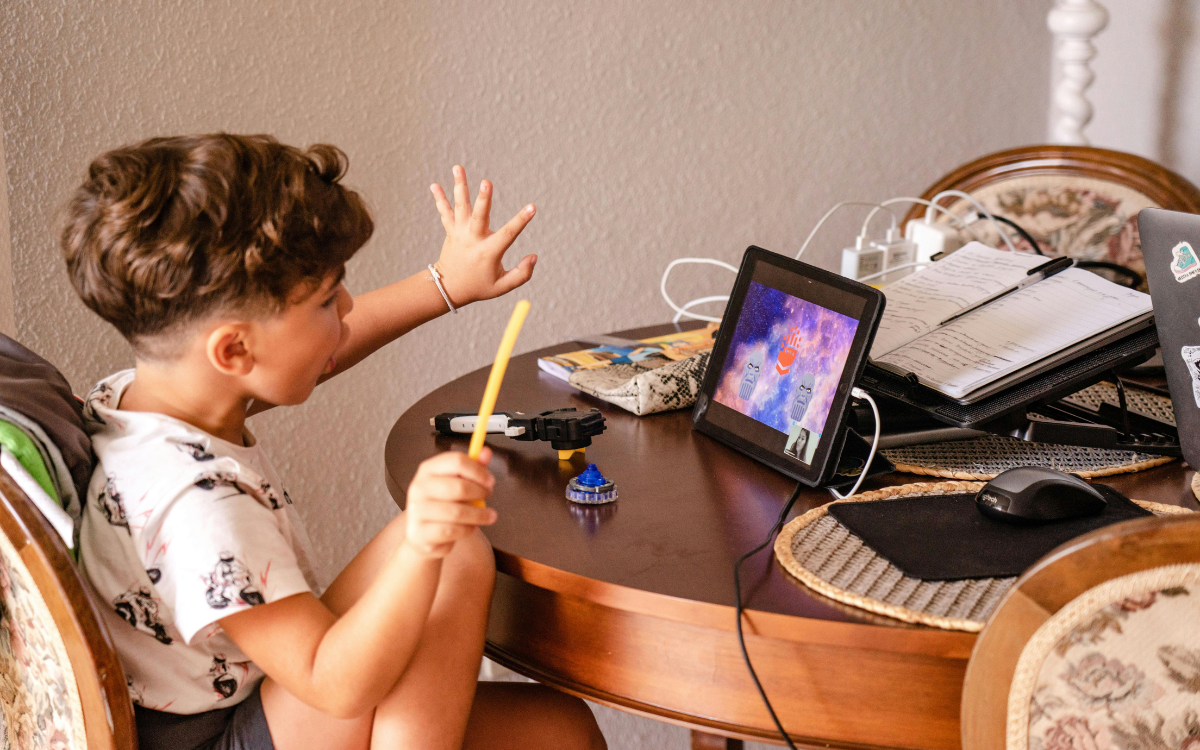
- The child is a viewer, not a participant
- There is no real response required
- Emotions are scripted and one-directional
This difference matters. Because empathy develops not just by seeing emotions, but by engaging with them.
The Missing Practice
Empathy, like any skill, requires practice.
Children need opportunities to:
- Respond when someone is upset
- Adjust their behavior based on others’ reactions
- Navigate social situations
These experiences strengthen the brain’s ability to understand others. When a significant portion of time is spent on screens, especially in early years, children may have fewer opportunities for these interactions. It’s not that screens “remove” empathy. But they can reduce the frequency of real-world emotional exchanges, which are essential for developing it.
Eye Contact and Emotional Connection
One of the most important elements of empathy is eye contact.
Through eye contact, children learn to:
- Read subtle emotional cues
- Build connection
- Understand attention and engagement
In face-to-face interaction, the brain processes:
- Facial expressions
- Micro-expressions
- Emotional shifts
Screens do not provide the same depth of interaction. Even when children watch expressive characters, they are not engaging in reciprocal eye contact. Over time, reduced face-to-face interaction can influence how comfortable and skilled children become in reading emotions.
Emotional Cues: Simplified vs Real
Content on screens often presents emotions in exaggerated or simplified ways.
- Happiness is shown as extreme excitement
- Sadness is clearly visible and obvious
- Conflict is resolved quickly
In real life, emotions are more subtle:
- Someone may be upset but not crying
- Frustration may show in tone rather than words
- Feelings can be mixed and complex
If children are mostly exposed to simplified emotional cues, they may find it harder to interpret real-life emotions, which are less clear and more nuanced.
The Role of Attention in Empathy
Empathy requires attention.
To understand how someone else feels, a child must:
- Notice their behavior
- Listen carefully
- Stay engaged in the interaction
When attention is frequently directed toward screens, especially fast-paced content, the brain becomes used to:
- Quick shifts in focus
- Short bursts of attention
- External stimulation
This can make it harder to sustain attention in social situations. And when attention is reduced, the ability to notice and respond to others’ emotions may also be affected.
Emotional Detachment and Distance
Another subtle factor is emotional distance.
On screens:
- Characters experience events, but the child is not directly involved
- Emotional situations are observed, not lived
This creates a level of detachment.
In contrast, real-life interactions involve:
- Personal involvement
- Immediate consequences
- Emotional feedback
Repeated exposure to distant, non-interactive emotional experiences can influence how children relate to emotions. They may become more comfortable observing than participating.
The Shift from Interaction to Consumption
Empathy grows through interaction.But screens often shift children toward consumption.
- Watching instead of responding
- Observing instead of engaging
- Receiving instead of participating
This shift is subtle but important. When children spend more time consuming content than interacting with people, the brain practices different skills. Over time, this can influence how naturally children engage in social and emotional situations.
Peer Relationships and Social Learning
A large part of empathy develops through peer interaction.
Children learn by:
- Playing together
- Resolving disagreements
- Sharing experiences
- Understanding different viewpoints
These situations are unpredictable and require real-time emotional responses. Screens cannot fully replicate this environment. Even interactive digital content lacks the complexity and unpredictability of human interaction. So when screen time replaces peer interaction, children may miss out on important social learning experiences.
Does Screen Content Matter?
Yes, but not in the way many assume. Even content that shows positive values, kindness, or emotional stories cannot fully replace real interaction. Watching empathy is not the same as practicing empathy. The brain develops differently when it is actively involved compared to when it is passively observing.
Is the Impact Immediate?
Not usually. The effects are often gradual.
Parents may not notice a sudden change. Instead, it may show up over time as:
- Reduced interest in social interaction
- Difficulty understanding others’ feelings
- Less responsiveness in emotional situations
These changes can be subtle and influenced by many factors, not just screens. But screen exposure can be one part of the larger picture.
A Balanced Perspective
Screens are a part of modern childhood.
They are used for:
- Entertainment
- Learning
- Communication
They are not inherently harmful in isolation.
The concern arises when screens:
- Replace human interaction
- Reduce opportunities for social engagement
- Become a primary source of experience
Because empathy develops best in environments where children are actively involved with others.
What Matters Most
The key factor is not just the presence of screens, but the balance of experiences.
A child’s emotional development is shaped by:
- Conversations
- Relationships
- Real-life interactions
- Observing and responding to people
Screens can be part of a child’s world. But they cannot replace the depth and complexity of human connection.
Closing Thought
Empathy is not something children are told to have. It is something they learn by being with others. Every shared moment, every interaction, every emotional exchange adds to how a child understands people and relationships. Screens may show emotions, stories, and characters.
But real empathy is built in real moments -in eye contact, in conversations, in shared experiences. So the question is not just whether screens reduce empathy. It is whether they are taking the place of the very experiences that help empathy grow.

Parent With Purpose
Parent with Purpose is your trusted parenting resource, offering expert advice, practical tips, and real experiences from fellow parents. Our content is organized by your child’s age, from pregnancy to the teen years, ensuring guidance that’s relevant to your current stage. Learn through articles, videos, podcasts, and courses that fit your lifestyle. We also provide carefully curated book lists, meal plans, product recommendations, and India-focused resources to make parenting easier and more informed.