 5 min read
 Attention Span in Toddlers: How Screens Change It
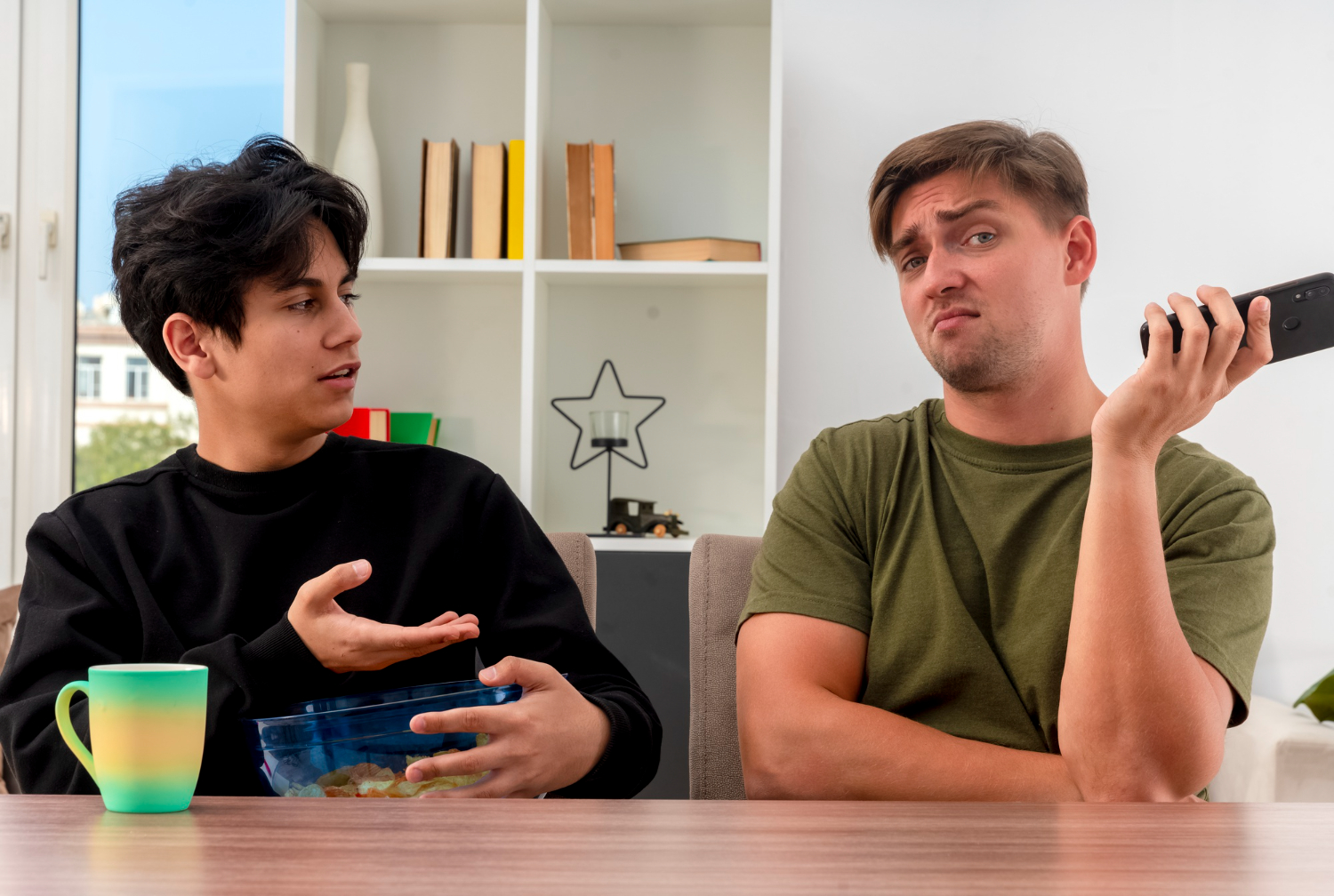
There’s a moment most parents recognize. You hand your toddler a toy, and within seconds, they lose interest. They move on. Then another toy. Then something else. Nothing seems to hold their attention for long.

There’s a moment most parents recognize. You hand your toddler a toy, and within seconds, they lose interest. They move on. Then another toy. Then something else. Nothing seems to hold their attention for long.But give them a screen-and suddenly, they’re still. Focused. Completely absorbed. It almost feels like screens are improving attention. But here’s the truth: they’re not building attention… they’re capturing it. And there’s a big difference.In the toddler years, attention span is not something children are born with-it is something they develop. And the way screens interact with a toddler’s brain can quietly reshape how this development unfolds.
What Attention Span Really Means in Toddlers
Before we blame screens entirely, it’s important to understand something simple:Toddlers are naturally distractible. A 2–4-year-old is not supposed to sit still and focus for long periods. Their brain is wired for curiosity, exploration, and constant discovery.
A “normal” toddler attention span looks like:
- Jumping between activities
- Exploring multiple things quickly
- Getting distracted easily
- Coming back to the same activity again
This is not a problem. This is development in action. Attention, at this stage, grows slowly through real-world experiences-through play, interaction, and repetition.
Screens vs Real Life: Two Very Different Experiences
Now let’s compare what a toddler experiences in real life versus on a screen. In real life, things move at a natural pace. A toy doesn’t light up every second. A story takes time. A parent pauses, waits, responds.On a screen, everything is designed to hold attention instantly.
- Bright colors grab the eyes
- Fast scene changes prevent boredom
- Sounds and music keep stimulation high
- There is no waiting, no effort required
This creates a very different kind of attention. Not deep attention, but stimulated attention. The brain gets used to constant input. And when that level of stimulation is removed, normal activities can start to feel… slow, even boring.
The “Fast Brain vs Slow World” Effect
One of the biggest impacts of screens is what we can call the “fast brain vs slow world” effect. Screens train the brain to expect quick rewards and constant changes. Real life doesn’t work like that.Building blocks don’t flash. Conversations don’t jump scenes every few seconds. Drawing takes time. Listening requires patience. So when a toddler spends a lot of time with fast-paced screen content, their brain adapts to that speed.
And then:
- They lose interest in slower activities
- They struggle to stay engaged in play
- They seek constant stimulation
It’s not that their attention span is “gone.” It’s that it has been trained differently.
Why Screen Attention Looks Like Focus (But Isn’t)
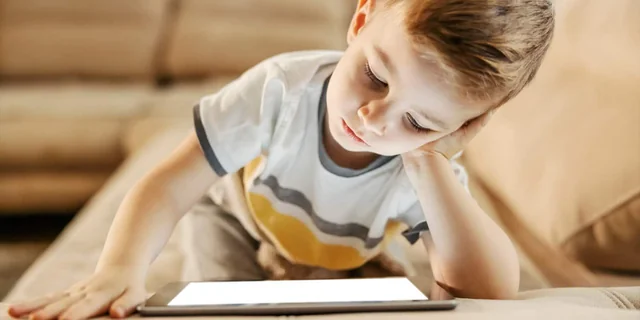
This is where many parents get confused. A toddler sitting quietly and watching a screen looks focused. But this is not the same as real attention.Real attention involves:
- Thinking
- Processing
- Responding
- Engaging actively
Screen attention is mostly passive. The content is doing all the work. The toddler is receiving it, not creating or interacting with it. It’s similar to being hypnotized by something visually engaging-it holds your eyes, but doesn’t necessarily build your ability to focus elsewhere. So while it may look like improved attention, it doesn’t translate into real-world skills.
How Screens Can Shape Attention Over Time
When screen time becomes frequent and prolonged, certain patterns can start to appear. Not overnight. Not suddenly. But gradually.You might notice things like:
- Shorter interest in toys or books
- Difficulty sitting through a story
- Increased restlessness during quiet activities
- Constant need for new stimulation
- Frustration when things move slowly
These are not “bad behavior.” They are signs of how the brain is adapting. The more the brain gets used to fast-paced input, the harder it becomes to engage with slower environments.
The Role of Boredom (Yes, It’s Important)
Here’s something interesting-boredom is actually essential for attention development. When a toddler feels bored, their brain starts searching for something to do. This is where creativity begins.They pick up a toy. They explore. They imagine. They try new things.But screens remove boredom instantly. The moment a child feels restless, a screen provides immediate stimulation. And over time, the child may stop learning how to deal with boredom on their own. Without boredom, there’s less need to create, explore, or sustain attention.
Real Play Builds Real Attention
If screens reshape attention, then what builds it? The answer is simple: real play.Not structured learning. Not fancy toys. Just everyday play and interaction.
Activities that naturally build attention include:
- Playing with blocks or stacking toys
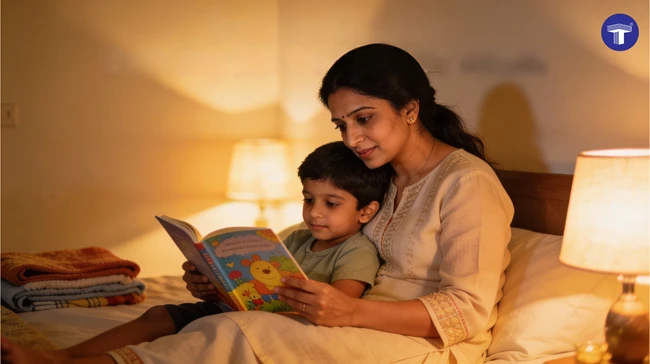
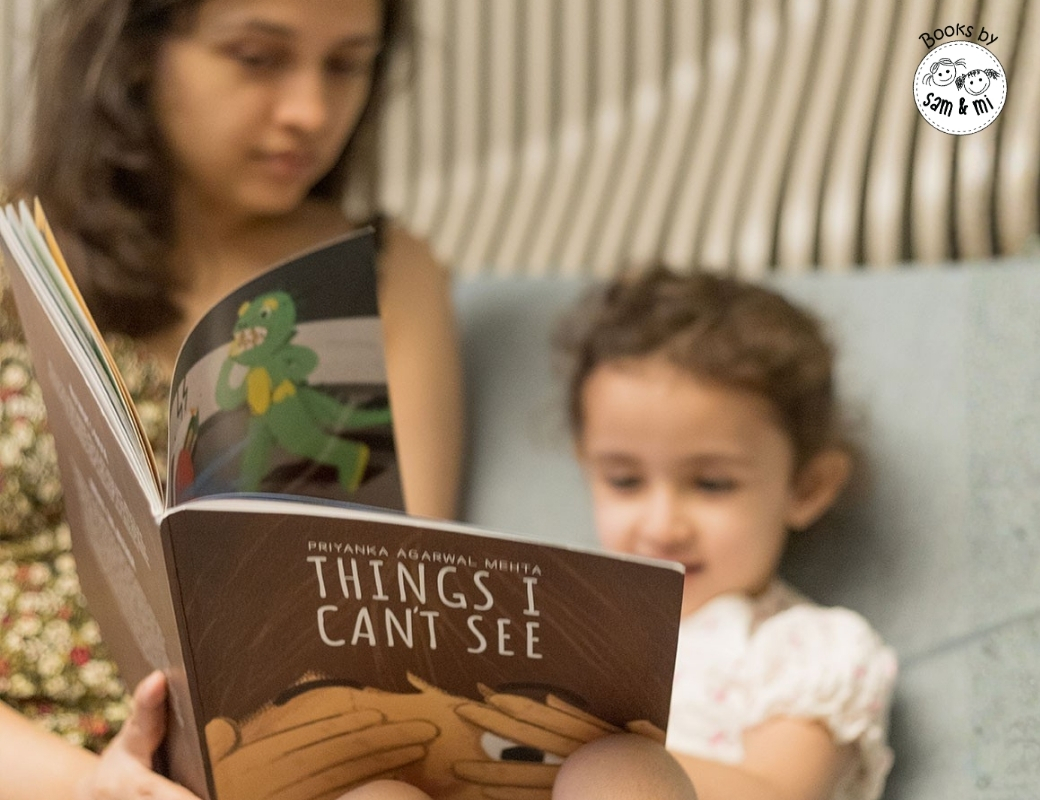
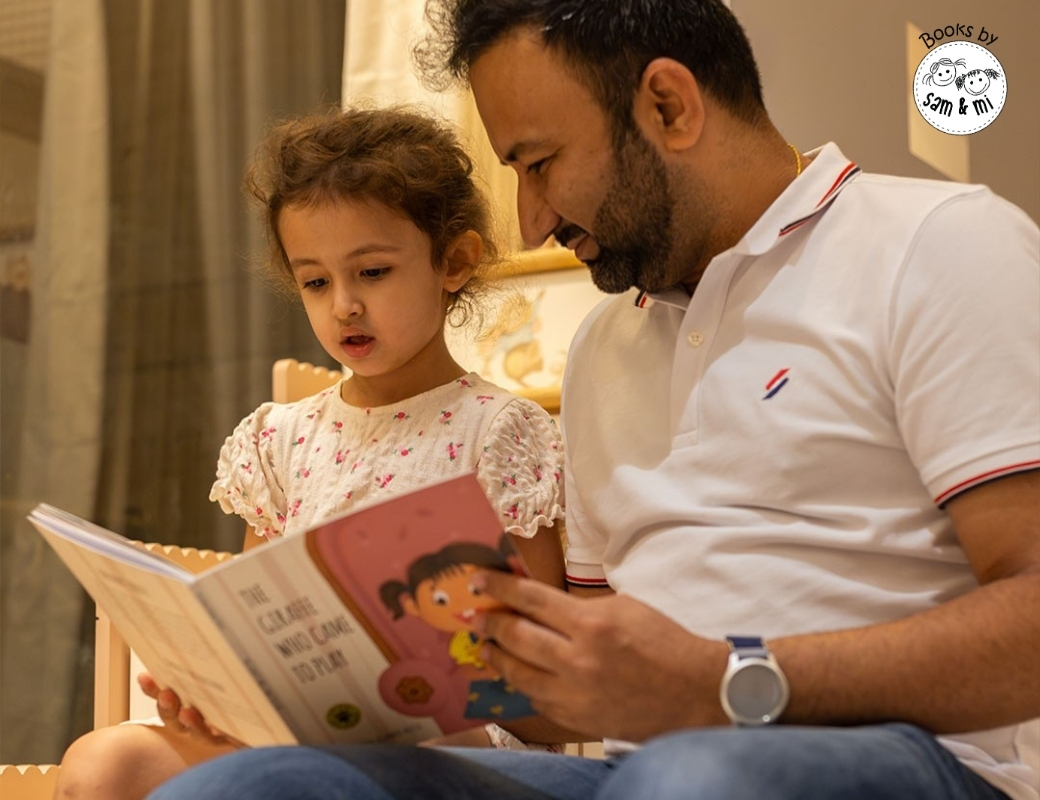
- Looking at picture books with a caregiver
- Pretend play (even simple imitation)
- Outdoor exploration
- Listening to stories
These activities may seem slow, but that’s exactly why they work. They require the child to stay engaged without constant stimulation. They build patience, focus, and persistence. And most importantly, they allow the child to be active, not passive.
The Emotional Side of Attention
Attention is not just about focus-it’s also connected to emotions.A toddler who is constantly overstimulated may become:
- Easily irritated
- Less patient
- More dependent on external stimulation
- Less able to self-soothe
On the other hand, when children engage in real interactions, they learn emotional regulation. They learn to wait. To respond. To calm themselves. Screens don’t teach these skills. They distract from emotions, rather than helping children understand them.
Finding Balance: It’s Not About Eliminating Screens
Let’s be realistic-screens are part of modern life. This is not about completely removing them. It’s about understanding their role. Occasional, limited screen time is unlikely to harm attention development. The issue arises when screens become the primary source of engagement. What makes a difference is balance.
- More real play than screen time
- More interaction than passive watching
- More slow experiences than fast stimulation
Even small adjustments can shift how attention develops.
Small Changes That Support Attention
You don’t need a complete lifestyle change to support your toddler’s attention span. Simple shifts can go a long way. Try creating moments where your child engages without screens. Let them get a little bored. Sit with them during play. Talk, respond, observe.
You can also:
- Keep screen time limited and intentional
- Avoid screens during meals and before sleep
- Choose slower, calmer content when possible
- Prioritize face-to-face interaction daily
These are not strict rules-just supportive habits.
A Reality Check for Parents
If you’re reading this and thinking, “My child already watches screens,” take a breath. You haven’t done anything wrong. Parenting today is different. Screens are everywhere, and sometimes they are necessary. What matters is awareness going forward. Attention span is not fixed. It can grow. It can adapt. And toddlers are incredibly resilient. With more real-world interaction and a bit less reliance on screens, their attention can strengthen naturally over time.
Final Thoughts: What Kind of Attention Are We Building?
At the end of the day, the question isn’t whether screens hold attention. They do.The real question is: What kind of attention are they building? Is it the kind that can sit through a story, solve a problem, and engage deeply with the world? Or is it the kind that constantly seeks stimulation, struggles with stillness, and loses interest quickly? The toddler years are where this foundation is being built. And the most powerful tools are not apps or videos.They are simple, human experiences.
- A parent reading a book.
- A child stacking blocks.
- A conversation filled with pauses and responses.
These moments may seem small, but they are shaping how a child learns to focus, think, and engage with the world. So the next time your toddler seems bored or restless, resist the urge to fill that moment instantly. Give them space. Because in that space, attention begins to grow.

Parent With Purpose
Parent with Purpose is your trusted parenting resource, offering expert advice, practical tips, and real experiences from fellow parents. Our content is organized by your child’s age, from pregnancy to the teen years, ensuring guidance that’s relevant to your current stage. Learn through articles, videos, podcasts, and courses that fit your lifestyle. We also provide carefully curated book lists, meal plans, product recommendations, and India-focused resources to make parenting easier and more informed.