Ruchira Darda
38 Posts
Ruchira Darda is a certified parenting coach (ACC), NLP Practitioner, author, and the founder of parentwithpurpose.in. She works with families across India through her initiatives WOW, MahaMarathon, and The Yellow Door.
38 Posts
Ruchira Darda is a certified parenting coach (ACC), NLP Practitioner, author, and the founder of parentwithpurpose.in. She works with families across India through her initiatives WOW, MahaMarathon, and The Yellow Door.
If Pornography Becomes Your Son’s First Teacher About Sex
There was a time when parents worried about having "the talk" too early. Today, I...
AI Can Give Children Answers. Can It Teach Them to Think?
How many hours are they spending on their devices? Should they watch YouTube? Are they gaming too much? Is social media affecting their mental health?
The Biggest Parenting Mistake in the AI Era Isn’t Too Much Screen Time
For years, as parents, our biggest worry was screen time. How many hours are they watching? What are they scrolling? Are they playing too many games? Are they wasting time on YouTube? And while all of that still matters,
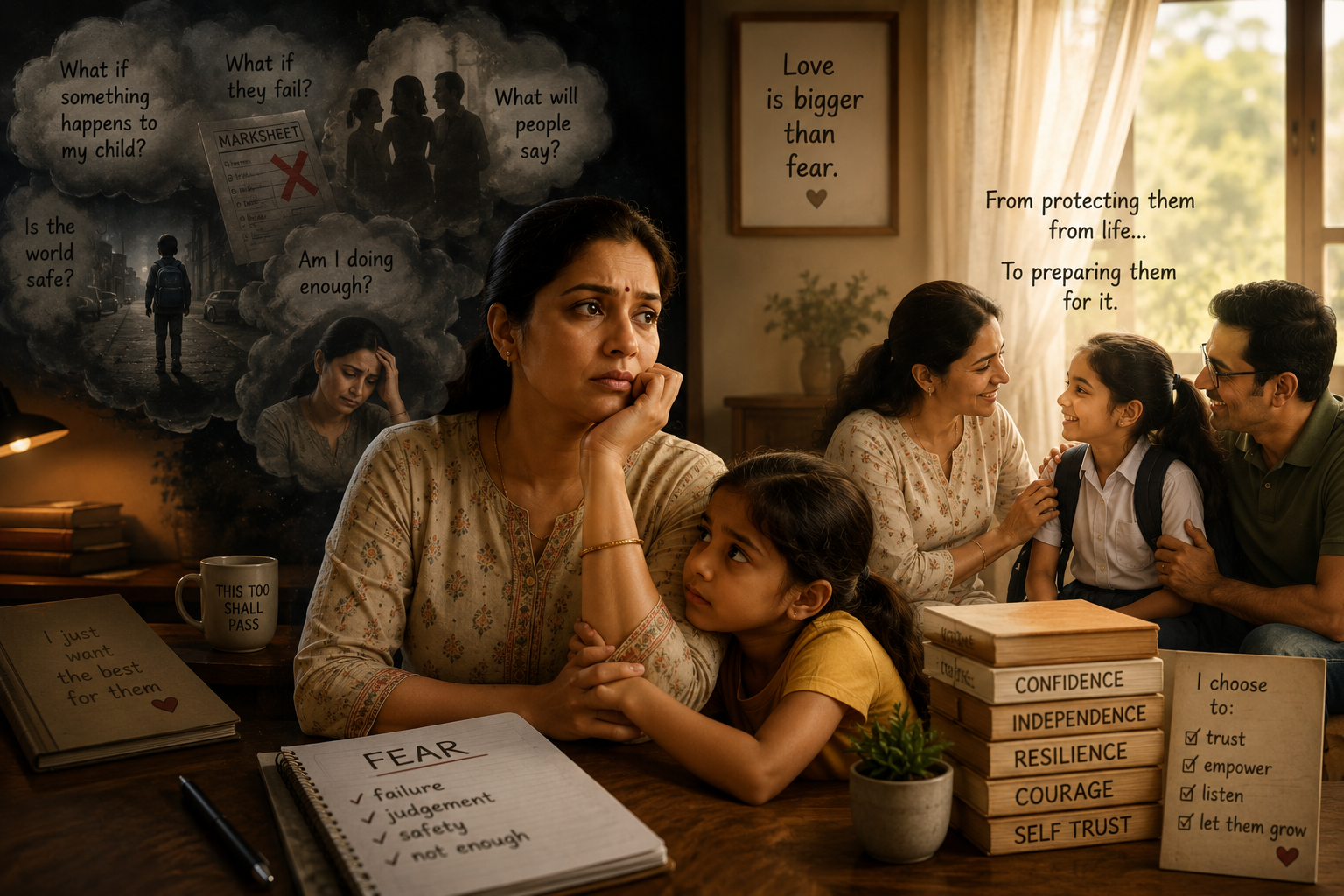
The Fear Underneath Your Parenting
What Indian parents are most afraid of - and how fear quietly runs the show
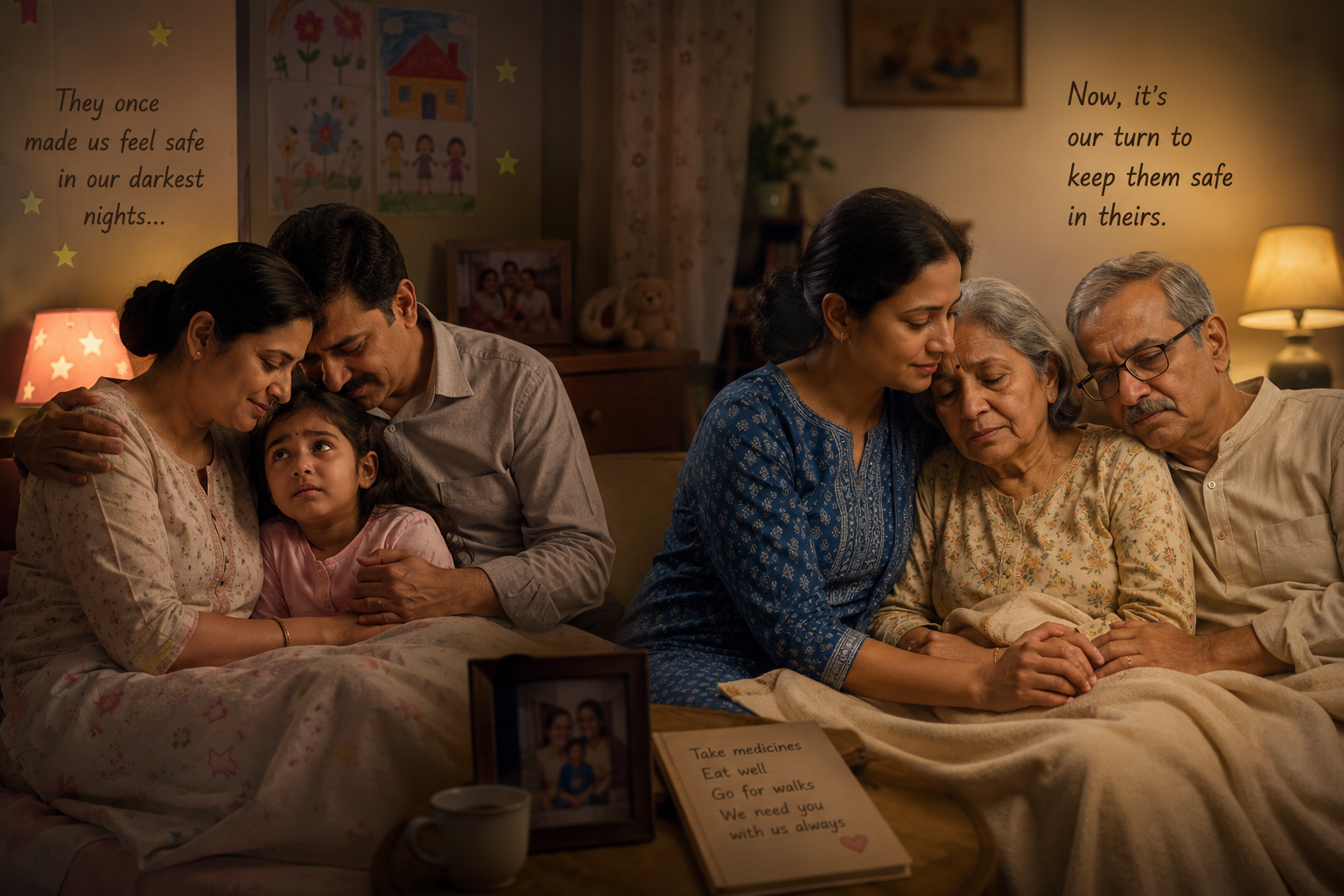
The Sandwich of Emotions
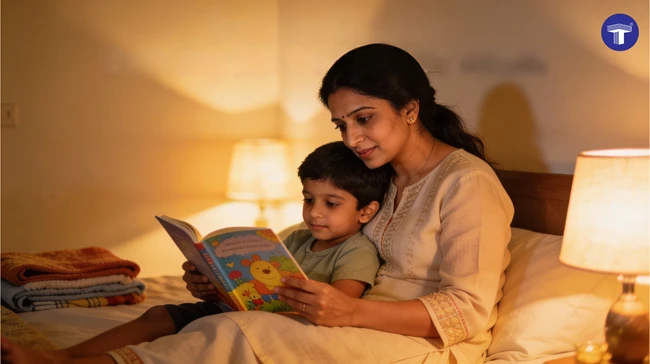
One day you wake up and realize you are no longer just someone’s child. You are also someone’s parent.
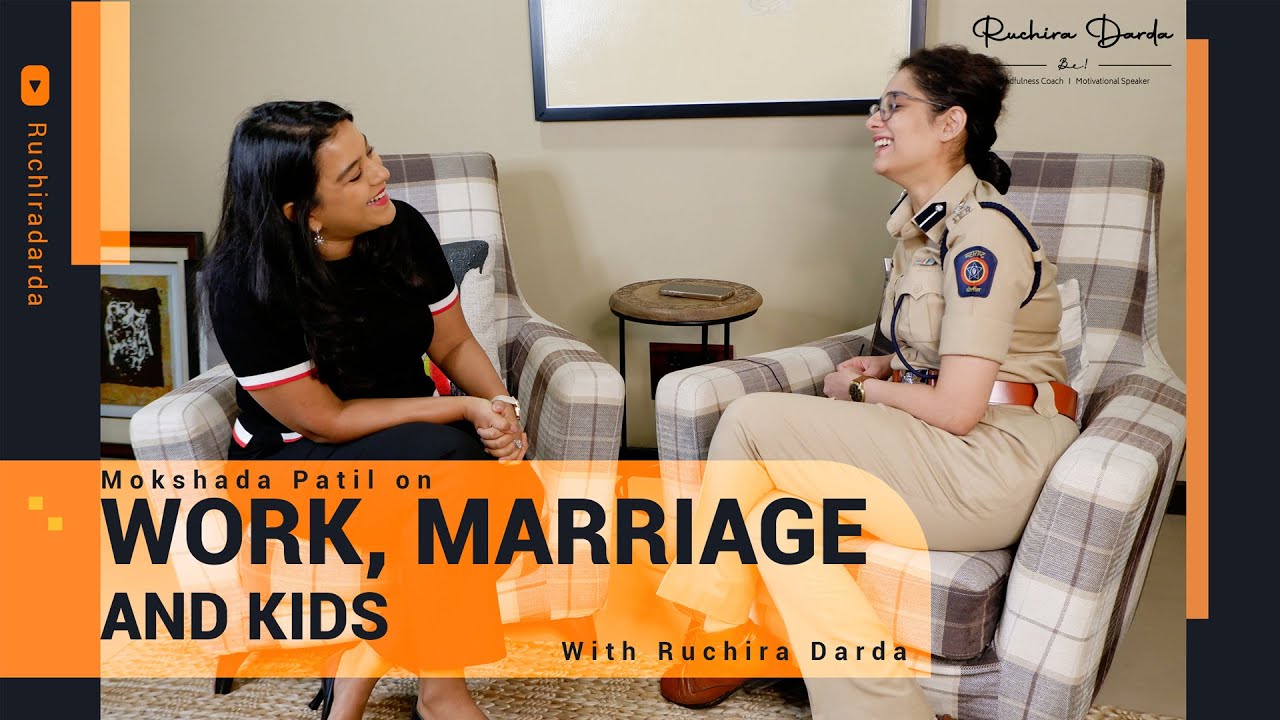
Work, Marriage & Kids.
[11:59 am, 07/08/2026] Kajal: Ok [12:09 pm, 07/08/2026] Kajal: In this heartfelt episode, IPS officer Mokshada Patil shares the untold realities of managing a career in law enforcement while embracing the roles of wife and mother. Through Ruchira Darda's thoughtful guidance, the conversation dives into mindfulness, resilience, and the everyday choices that help women lead fulfilling personal and professional lives.
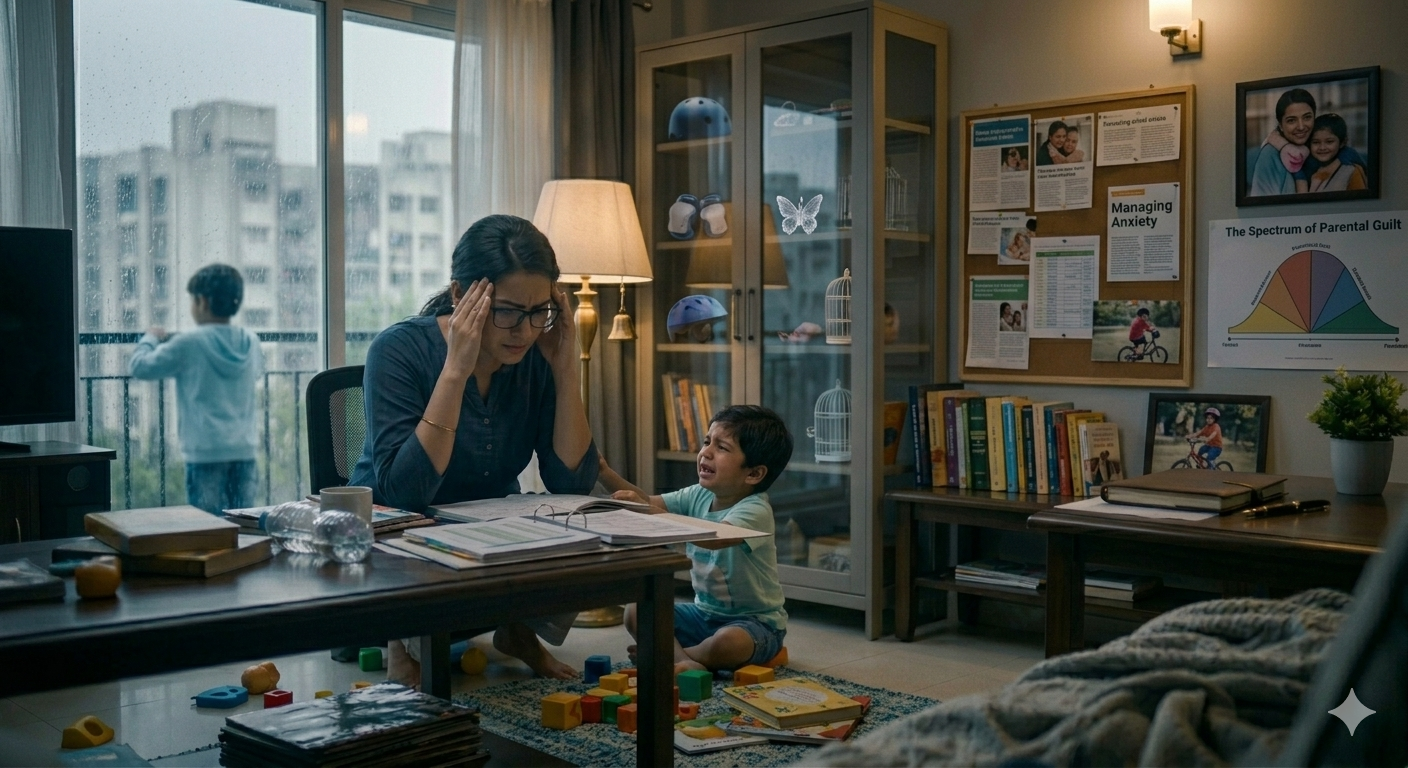
Navigating the fine line between fear & freedom in parenting
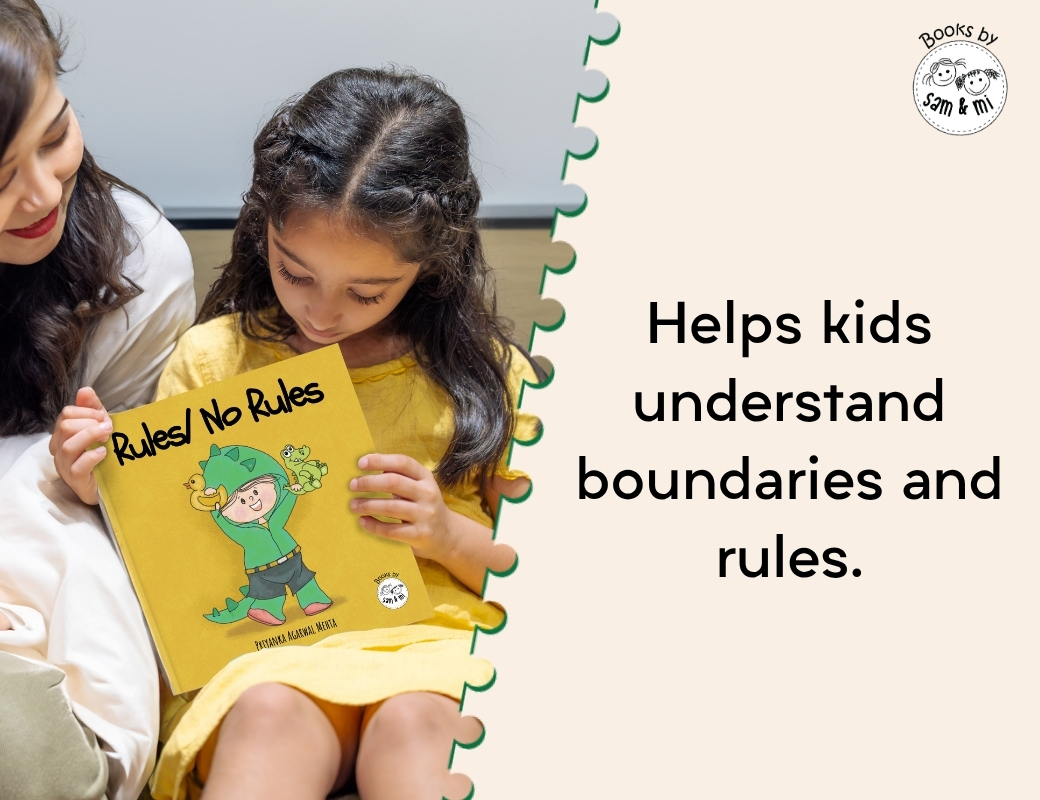
Parents are granting too much freedom too soon - like unrestricted access to money, technology, or social media - assuming their children will naturally make the right choices.
Peri Peri Phase
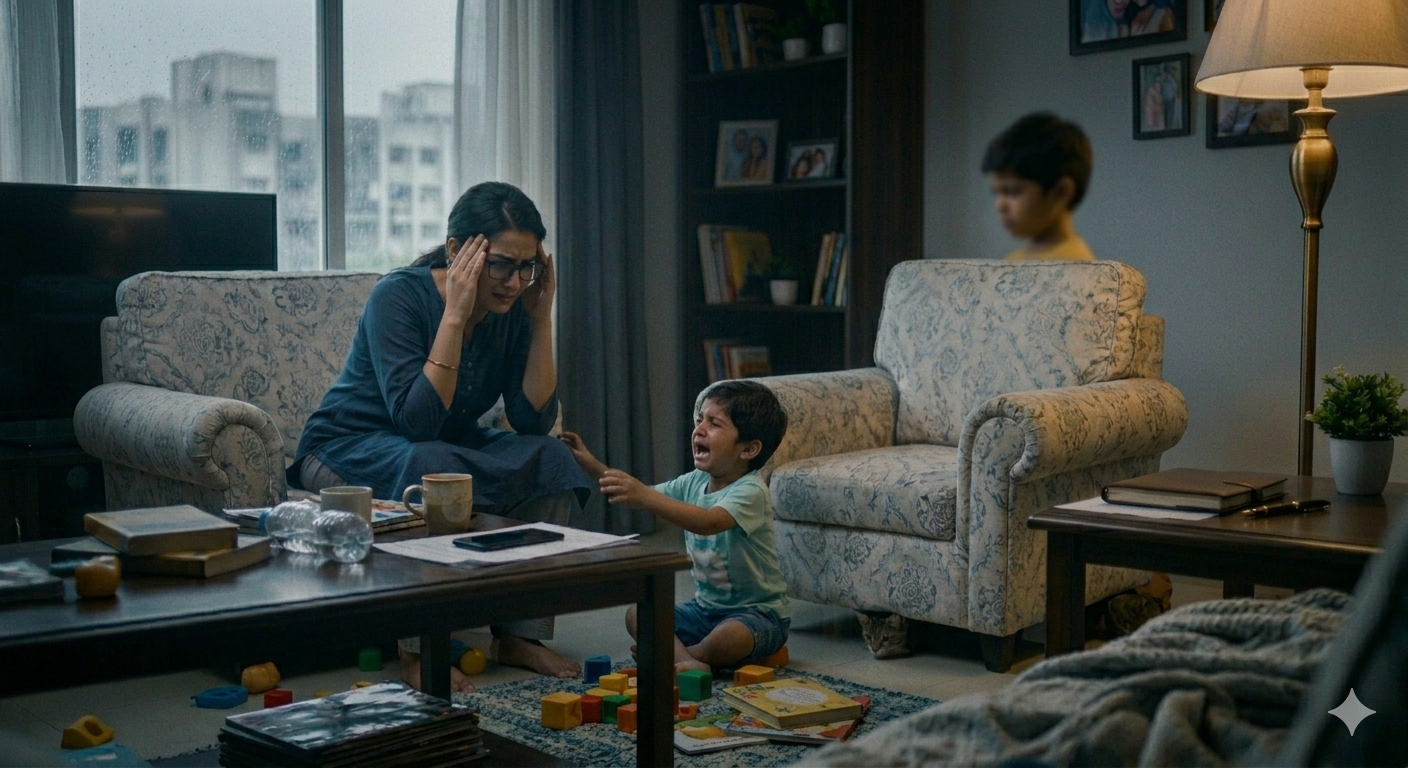
There’s a lot of crying, snarky comments, aggressive reactions and “my life is over” moments. If you guessed it, you are probably in this phase too, and you have my support.

Stay up to date with the latest news, announcements and articles
29 April 2026
29 April 2026
29 April 2026
29 April 2026
27 April 2026

30 April 2026

27 April 2026

27 April 2026
27 April 2026

16 April 2026
Follow us and stay connected on Instagram!

Online - We're here to help

 6 min read