 2 min read
 Nope! Don’t feel like it
I could hit the skip button. I could let it be. I can sit back and decide not to do. But can our kids?




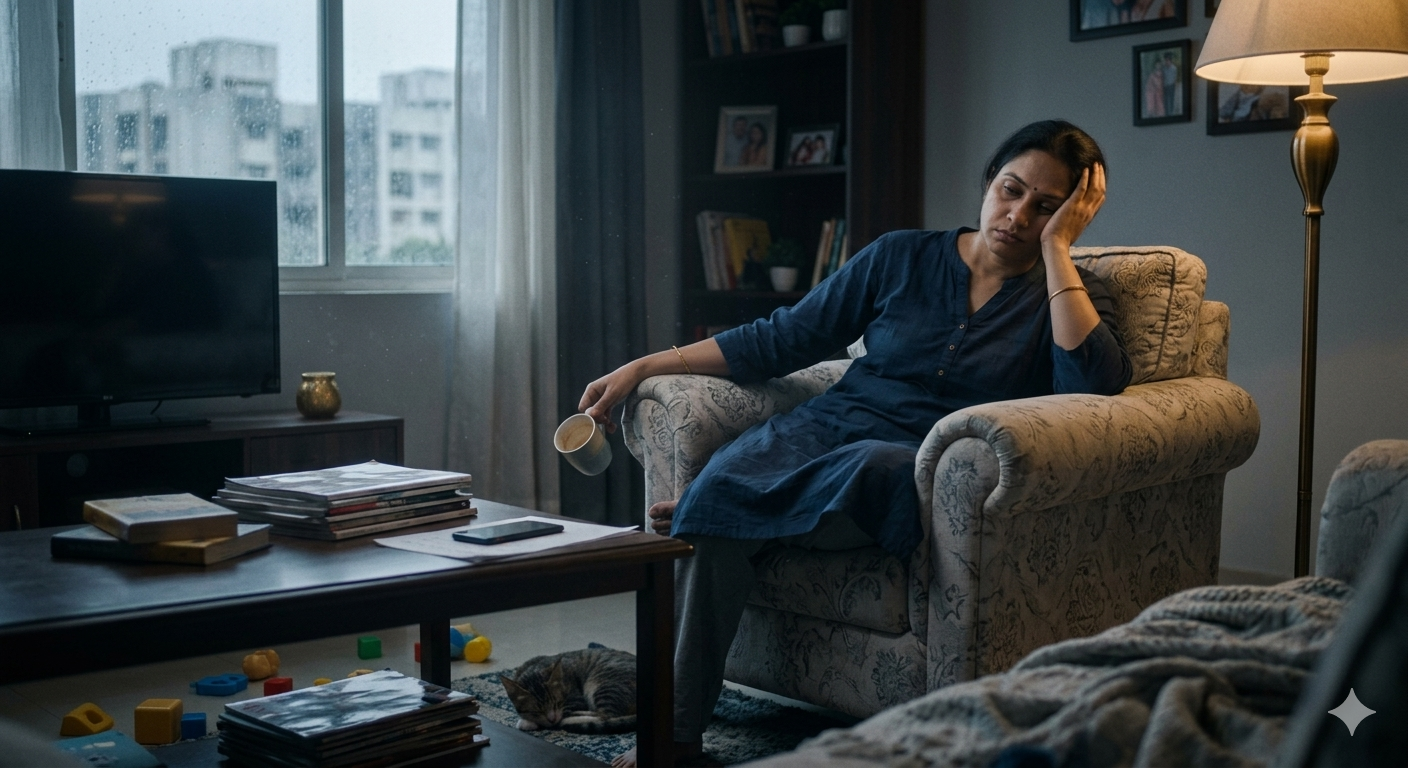
I actually don’t feel like writing today. I’m tired, exhausted both physically and mentally. I sat staring at a blank screen, ready to message my editor to say I’d skip my column this week. Then it struck me: that is exactly what I want to write about. I could hit the skip button. I could let it be. I can sit back and decide not to do. But can our kids? So easily, we forget that children too have bad days when they simply don’t feel like doing anything. Yet we rarely give them that freedom.
If it’s food they don’t feel like eating, we coax or force-feed.
If they don’t feel like studying, we nag.
If they don’t feel like talking, we frown and worry.
We forget that maybe they are just too tired, or overstimulated, or weighed down to keep going.Modern childhood can feel like a conveyor belt - school to home to classes, homework, and endless expectations. In our quest to help them “make the most of their time,” we risk turning them into little productivity machines, expected to perform without pause.When they crash, what can we do?
Pause and allow
Give your child permission to stop. Cancel that extra class, postpone the unnecessary commitment. A short break is not the end of learning; it’s a step toward balance.
Acknowledge their feelings
Say, “I can see you’re tired,” or “It sounds like you need a rest.” Simply naming what they feel validates their experience and tells them they are heard.
Create space to recuperate
Let them nap, read, doodle, or just stare at the ceiling. Doing “nothing” is often how the mind resets and creativity returns.
Offer kindness and understanding
A warm drink, a gentle hug, or simply sitting together in silence communicates love without demands.
Invite, don’t instruct, conversation
Later, when they’re ready, open the door for talk. A casual “Want to share what’s on your mind?” is enough. Parenting isn’t about squeezing maximum output from every day; it’s about raising whole humans. Just as I chose to honour my own exhaustion tonight, may we learn to honour our children’s need to pause because rest is not weakness, it’s wisdom.

Ruchira Darda
Ruchira Darda is a certified parenting coach (ACC), NLP Practitioner, author, and the founder of parentwithpurpose.in. She works with families across India through her initiatives WOW, MahaMarathon, and The Yellow Door.