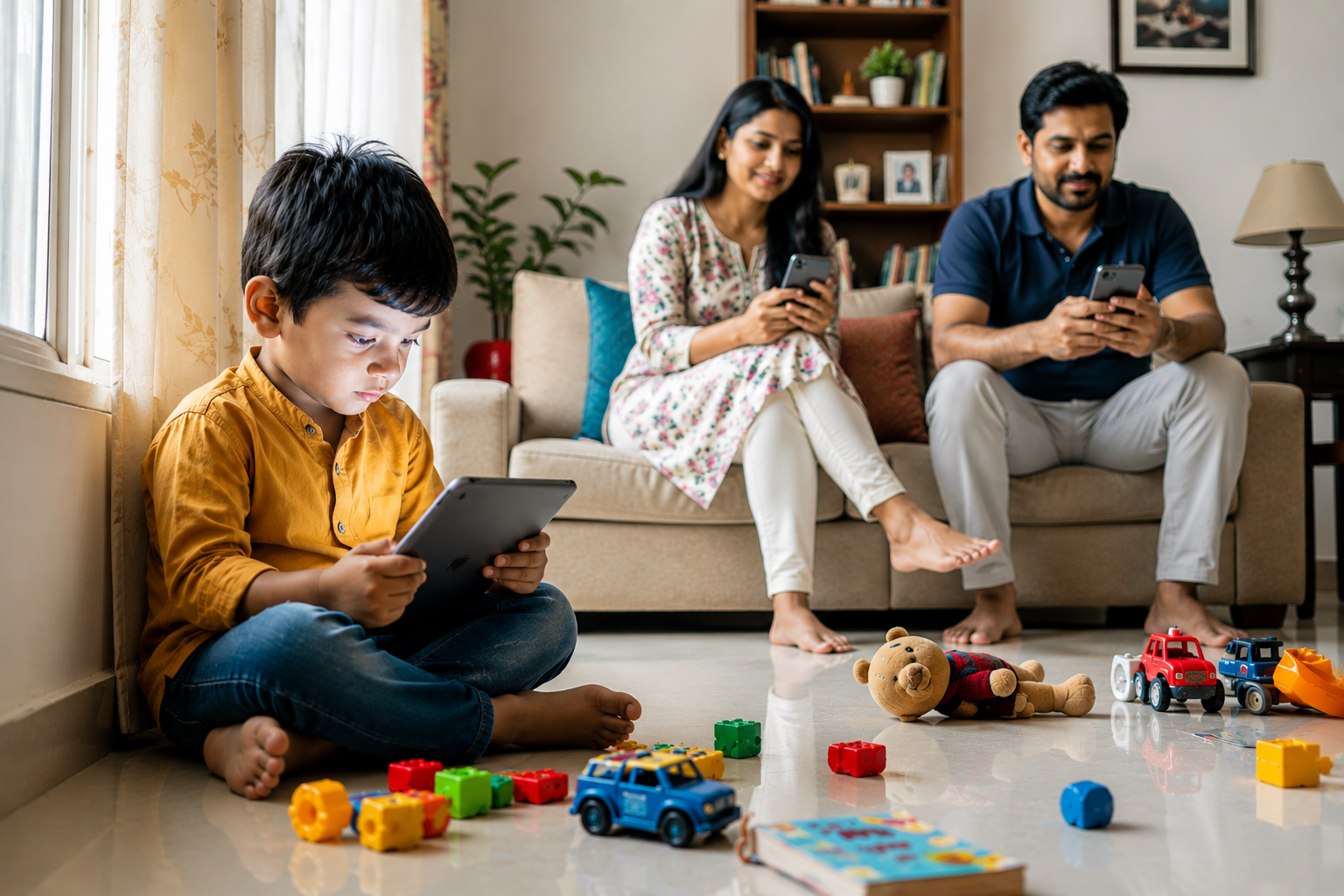
The 6–12 age group is actually the ideal time for a screen detox. Children this age are old enough to understand reasons, participate in planning, and build new habits consciously.

Parent With Purpose 09 Jun 2026
17 posts
Screen Detox Plan for Kids (6–12 Years)
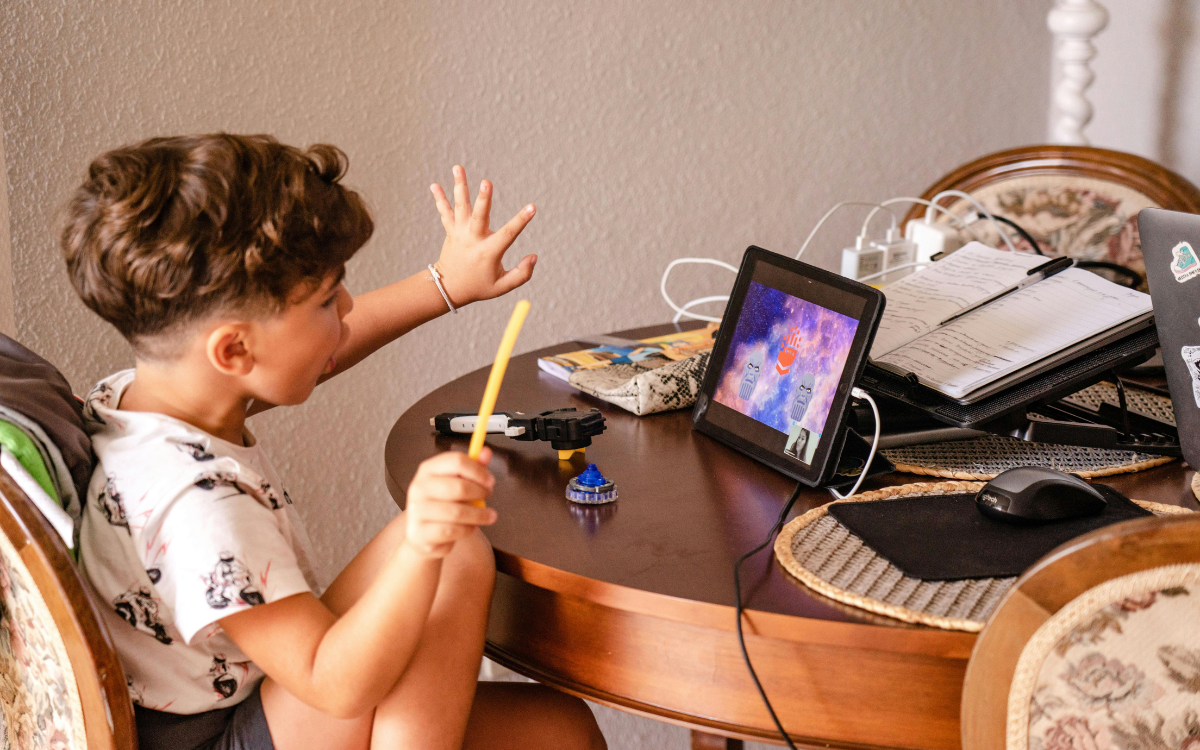
The 6–12 age group is actually the ideal time for a screen detox. Children this age are old enough to understand reasons, participate in planning, and build new habits consciously.
Screen Detox Plan for Teenagers (12–18 Years)
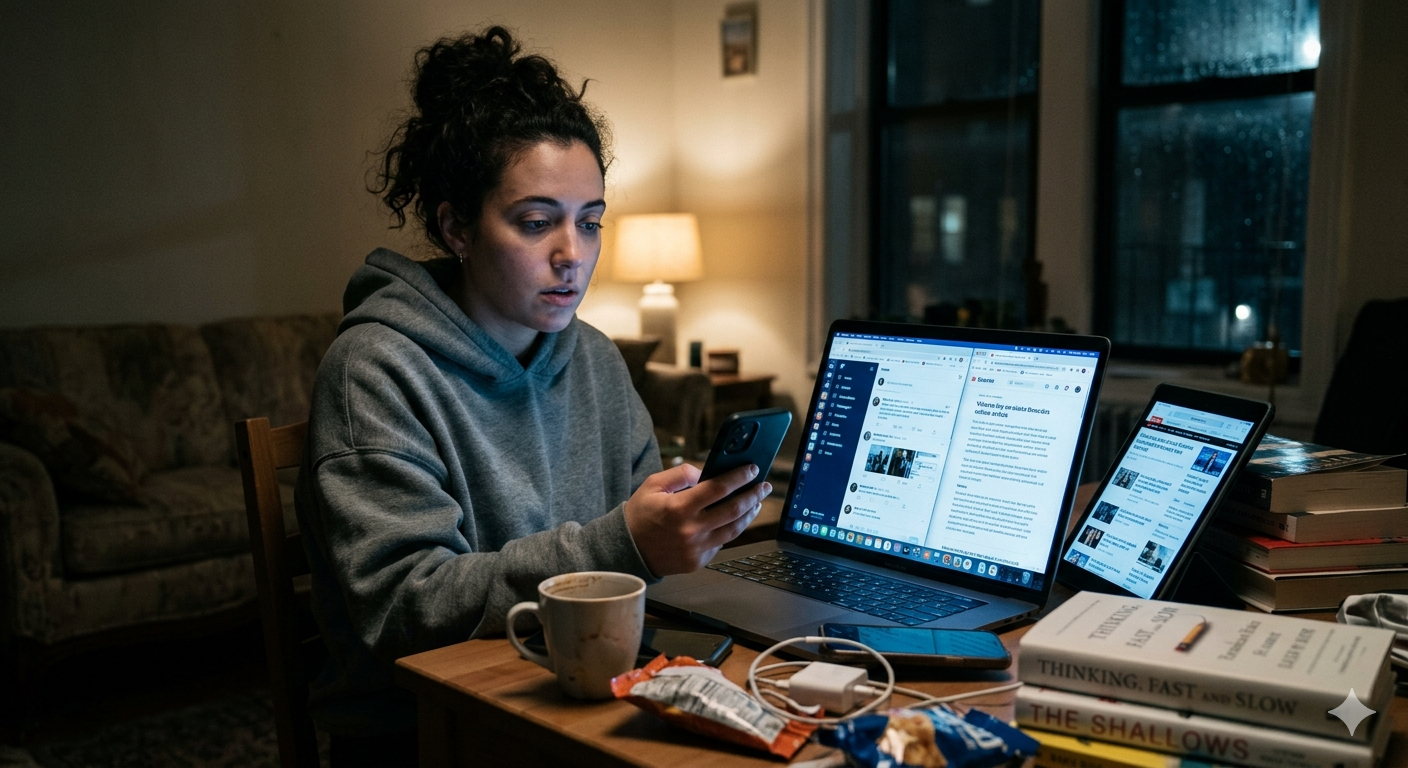
Let's start with the truth: you cannot detox a teenager the way you detox a toddler. You cannot simply remove the phone, offer a toy instead, and call it done. A teenager's relationship with their screen is woven into their social life, their identity, their sense of belonging, and their daily mood. Take it away abruptly and you don't get a calmer child - you get a hostile one, and a damaged relationship.
The Hidden Effects of Screen Time on Your Child's Mental Health
Your child hasn't said anything wrong. Hasn't misbehaved. Hasn't failed a test. But something feels... off. They seem distant. A little irritable. They don't want to go out and play like they used to. They snap at small things. They look sad sometimes, and when you ask what's wrong, they say "nothing" -and go back to their phone.
Screen Detox Plan for Babies & Toddlers (0–2 Years)
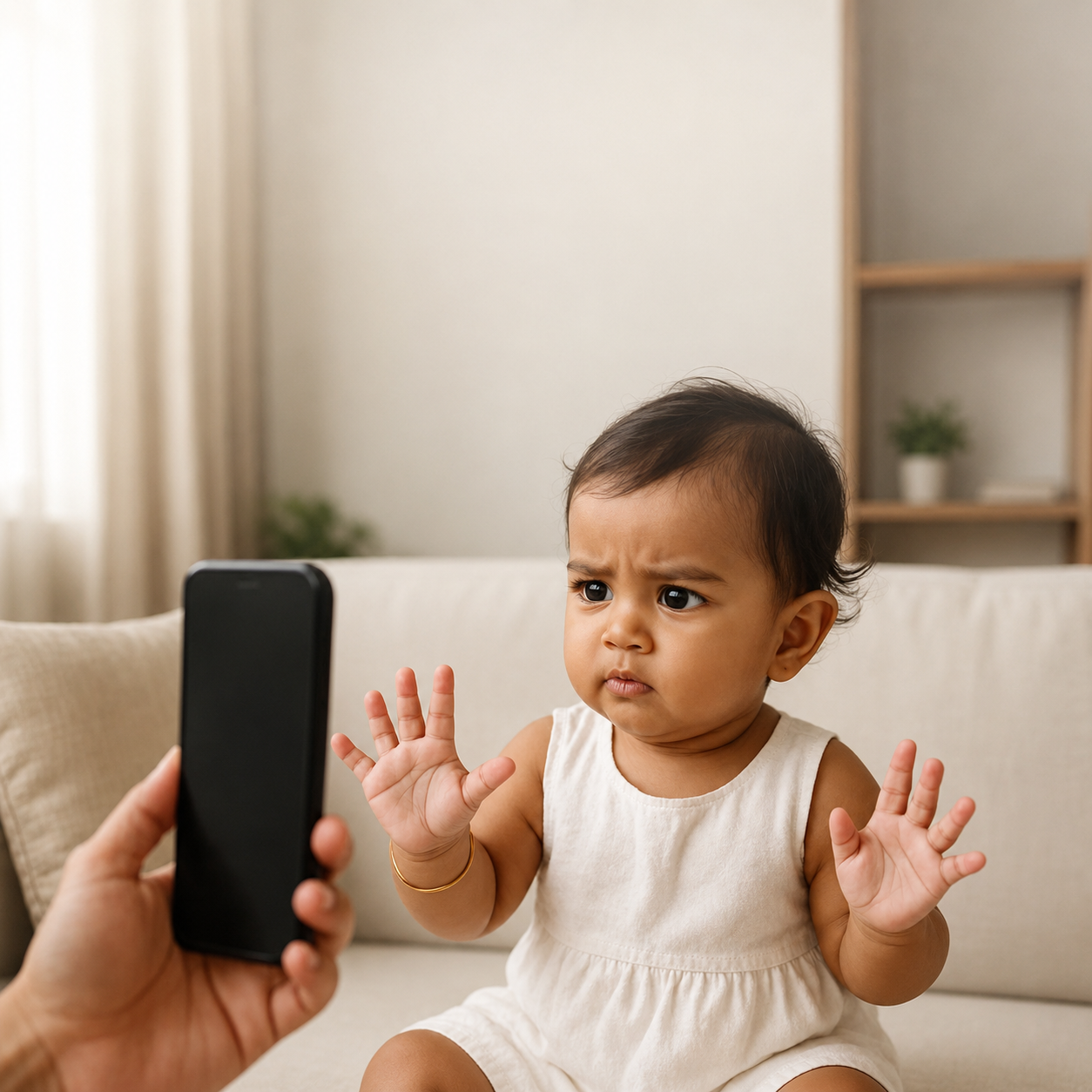
She was eight months old. And every time she cried during a feed, her mother handed her the phone.It worked instantly. She would go quiet, eyes fixed on the screen, mouth open. Five minutes of peace for an exhausted new mother.
Screen Dependency in Kids: Early Signs Parents Miss
There’s a stage in childhood where everything starts to change quietly. Your child is no longer a toddler who needs constant supervision. They go to school, make friends, understand rules, and start forming their own preferences. And somewhere in between homework, playtime, and daily routines, screens slowly become a part of their everyday life.
How Screen Exposure Shapes Thinking Patterns in Preschoolers
From cartoons to short videos to games, screens are becoming a regular part of a preschooler’s daily life. And while they may seem harmless, even educational at times, they are doing something deeper beneath the surface. They are shaping thinking patterns.
Attention Span in Toddlers: How Screens Change It
There’s a moment most parents recognize. You hand your toddler a toy, and within seconds, they lose interest. They move on. Then another toy. Then something else. Nothing seems to hold their attention for long.
Screens vs Deep Thinking: What Kids Are Losing
A child sits with a workbook open in front of them. After a few minutes, they start fidgeting. They look around, flip pages, lose interest, and say, “This is too hard.” The same child, just an hour ago, was completely absorbed in watching videos — focused, engaged, and not distracted at all. This contrast often confuses parents.
How Screens Affect Emotional Regulation in Kids
A child is crying because something didn’t go their way. Maybe a toy broke, maybe a sibling didn’t share, maybe they just feel overwhelmed. Within seconds, a screen is offered. The crying stops. The child becomes quiet, absorbed, calm again.
Why Kids Struggle with Boredom After Screen Exposure
It’s a sentence most parents hear often. But what’s interesting is when it shows up. A child who just spent an hour watching videos suddenly doesn’t know what to do next. Toys are lying around. Books are available.
Do Screens Reduce Empathy in Children?
A child falls while playing. One child immediately runs to help, asks if they’re okay, maybe even comforts them. Another child watches, unsure, distracted, or uninterested. What creates this difference? It’s not just personality. It’s not just parenting style. A big part of it lies in something deeper — how a child’s emotional world has been shaped over time
Fast Content, Slow Thinking: How Screens Reduce Focus
You sit your child down to do something simple — maybe homework, reading, or even a small activity. Within minutes, their attention drifts. They get restless. They look around. They lose interest. But the same child can sit for long periods watching short videos, cartoons, or scrolling endlessly without complaint.
Stay up to date with the latest news, announcements and articles
29 April 2026
29 April 2026
29 April 2026
29 April 2026
27 April 2026
30 April 2026
27 April 2026
27 April 2026
27 April 2026
16 April 2026
Follow us and stay connected on Instagram!
Online - We're here to help