 2 min read
 Preeclampsia in Pregnancy: Warning Signs Every Indian Mother Must Know
This is not a blog meant to frighten you. Most women do not develop preeclampsia. But every pregnant woman should know these signs because recognising it early and getting treatment makes all the difference.

Preeclampsia is one of the most serious complications of pregnancy and one of the most preventable causes of maternal death in India. Understanding its warning signs can literally save your life.
This is not a blog meant to frighten you. Most women do not develop preeclampsia. But every pregnant woman should know these signs because recognising it early and getting treatment makes all the difference.
What is preeclampsia?
Preeclampsia is a condition that develops after 20 weeks of pregnancy, characterised by high blood pressure and signs of damage to other organ systems most commonly the kidneys (which causes protein in the urine). It can affect the liver, brain, and blood clotting system.
In India, preeclampsia affects approximately 8-10% of pregnancies higher than the global average of 5-8%. It is also a significant contributor to maternal mortality, accounting for approximately 10% of maternal deaths in India.
Source: FOGSI – Hypertensive Disorders in Pregnancy Guidelines 2021 | ICMR
Warning signs of preeclampsia: what to watch for
These symptoms require a same-day doctor visit or emergency room visit do not wait:
- High blood pressure: A reading of 140/90 or above on two readings taken 4 hours apart
- Severe headache: A persistent, pounding headache that does not respond to paracetamol
- Visual disturbances: Blurry vision, seeing spots or flashing lights, or temporary vision loss
- Sudden swelling: Rapid swelling of the face, hands, or feet especially if it appeared suddenly
- Upper abdominal pain: Pain under the ribs on the right side (liver-related)
- Nausea or vomiting in the second or third trimester without another obvious cause
Source: ACOG – Preeclampsia: Clinical Management Guidelines 2022 | FOGSI India
Who is at higher risk?
- First pregnancy (risk is highest in first-time mothers)
- Age over 35 or under 18
- Twins or multiple pregnancy
- Pre-existing high blood pressure, diabetes, or kidney disease
- Family history of preeclampsia
- Obesity (BMI over 30)
- In India specifically: Iron deficiency anaemia and poor pre-pregnancy nutrition are associated with higher risk
Monitoring your blood pressure at home in India
Home blood pressure monitoring is highly recommended from week 20 onwards, especially for women with any of the above risk factors. Digital wrist or arm blood pressure monitors are widely available at medical shops across India for ₹800–₹2,500 (brands: Omron, Dr. Morepen).
Normal blood pressure during pregnancy: Below 120/80 is ideal. 120–139/80–89 is considered elevated. 140/90 or above requires a doctor call.
Check your blood pressure at the same time each day, sitting quietly for 5 minutes before measuring. Record the readings to share with your doctor.
Can preeclampsia be prevented?
Low-dose aspirin (75-100mg daily) has been shown to reduce preeclampsia risk in high-risk women when started before 16 weeks of pregnancy. If you have multiple risk factors, ask your doctor about whether aspirin prophylaxis is appropriate for you.
Diet-based prevention:
- Adequate calcium intake: Studies show calcium supplementation in women with low dietary calcium reduces preeclampsia risk particularly relevant in India where dairy consumption may be low
- Reduce excess salt: High sodium intake worsens hypertension risk
- Maintain healthy weight gain within recommended limits
- Regular gentle exercise reduces blood pressure
Source: WHO – WHO Recommendations for Prevention and Treatment of Pre-Eclampsia and Eclampsia 2011 | FOGSI
What happens if preeclampsia is diagnosed?
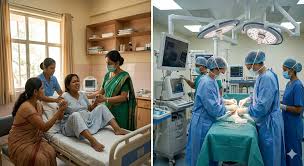
Treatment depends on severity and gestational age. Mild preeclampsia may be managed with monitoring and medication until the baby is mature enough for delivery. Severe preeclampsia usually requires hospitalisation, blood pressure medication, and if serious early delivery.
The definitive cure for preeclampsia is delivery of the baby and placenta. Your doctor will weigh the risks of continuing the pregnancy against the risks of delivering early.

Parent With Purpose
Parent with Purpose is your trusted parenting resource, offering expert advice, practical tips, and real experiences from fellow parents. Our content is organized by your child’s age, from pregnancy to the teen years, ensuring guidance that’s relevant to your current stage. Learn through articles, videos, podcasts, and courses that fit your lifestyle. We also provide carefully curated book lists, meal plans, product recommendations, and India-focused resources to make parenting easier and more informed.