 3 min read
 Breastfeeding Preparation During Pregnancy: What to Know and Do Before Your Baby Arrives
Understanding how it works before your baby arrives makes the entire experience smoother, more confident, and far less stressful.

Many Indian mothers ask their doctor about breastfeeding for the first time after the baby is born when they are exhausted, recovering from labour, and suddenly responsible for a tiny human who is hungry and screaming. Week 32 is the perfect time to prepare instead.
Breastfeeding is natural, but that does not mean it is automatic. Understanding how it works before your baby arrives makes the entire experience smoother, more confident, and far less stressful.
Why does breastfeeding preparation start during pregnancy?
Your body is already preparing for breastfeeding. From around week 16 of pregnancy, your breasts have been producing small amounts of a thick, golden fluid called colostrum the first milk. You may even notice a few drops leaking from your nipples as your pregnancy progresses. This is completely normal.
Knowing about colostrum, how feeding works, and what challenges to expect means you walk into those first 48 hours with knowledge instead of panic.
Source: UNICEF India - Breastfeeding Guidelines | WHO - Breastfeeding Recommendations
What is colostrum and why is it so important?
Colostrum is the first milk your body produces — thick, yellow-gold in colour, and present in small quantities (a few millilitres per feed initially). Many Indian families worry that colostrum is "not enough" or even harmful; this is a myth that must be firmly corrected.
Colostrum is, in fact, one of the most nutritionally and immunologically perfect foods in existence:
- It is packed with antibodies (IgA) that coat your baby's immature gut, protecting against infections
- It contains white blood cells that actively fight bacteria and viruses
- It acts as a natural laxative, helping your baby pass meconium (first stool) and reducing jaundice risk
- It is exactly the right amount your baby's stomach at birth is the size of a marble and holds only 5-7ml per feed
The Indian cultural practice of discarding colostrum or delaying breastfeeding is medically incorrect and harmful. The first breastfeed should ideally happen within one hour of birth.
Source: UNICEF IYCF Guidelines India | WHO - Infant and Young Child Feeding, 2023
When does "real" milk come in?
Mature breast milk (white in colour and more abundant) typically comes in between 2-5 days after birth. Some mothers experience this earlier; some later especially after C-section. The sensation is noticeable when breasts feel fuller, heavier, and may be uncomfortable initially.
During the 2-5 day gap, colostrum is sufficient for your baby. You do not need to supplement with formula unless advised by a doctor.
Preparing your body and mind for breastfeeding
Breast and nipple care during pregnancy
No special preparation of the nipples is necessary before birth. Avoid scrubbing or using harsh soaps on the nipple area the Montgomery's glands (small bumps around the areola) naturally secrete an antibacterial, lubricating fluid.
If you have flat or inverted nipples, speak to your doctor or a lactation consultant there are techniques and tools that help, and most women with flat nipples breastfeed successfully.
Finding a lactation consultant in India
Lactation consultants are trained breastfeeding support specialists. Access is improving in Indian cities:
- Most large private hospitals now have lactation consultants ask your hospital if this service is available
- The Breastfeeding Support for Indian Mothers (BSIM) Facebook community is an excellent free resource
- Government ASHA workers are trained in basic breastfeeding support and can assist in the community
Breastfeeding diet for Indian mothers
While breastfeeding, caloric needs increase by approximately 500 calories per day (more than during pregnancy). Key nutritional focuses for lactating Indian mothers:
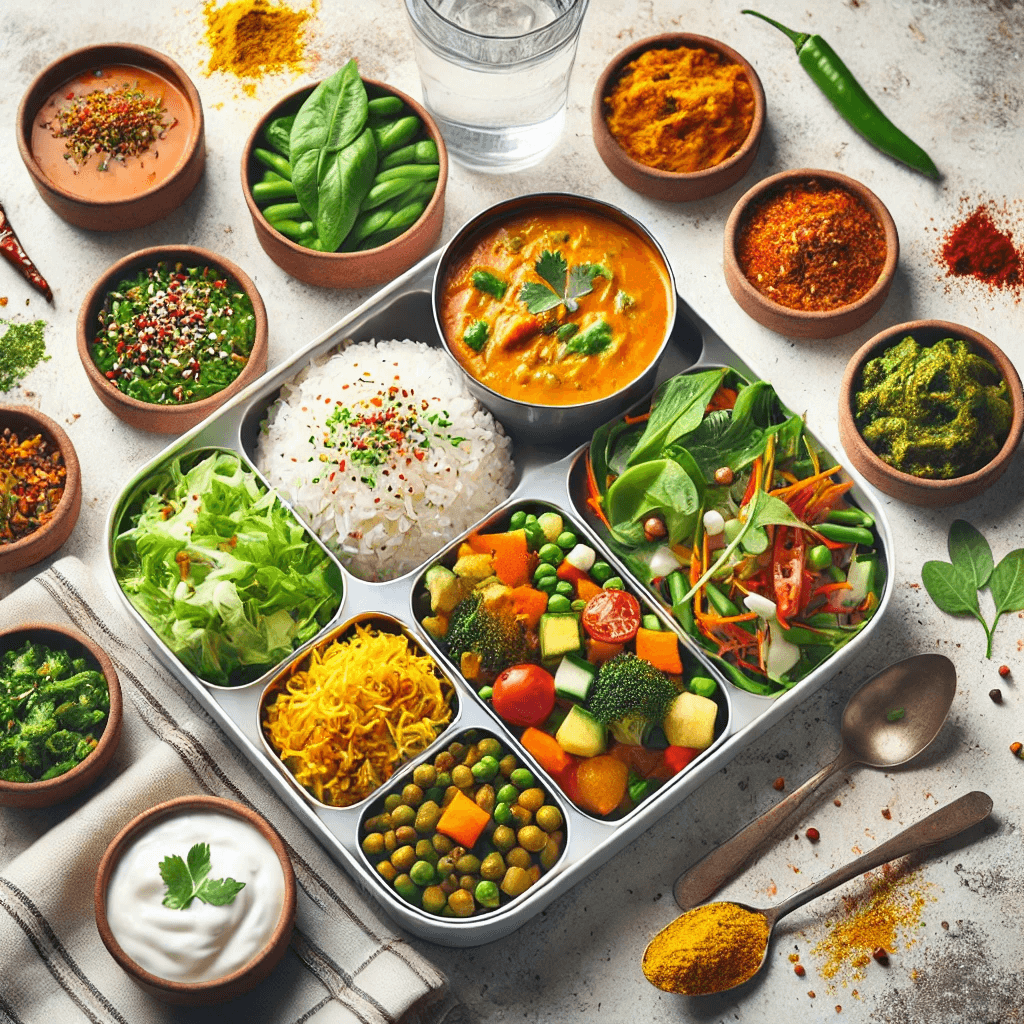
- Plenty of dal, sabzi, roti, rice, dahi a well-rounded traditional Indian diet is excellent for breastfeeding
- Milk-boosting foods in Indian tradition: Fennel seeds (saunf), fenugreek seeds (methi), sajjane ki patti (drumstick leaves), oats with milk, and ajwain (carom seeds) many of these have some evidence supporting lactation
- Adequate hydration: Drink water whenever you feel thirsty a useful rule of thumb is to drink a glass of water every time you sit down to breastfeed
- Avoid caffeine excess and alcohol
Source: ICMR - Dietary Requirements During Lactation 2020 | WHO Infant Feeding Guidelines

Parent With Purpose
Parent with Purpose is your trusted parenting resource, offering expert advice, practical tips, and real experiences from fellow parents. Our content is organized by your child’s age, from pregnancy to the teen years, ensuring guidance that’s relevant to your current stage. Learn through articles, videos, podcasts, and courses that fit your lifestyle. We also provide carefully curated book lists, meal plans, product recommendations, and India-focused resources to make parenting easier and more informed.