 3 min read
 Nurturing the Beginning: A nutrition guide to the First Trimester
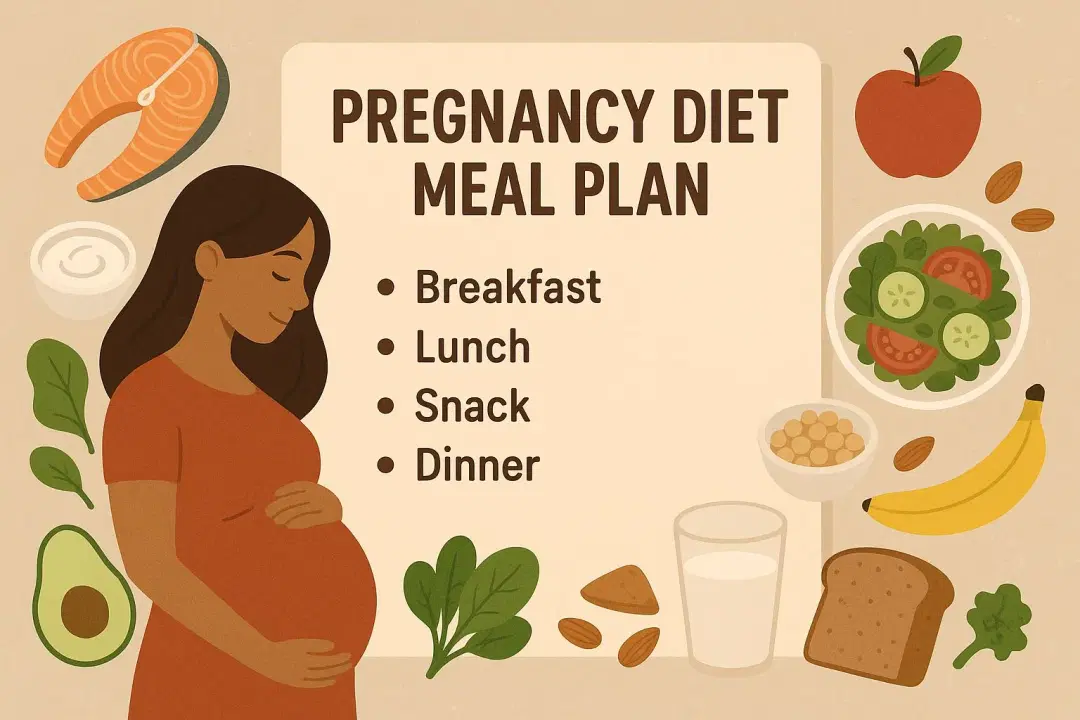
The blog covers the first trimester and the common experience of nausea and morning sickness faced by women. Nutritional guidelines are also given. In the coming blogs, the second and third trimesters will be covered.

Nurturing the Beginnings: A Nutritionist’s Guide to the First Trimester
Pregnancy is the most critical period of rapid foetal growth. To support this journey and prepare for the vital period of lactation after delivery, a woman’s body undergoes a wide array of hormonal and physiological changes from the start.Navigating these early weeks requires a unique approach to nutrition-one that focuses heavily on the quality of what you eat rather than the quantity.
The First 12 Weeks: Quality Over Quantity
During the first trimester of pregnancy, there is no significant increase in the physical size of the foetus. Because of this, your overall caloric and energy demands do not change much during these first three months.However, do not let the lack of physical size fool you: this is the phase of organogenesis-the critical window where all of the baby's major organs and bodily structures are formed. While you don't need to "eat for two" in terms of portion sizes yet, your requirement for vital micronutrients skyrockets to support this foundational cellular work.
Navigating First-Trimester Symptoms
Because of rapid surges in hormones, early pregnancy frequently brings a wave of challenging physical symptoms:
- Morning sickness and frequent nausea.
- A strong aversion toward certain smells, specific foods, and distinct tastes.
A Crucial Note for Family Members
Forcefully feeding a mother during this phase is never recommended. The food choices, cravings, and aversions of an expecting mother should be fully respected by the family. Forcing food can trigger severe vomiting, elevate stress levels, and create an unhappy association with eating during a time when the body is already working overtime to adjust.Do not confuse the mother into eating for two just because she is pregnant. Quantity doesn't matter right now-the quality of the meal matters. Small and frequent meals are significantly better, considering all the massive physiological changes a mother's body is going through.
The Nutritionist's Toolkit for Morning Nausea
To tackle the issue of morning sickness and vomiting, try incorporating these evidence-based strategies into your daily routine:
- The Dry-Carb Strategy: Consuming high-carbohydrate, bland foods first thing in the morning-such as a piece of toast, dry whole-wheat biscuits, crackers, or a little fruit-before even getting out of bed helps stabilize dropping blood sugar levels, which is a primary trigger for early morning nausea.
- The Power of Ginger: Incorporating ginger tea or small amounts of ginger candy can significantly calm a queasy stomach. Ginger contains natural compounds called gingerols, which possess proven antiemetic properties that soothe gastric motility.
- Separate Solids and Liquids: Try to consume your fluids between meals rather than drinking large amounts of water or juice with your food. This prevents an over-distended stomach, which can easily trigger the vomiting reflex.
The Pillars of First Trimester Nutrition: The "Why" Behind the Nutrients
Even if your appetite is low due to nausea, focusing on small, nutrient-dense meals that highlight these specific structural building blocks is essential. Here is what your body needs most right now, and the science behind it:
1. Folic Acid (Vitamin B9)
- The Science: Folic acid is foundational in the very early weeks of pregnancy to support the complete closure of the embryonic neural tube. Adequate intake is scientifically proven to prevent Neural Tube Defects (NTDs) like spina bifida, ensuring healthy early brain and spinal cord development.
2. Iron
- The Science: During pregnancy, a woman's maternal blood volume expands by nearly 50% to supply the placenta. Extra iron is essential to produce haemoglobin, prevent gestational anaemia, and ensure optimum oxygen delivery to the newly forming fetal tissues.
3. Calcium
- The Science: Calcium is strictly necessary for the early development of the fetal skeletal system. If dietary calcium intake is low, the mother's body will naturally demineralise her own bones to supply the baby, making adequate intake vital to protect the mother’s long-term bone health.
4. Protein
- The Science: Protein is the fundamental building block of life. It is essential to support the rapid cellular synthesis of new fetal tissue, the growth of the placenta, and the healthy enlargement of maternal uterine and breast tissues.
5. Choline & Omega-3 Fatty Acids (DHA)
- The Science: Often overlooked in early pregnancy, Choline (found beautifully in plant sources like roasted makhana, peanuts, and soybeans) and DHA (found in walnuts, chia seeds, or flaxseeds) are vital structural components required for the early stages of fetal brain architecture and retina development.

Aparajita Sathe
I am a Ph.D. scholar in Food Science and Nutrition, a teacher, and a nutrition counsellor with a passion for making nutrition simple, practical, and meaningful for families. My research focuses on adolescent nutrition and the changing food environment, and I am deeply interested in how nutrition shapes health from early life onward. On this blog, I share evidence-based guidance on pregnancy, infant and child nutrition, and everyday healthy eating to help parents make informed and confident choices for their children’s well-being.