 3 min read
 Normal Delivery vs C-Section in India: What Every First-Time Mother Needs to Know
Let us cut through the noise and give you clear, evidence-based information.

The question every Indian mother asks herself at some point in the third trimester: Will I have a normal delivery or a C-section?
In India, this is not just a medical question it comes with enormous family opinions, social pressure, and often confusing advice from all directions. Let us cut through the noise and give you clear, evidence-based information.
The reality of delivery in India today
India's C-section rate has risen dramatically. According to the National Family Health Survey (NFHS-5), approximately 21.5% of deliveries in India are by C-section, nearly 1 in 5 births. In private hospitals, this number is significantly higher; some urban private facilities report C-section rates of 50% or more.
The WHO recommends that C-section rates should ideally be between 10–15% of births. Rates above this suggest the procedure is being performed in situations where it is not medically necessary.
Source: NFHS-5 (2019–21) – India's Delivery Statistics | WHO – C-Section Statement 2015
When is a C-section medically necessary?
A C-section (caesarean section) is a major abdominal surgery. When it is medically necessary, it can be life-saving for both mother and baby. Legitimate medical reasons include:
- Baby in breech position (head up, not down) after 36 weeks with no successful turning
- Placenta previa placenta covering the cervix, blocking the birth canal
- Severe preeclampsia or eclampsia
- Baby showing signs of distress during labour (foetal heart rate abnormalities)
- Multiple pregnancies (twins, triplets) in certain positions
- Previous C-sections in some circumstances (though VBAC vaginal birth after C-section is possible in many cases)
- Labour that does not progress despite appropriate management
Source: FOGSI – Indications for Caesarean Section in India 2022
How to prepare for a normal (vaginal) delivery
If there is no medical reason for a C-section, working toward a normal delivery is absolutely achievable. Here is what genuinely helps:
1. Stay active during pregnancy
Women who exercise regularly throughout pregnancy tend to have shorter, more manageable labours. Walking 30-45 minutes daily strengthens the muscles involved in labour. Prenatal yoga, squats, and pelvic floor exercises all help.
2. Pelvic floor exercises (Kegel exercises)
Your pelvic floor muscles support the uterus, bladder, and bowel. Strong pelvic floor muscles make pushing more effective during labour and reduce tearing.
How to do them: Contract the muscles you would use to stop urination. Hold for 5 seconds, release for 5 seconds. Do 10 repetitions, 3 times daily. You can do these anywhere sitting, standing, or lying down.
3. Perineal massage from week 34
Massaging the perineal area (between the vagina and anus) from week 34 onwards with oil (coconut or almond) for 5-10 minutes daily has been shown in multiple studies to reduce tearing during delivery and the need for episiotomy (surgical cut during delivery). Discuss this with your doctor.
4. Attend antenatal classes
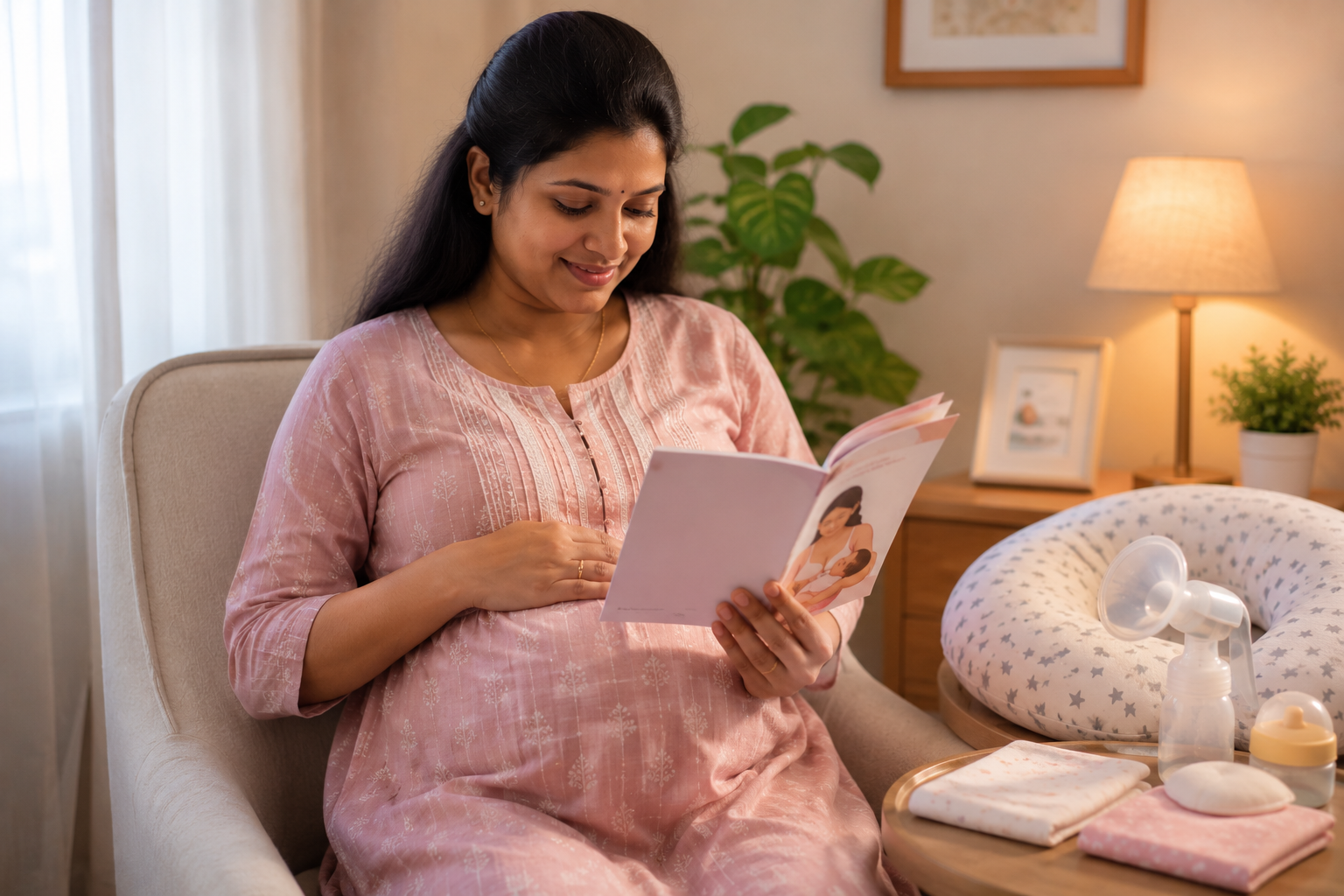
Antenatal classes available at most private hospitals and some government facilities teach breathing techniques, pushing techniques, and what to expect during labour. This knowledge reduces panic during labour, which significantly aids the process.
5. Discuss your birth plan with your doctor
Having a conversation about your preferences epidural or no epidural, episiotomy preferences, who you want in the room ensures your doctor knows your wishes. Be flexible but informed.
Source: FOGSI – Normal Labour and Delivery Guidelines | Cochrane Review – Perineal Massage in Pregnancy
C-section recovery: what to expect in India
If you do have a C-section planned or emergency here is the honest recovery timeline:
- In hospital: 3-5 days typically
- First week at home: Significant pain and limited mobility. You will need help with the baby, housework, and basic tasks.
- Driving restriction: At least 6 weeks
- Full internal healing: The uterine scar takes approximately 6 months to fully heal
- Next pregnancy: Most doctors in India recommend waiting at least 18 months before the next pregnancy after a C-section
Diet for C-section recovery: Iron-rich foods (to rebuild blood lost in surgery), protein (for wound healing), and fibre (to prevent constipation with pain medication).

Parent With Purpose
Parent with Purpose is your trusted parenting resource, offering expert advice, practical tips, and real experiences from fellow parents. Our content is organized by your child’s age, from pregnancy to the teen years, ensuring guidance that’s relevant to your current stage. Learn through articles, videos, podcasts, and courses that fit your lifestyle. We also provide carefully curated book lists, meal plans, product recommendations, and India-focused resources to make parenting easier and more informed.