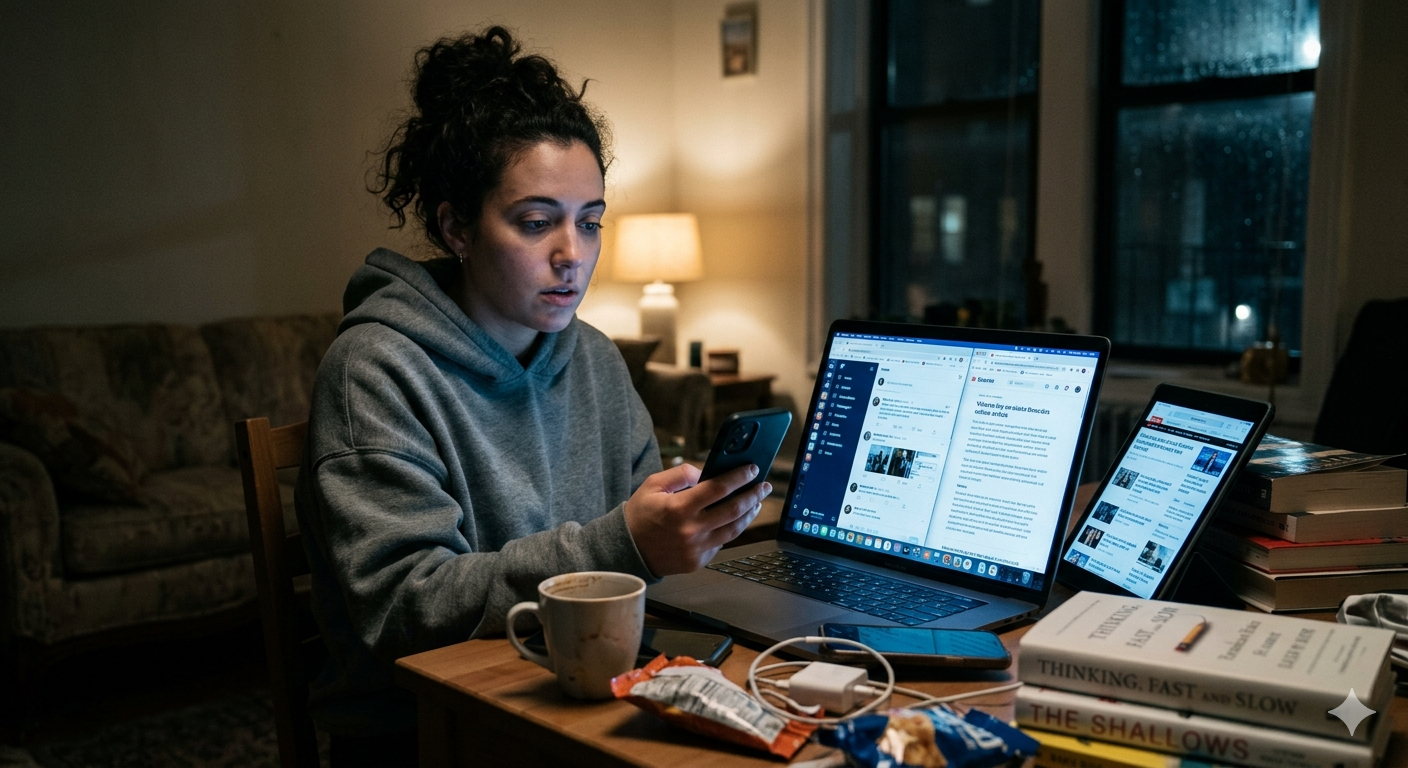
You sit your child down to do something simple — maybe homework, reading, or even a small activity. Within minutes, their attention drifts. They get restless. They look around. They lose interest. But the same child can sit for long periods watching short videos, cartoons, or scrolling endlessly without complaint.

Parent With Purpose 30 Apr 2026
20 posts
Fast Content, Slow Thinking: How Screens Reduce Focus
You sit your child down to do something simple — maybe homework, reading, or even a small activity. Within minutes, their attention drifts. They get restless. They look around. They lose interest. But the same child can sit for long periods watching short videos, cartoons, or scrolling endlessly without complaint.
Screens and Tantrums: Is There a Connection?
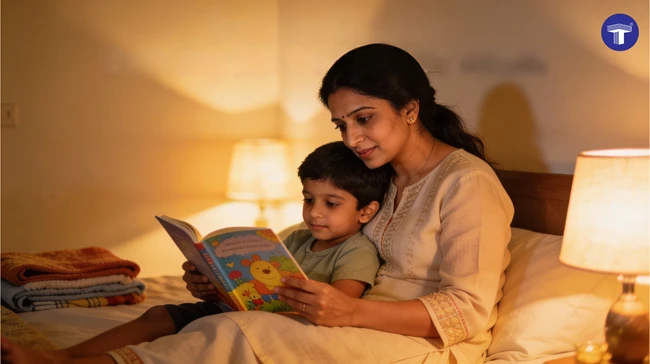
If you’ve ever taken a phone away from a child and been met with instant crying, screaming, or a full-blown meltdown, you’re not alone. For many parents, this moment feels confusing and overwhelming. Just seconds ago, the child was calm, quiet, and completely engaged. And suddenly, everything changes.
How to Reduce Screen Time Without Resistance: The 10-Minute Connection Trick Every Parent Should Know
Most screen time struggles don’t begin when you say, “Turn it off.” They begin much earlier. They begin in the small gap between you and your child— a gap that often goes unnoticed during a busy day.
How to Get Grandparents and Caregivers to Follow Screen Rules
You’ve decided your approach. You’re trying to reduce screen time. You’re being mindful. Intentional. And then… Your child goes to a grandparent’s house. Or spends time with a babysitter. Or even just sits with another parent or relative. And suddenly, everything changes.
How to Handle Screen Demands in Public Without Giving In (Restaurants, Travel & Social Situations)
And suddenly, your child asks for your phone. Not once. Not calmly. But repeatedly. Now it’s not just about your child anymore. It feels like people are watching. Judging. Waiting to see how you respond. And in that moment, handing over the phone feels like the quickest way to restore peace.
How Predictable Routines Reduce Screen Dependency in Kids
Screen dependency doesn’t usually grow because children love screens too much. It grows because screens become the most predictable part of their day. Think about it. Screens are always available. They always respond instantly. They don’t depend on mood, time, or other people
Peer Influence, Screens and Changing Behaviour
As children grow, friends and digital content begin to shape how they think and act. They may copy what they see or follow what others do. This can slowly change habits, language, and choices, making it important to notice how these influences affect their everyday behaviour.
Screens vs Imagination: What Happens at Age 4–6?
Between ages 4 and 6, children start using imagination to learn, create, and solve small problems. Too much screen use can limit this natural thinking, as ready-made visuals replace their own ideas. This stage is important for creativity, storytelling, and exploring the world in their own unique way.
Stay up to date with the latest news, announcements and articles
29 April 2026
29 April 2026
29 April 2026
29 April 2026
27 April 2026
30 April 2026
27 April 2026
27 April 2026
27 April 2026
16 April 2026
Follow us and stay connected on Instagram!
Online - We're here to help