 4 min read
 Why Settlers of Catan Is One of the Most Powerful Games for Your Child’s Thinking and Life Skills
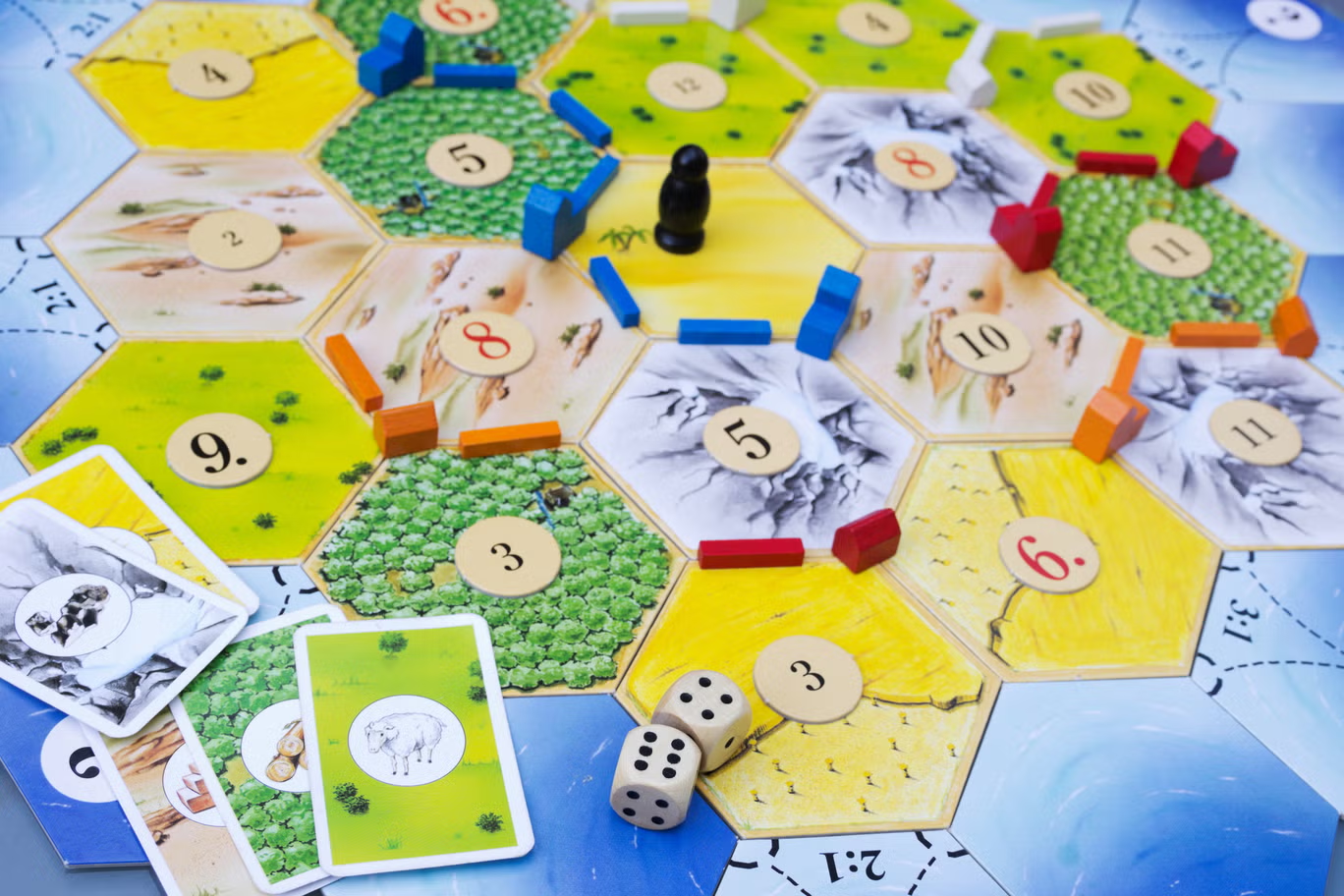
Not all games are created equal. Some games entertain. Some pass time. And then there are a few rare ones that quietly shape the way a child thinks, reacts, and understands the world. Settlers of Catan is one of those games.

At first, it may look like just another board game with cards, tiles, and pieces. But once you sit down to play, you realize—it’s not just about winning. It’s about how you think, how you decide, and how you deal with people. And that’s exactly why it is so valuable for children.
What Makes Settlers of Catan Different?
Unlike traditional games where luck decides everything, Catan is a blend of strategy, planning, and interaction. There is no single path to victory.
Every move you make matters:
- Where you place your first settlement
- What resources you collect
- When you choose to trade
- How you respond to other players
Children quickly understand that rushing doesn’t work here. They need to slow down, observe, and think. And this shift—from impulsive play to thoughtful decisions—is where real development begins.
The First Lesson: Choices Have Consequences
One of the most powerful things Catan teaches is that every choice has an outcome.
If a child places their settlement in the wrong spot, they may struggle to collect useful resources. If they trade too quickly, they might lose an advantage. If they wait too long, someone else might take the opportunity. These experiences are not taught through lectures—they are felt.
Over time, children begin to:
- Think before acting
- Consider different possibilities
- Learn from their mistakes
This builds decision-making skills that go far beyond the game.
Understanding Resources and Value
Catan introduces children to the idea of limited resources. There is only so much wood, brick, wheat, ore, and sheep available. You can’t have everything at once. So what do children learn?
They learn to:
- Prioritize what they need
- Plan based on availability
- Use resources wisely
They also begin to understand value.
For example:
- Is one brick worth two sheep?
- Should I trade now or wait?
These small decisions introduce children to basic economic thinking in a very natural way.
The Art of Negotiation
One of the most unique aspects of Catan is trading. Players must negotiate with each other to get the resources they need. And this is where things get really interesting.
Children learn:
- How to ask for what they want
- How to convince others
- When to say yes and when to refuse
Sometimes they succeed. Sometimes they don’t. But every interaction teaches them something.
Social skills they develop:
- Clear communication
- Listening to others
- Reading reactions and intentions
- Handling rejection calmly
These are real-life skills that no textbook can fully teach.
Learning Patience in a Fast World
We live in a time where everything is instant. Fast games. Quick rewards. Immediate results. Catan is the opposite. It takes time to build. Time to gather resources. Time to grow. Children cannot rush their way to victory.
They must:
- Wait for the right resources
- Plan multiple steps ahead
- Accept that progress can be slow
And slowly, they begin to understand something important: Good things take time.
This lesson, when learned early, shapes how they approach challenges in life.
Handling Competition in a Healthy Way
Competition is a part of life. But learning how to handle it is equally important.
In Catan, children experience:
- Winning
- Losing
- Being ahead
- Falling behind
And through all of this, they learn emotional balance.
They understand that:
- Losing is not failure
- Winning is not everything
- The game can change at any moment
This helps build resilience. Instead of getting upset or giving up, children learn to stay engaged and keep trying.
Encouraging Strategic Thinking
Catan is not about random moves. It’s about thinking ahead.
Children begin to:
- Plan their next few steps
- Predict what others might do
- Adjust their strategy based on the situation
For example:
- If someone is close to winning, should I block them?
- Should I expand quickly or build slowly?
These kinds of questions strengthen logical thinking. Over time, children become more thoughtful—not just in the game, but in everyday decisions too.
Boosting Confidence Through Decision-Making
Every move in Catan belongs to the player. There are no fixed instructions telling them what to do next. This independence builds confidence. Even if a decision turns out wrong, it is still their decision. And that matters.
Children start to feel:
- “I can think for myself”
- “I can make choices”
- “I can learn from what I do”
This sense of ownership is powerful.
A Game That Brings Families Together
Catan is not just a children’s game. It is a game that adults enjoy just as much. This makes it perfect for family time.
When families play together:
- Conversations become natural
- Laughter comes easily
- Children feel included in something meaningful
Unlike passive activities, this is active connection. Everyone is involved. Everyone is thinking. Everyone is interacting. And these shared experiences create strong bonds.
Why It Works So Well for Growing Minds
Children are constantly learning, even when they are playing. Catan supports multiple areas of development at once:
Cognitive skills:
- Planning
- Problem-solving
- Logical thinking
Social skills:
- Communication
- Negotiation
- Cooperation
Emotional skills:
- Patience
- Resilience
- Confidence
Very few games offer this combination.
What Parents Should Know Before Introducing Catan
Catan may feel slightly complex at first, especially for younger children.
Here’s how you can make the experience smoother:
- Start by explaining the basics slowly
- Play a short practice round
- Focus on understanding, not winning
- Be patient as they learn
Once children get the hang of it, they usually enjoy it deeply.
Common Concerns (And Why They’re Okay)
Some parents worry that competitive games might make children aggressive or overly focused on winning. But with the right environment, Catan does the opposite.
It teaches children:
- To respect others’ turns
- To accept different outcomes
- To stay calm under pressure
The key is to keep the atmosphere supportive, not overly competitive.
A Game That Grows With Your Child
One of the best things about Catan is that it doesn’t become boring as children grow. In fact, it becomes more interesting.
As their thinking improves:
- Their strategies become smarter
- Their decisions become sharper
- Their interactions become more meaningful
It’s a game that evolves with the player.
Final Thoughts
Settlers of Catan is not just about building roads and settlements. It’s about building a way of thinking.
It teaches children to:
- Pause before acting
- Think through their choices
- Communicate effectively
- Handle both success and failure
In a world that often values speed and instant results, Catan gently teaches depth, patience, and strategy. And those are skills that stay with a child for life. Because in the end, it’s not just about who wins the game. It’s about what the child becomes while playing it.

Parent With Purpose
Parent with Purpose is your trusted parenting resource, offering expert advice, practical tips, and real experiences from fellow parents. Our content is organized by your child’s age, from pregnancy to the teen years, ensuring guidance that’s relevant to your current stage. Learn through articles, videos, podcasts, and courses that fit your lifestyle. We also provide carefully curated book lists, meal plans, product recommendations, and India-focused resources to make parenting easier and more informed.