 3 min read
 Ask Ruchira: How Can I Make My Child’s Summer Truly Meaningful?
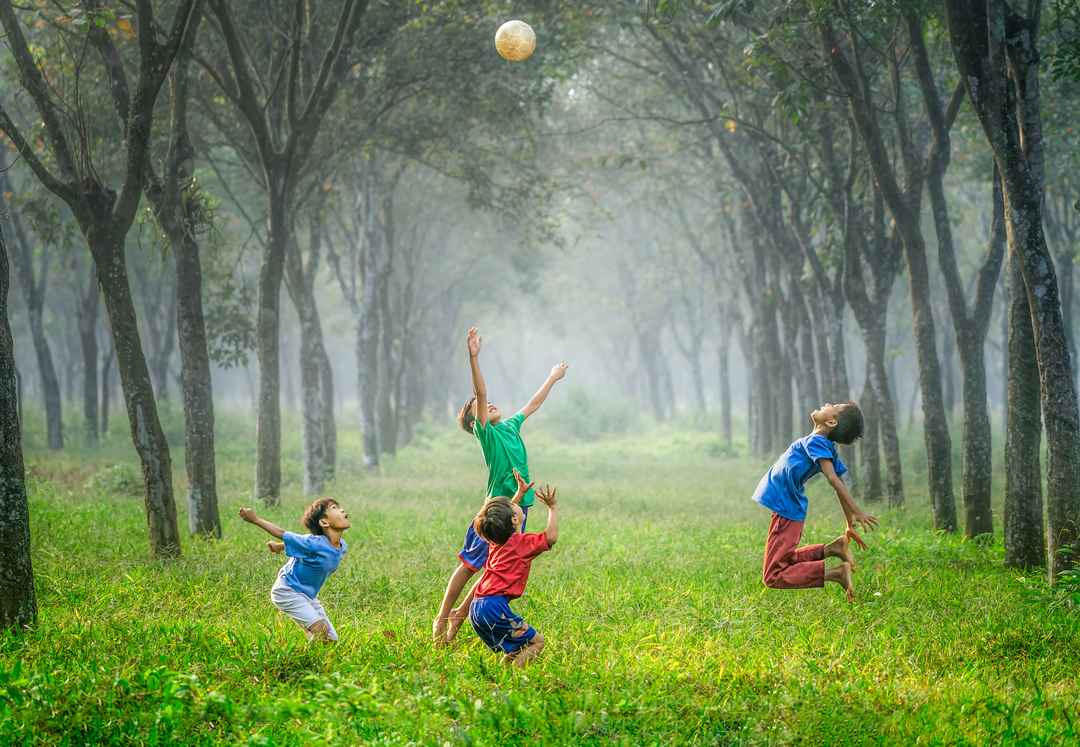
Holidays are here… but how do I make them count?” This is one of the most common questions I hear from both parents and children. We spend the entire year waiting for a break. And when it finally arrives, we often swing between two extremes—either overplanning every day or letting the days drift by with screens and boredom.




This Year, We Chose a Different Kind of Summer
This year, I decided to approach summer differently -with intention, not pressure. Not a packed schedule, but a meaningful one. Here are a few simple things I’ve planned for my children and me -ideas you can adapt for your own family.
1. Meet People, Build Relationships & Learn from Life
One of my biggest goals this summer is to meet as many relatives and friends as possible.Not just quick visits -but real interactions. Sitting together, talking, listening to their stories, and understanding their journeys.Because here’s something I deeply believe:People are living institutions.No textbook, video, or classroom can teach our children what real-life experiences can. When children interact with different people -older, younger, and from different walks of life -they absorb perspectives, values, and empathy.They learn how people think, live, struggle, and grow.In a world where connections are becoming more digital, this is our chance to bring back human connection.
2. Annual Health Reset -Starting with the Dentist
Summer is also a great time for health check-ins.We’ve made it a ritual -our annual dentist visit. A simple check-up, a small reset, and a fresh start for better dental habits.During school days, we’re always rushing. Holidays give us the space to pause and take care of these basics.And when children start seeing health as a routine rather than a reaction, they carry that mindset for life.
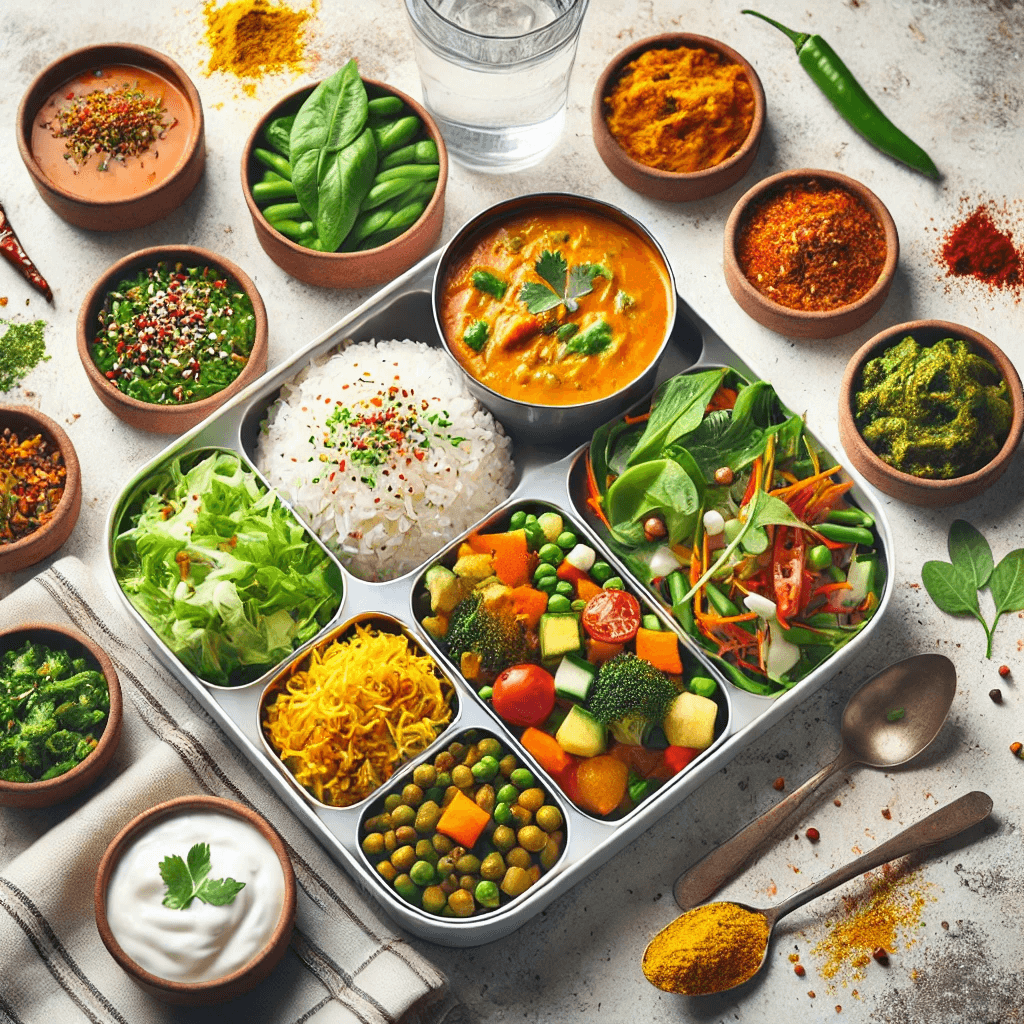
3. Explore Food, Culture & Taste
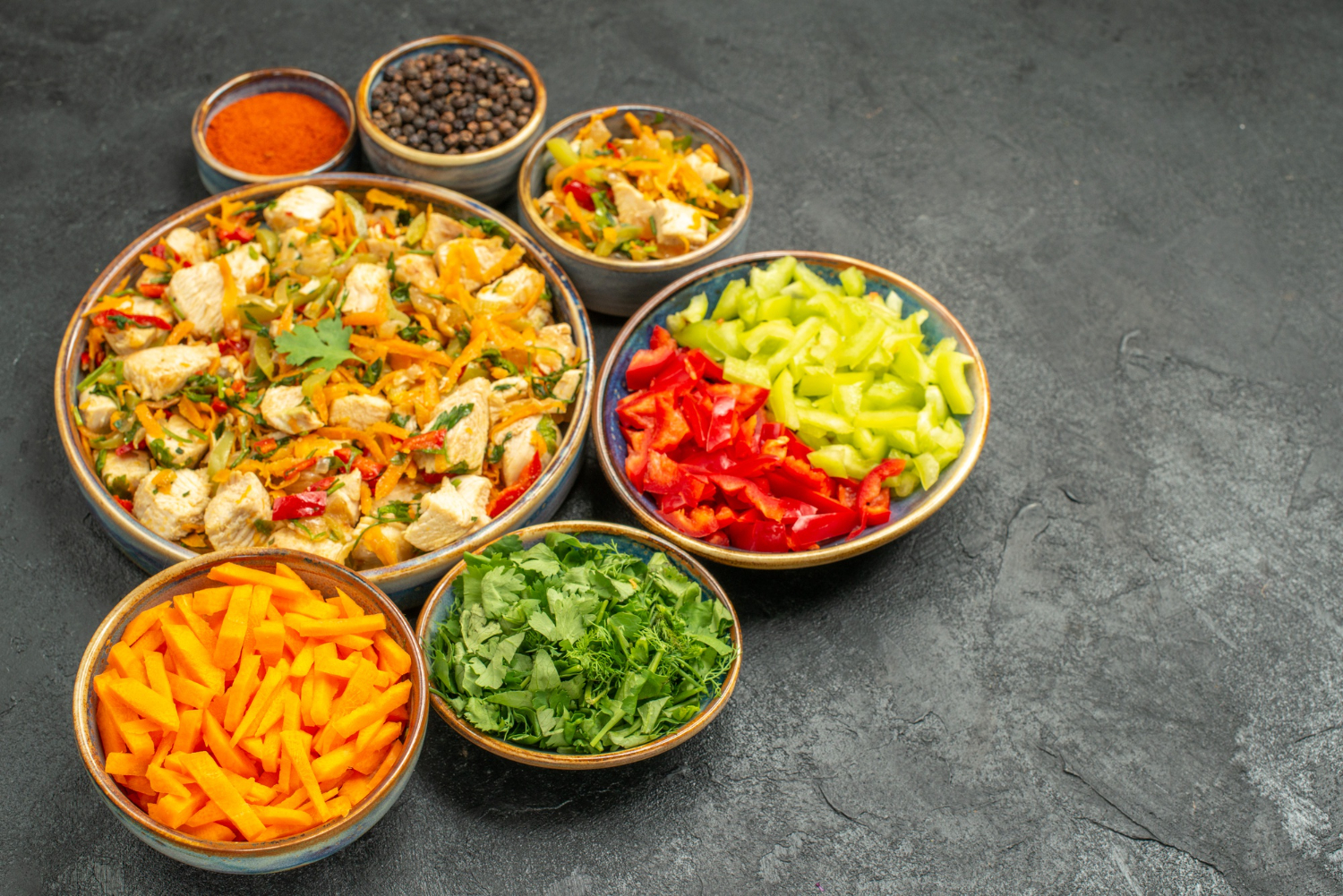
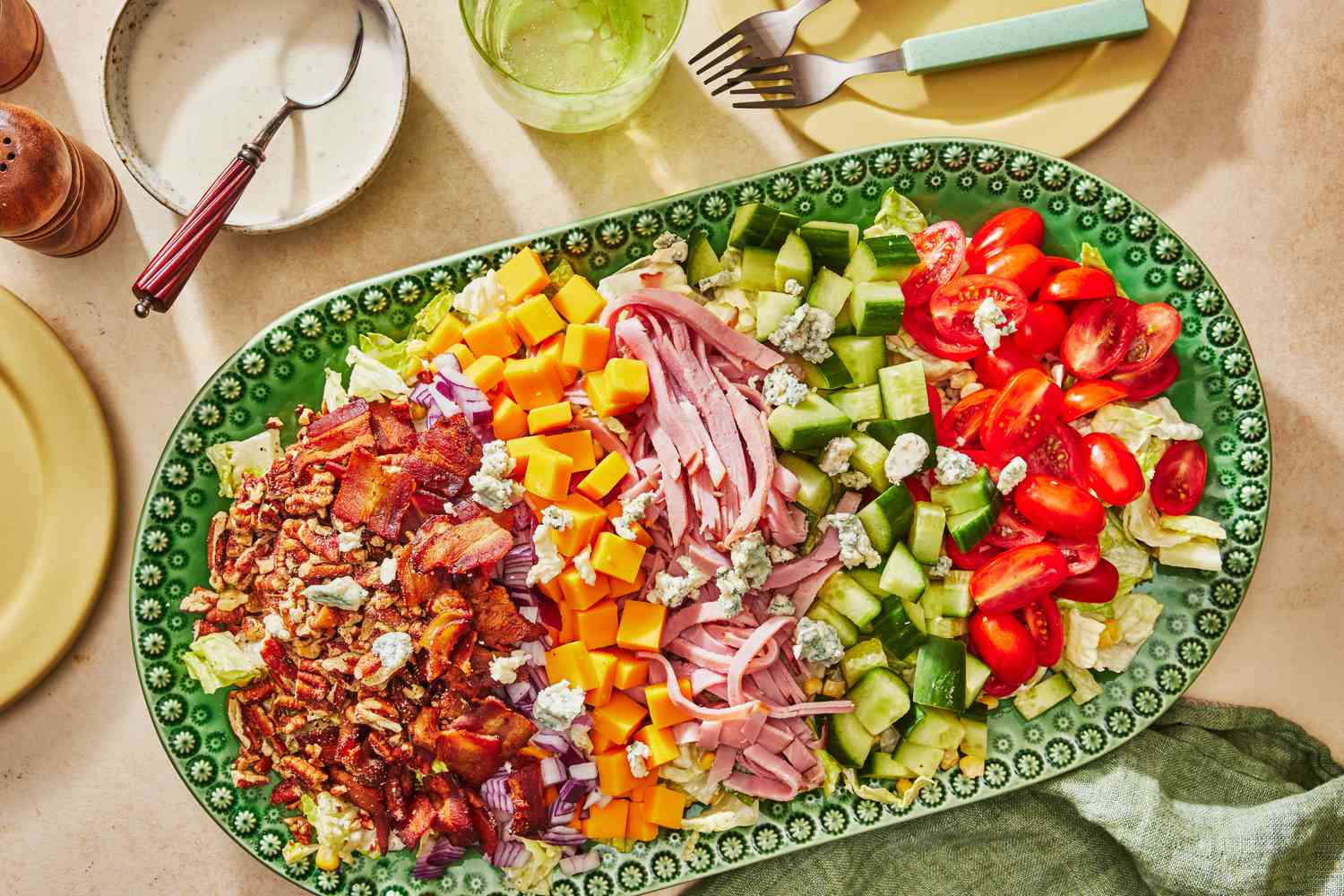
Another thing I want my children to experience is variety in food.Different cuisines, new flavours, and meals from different regions -whether home-cooked or outside.Food is not just about eating. It’s about:
- Culture
- Curiosity
- Openness
Trying new dishes teaches children to step out of their comfort zones, appreciate diversity, and build a healthy relationship with food.Some days we cook together, some days we experiment, and some days we simply explore.
4. Learn One New Skill
Summer is the perfect time to begin something new.It doesn’t have to be big or perfect. It just has to be new.
It could be:
- A sport
- A musical instrument
- A hobby like painting or chess
- Even something simple like basic cooking or gardening
The idea is not mastery -it’s exposure.Because when children try new things, they discover parts of themselves they never knew existed.
5. Polish One Old Skill
While we focus on learning new things, we often forget what our children already know.This summer, along with learning something new, we’re also choosing one skill to improve further.
It could be:
- Improving handwriting
- Practicing a sport they already play
- Getting better at reading or speaking
Growth doesn’t always come from new beginnings.Sometimes, it comes from going deeper into what we already have.
6. Experience Art -Plays & Live Shows
We also plan to watch plays, performances, and live shows.
In a screen-dominated world, live experiences are powerful.When children sit in a theatre, watch a story unfold, and feel emotions in real time -it builds imagination, attention, and emotional depth.It’s a very different kind of learning -one that stays.
A Gentle Reminder for Parents
Summer doesn’t have to be perfect.It doesn’t need to look like a Pinterest board or a packed calendar.What it truly needs is presence, intention, and balance.
A mix of:
- People
- Health
- Experiences
- Learning
- And a little bit of doing nothing too Because sometimes, in the quiet and unplanned moments… children grow the most.
Closing Thought
We often think we need to give our children more.More classes. More structure. More activities.But maybe what they really need is:
- More conversations
- More experiences
- More exposure to life
And most importantly…more of us, fully present in the moment.
Have a meaningful summer 🌿

Ruchira Darda
Ruchira Darda is a certified parenting coach (ACC), NLP Practitioner, author, and the founder of parentwithpurpose.in. She works with families across India through her initiatives WOW, MahaMarathon, and The Yellow Door.