 4 min read
 Why Monopoly Is More Than Just a Board Game: Teaching Children Real-Life Money Skills Through Play
There are some games that never really go out of style. You might have seen it in your own childhood—sitting around a table, colorful money in hand, small tokens moving across a board, and someone proudly saying, “I own this!”

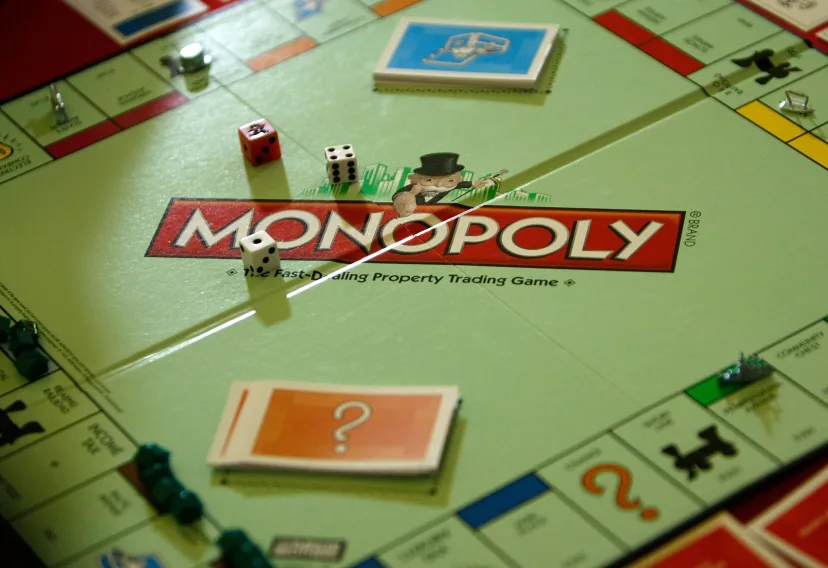
Monopoly is one of those games. But beyond the nostalgia and family fun, Monopoly offers something deeper. It introduces children to real-life concepts in a way that feels natural, engaging, and surprisingly impactful.
In a world where financial understanding is rarely taught early, Monopoly quietly becomes one of the first places where children begin to understand how money, decisions, and consequences work together.
A Game That Mirrors Real Life (In a Child-Friendly Way)
When children start playing Monopoly, they step into a miniature version of the real world. They earn money. They spend it. They invest it. And sometimes… they lose it. At first, it feels like just a game. But slowly, they begin to notice patterns.
They see that buying the right property at the right time makes a difference. They realize that spending everything at once can create problems later. They understand that holding onto money sometimes gives them more control.
These are not forced lessons. They are experienced. And that is what makes them stick.
Understanding Money Beyond Numbers
For many children, money is just something they see adults use. They don’t always understand its value or how it works. Monopoly changes that.
As they play, children begin to connect actions with outcomes. When they pay rent, they feel the loss. When they collect money, they feel the gain. When they run low on cash, they feel the pressure. This emotional connection helps them understand money in a much deeper way than simply counting numbers.
They begin to think:
- “Should I spend now or save?”
- “Is this worth buying?”
- “What happens if I don’t have enough?”
These questions build early financial awareness—something that benefits them for life.
Learning Through Decisions, Not Instructions
One of the most powerful aspects of Monopoly is that it doesn’t tell children what to do. There are no step-by-step guides for winning.
Every turn brings a choice:
- Buy or skip?
- Build or wait?
- Risk or play safe?
And with every choice comes a result. Sometimes the decision works out well. Sometimes it doesn’t. But instead of being corrected, children learn through experience.
They begin to:
- Think before acting
- Reflect on past decisions
- Adjust their approach
This kind of learning builds strong decision-making skills.
The Emotional Side of Winning and Losing
Monopoly is not just about money—it is also about emotions.
There are moments of excitement when a child buys a new property. There are moments of tension when they land on someone else’s expensive space. There are moments of disappointment when they start losing money. And then there are moments of victory. These emotional ups and downs teach children how to handle real-life situations.
They learn that:
- Winning feels good, but it doesn’t last forever
- Losing can happen, and it’s okay
- The situation can change at any moment
Over time, they develop emotional balance. They don’t react as strongly. They don’t give up as quickly. They stay engaged.
The Power of Patience and Long-Term Thinking
Monopoly is not a quick game. It takes time to build properties, earn rent, and grow wealth. There is no shortcut to success. This teaches children something very important:
Progress takes time.
They begin to understand that:
- Good decisions today help tomorrow
- Waiting can be beneficial
- Rushing can lead to mistakes
In a fast-paced world, this lesson is incredibly valuable.
Encouraging Communication and Interaction
Monopoly is not played in isolation. It requires interaction—buying, negotiating, discussing, sometimes even debating.
Children learn how to:
- Express what they want
- Listen to others
- Handle disagreements
These interactions improve communication skills in a natural way. Unlike structured learning, this happens casually, during play. And because it feels relaxed, children are more open and expressive.
Building Confidence Through Ownership
There is something powerful about owning something—even if it’s just within a game. When a child buys a property in Monopoly, they feel a sense of control and responsibility.
They begin to:
- Take pride in their choices
- Feel responsible for their decisions
- Experience the impact of ownership
This builds confidence.
They start to believe:
“I can manage this.”
“I can make decisions.”
And this mindset slowly carries into real life.
A Game That Strengthens Family Bonds
Monopoly has a unique way of bringing people together.
It creates moments of:
- Laughter
- Friendly competition
- Shared experiences
When families sit down to play, they are not just playing a game—they are spending meaningful time together. In busy routines, these moments matter.
Children remember:
- The conversations
- The jokes
- The excitement
More than the result of the game, they remember the feeling of being together.
Why Children Stay Engaged (Even in a Long Game)
You might wonder—how does a long game like Monopoly keep children interested? The answer lies in its unpredictability.
Anything can happen:
- A lucky roll can change everything
- A single decision can shift the game
- A player behind can suddenly come ahead
This keeps children curious. They stay involved because they know the outcome is not fixed.
Supporting Real-Life Skills Without Pressure
Monopoly supports multiple areas of development at once, without making it feel like learning.
Children improve:
- Financial understanding
- Decision-making ability
- Emotional control
- Social interaction
And they do all of this while simply enjoying the game. There is no pressure to perform. No expectation to be perfect. Just play.
What Parents Should Keep in Mind
If you’re introducing Monopoly to your child, a few small adjustments can make the experience smoother. Start with shorter sessions if needed. Let them understand the flow gradually. Avoid focusing too much on winning. Most importantly, keep the environment positive.
The goal is not to create competition—it is to create growth.
Final Thoughts
Monopoly may look like a simple board game, but its impact goes much deeper.
It teaches children how to:
- Understand money
- Make decisions
- Handle emotions
- Interact with others
All in a way that feels natural and enjoyable. In a world where children are often rushed from one activity to another, Monopoly offers something different. It slows things down.
It creates space for thinking, feeling, and connecting. And sometimes, those slow, meaningful experiences are exactly what children need the most. Because in the end, it’s not just about buying properties or collecting money. It’s about preparing children for the real world—one thoughtful decision at a time.

Parent With Purpose
Parent with Purpose is your trusted parenting resource, offering expert advice, practical tips, and real experiences from fellow parents. Our content is organized by your child’s age, from pregnancy to the teen years, ensuring guidance that’s relevant to your current stage. Learn through articles, videos, podcasts, and courses that fit your lifestyle. We also provide carefully curated book lists, meal plans, product recommendations, and India-focused resources to make parenting easier and more informed.