 4 min read
 Why LEGO Is Still the Most Powerful Toy for Creativity, Focus, and Real-Life Skills in Children
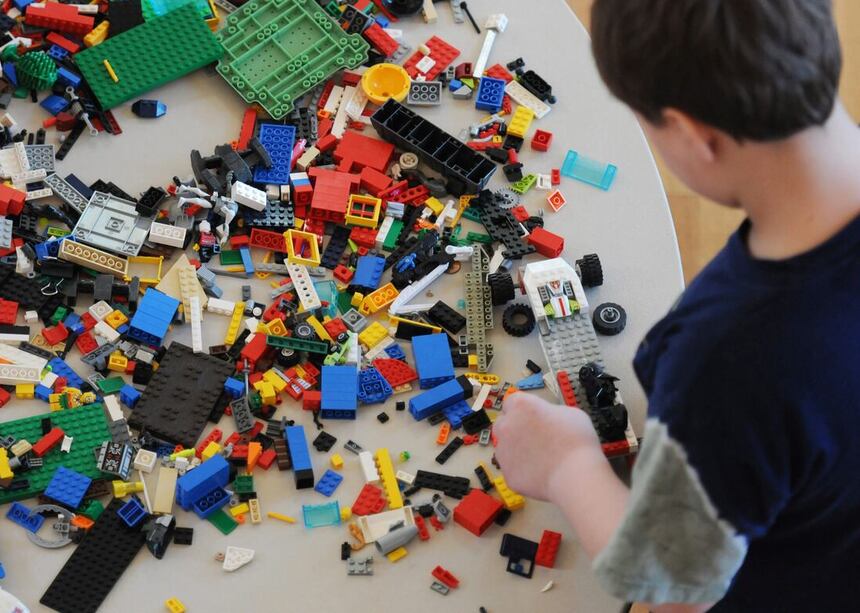
Walk into any home with children, and there’s a good chance you’ll find a few LEGO pieces lying around—sometimes neatly stored, sometimes hiding under a sofa, waiting to surprise your foot. It’s a toy that has quietly stayed relevant across generations.

But what makes LEGO so special? Why do children, even today, get completely absorbed in something as simple as small plastic bricks?
The answer lies in what LEGO allows children to do—not just build structures, but build thinking, patience, imagination, and confidence.
From Pieces to Possibilities
At first glance, LEGO is just a collection of small blocks. There is no sound. No lights. No instructions forcing a specific outcome (unless you choose to follow them). And yet, when a child sits down with LEGO, something powerful begins.
They don’t ask, “What should I do?”
They ask, “What can I create?”
That shift—from following to creating—is where true development starts.
A handful of pieces can turn into:
- A house
- A car
- A castle
- Or something completely new that only the child understands
And that’s the beauty of it. LEGO doesn’t limit imagination. It expands it.
The Quiet Power of Focus
In a world filled with distractions, getting a child to sit in one place and focus can feel like a challenge. But give them LEGO, and watch what happens.
They sit. They observe. They start building. Minutes pass. Sometimes even hours. Without being told, without being forced, children enter a state of deep focus.
They begin to:
- Pay attention to details
- Adjust pieces carefully
- Stay engaged in what they are doing
This kind of concentration is rare—and incredibly valuable. Because once a child learns how to focus deeply on something they enjoy, that ability can carry into studies, hobbies, and real-life tasks.
Learning Through Trial and Error
Not everything built with LEGO works perfectly the first time. A structure may collapse. A piece may not fit the way they imagined. A design might not hold.
And that’s where the learning begins. Instead of giving up, children try again. They adjust. They rebuild. They experiment.
Without even realizing it, they are learning:
- Problem-solving
- Patience
- Persistence
There is no fear of failure here. Because failure doesn’t feel like failure—it feels like part of the process.
Creativity Without Boundaries
Many toys come with fixed outcomes. Press a button, and something happens. Follow steps, and you reach a final result.
LEGO is different. It doesn’t tell children what to create. It invites them to explore. A simple set of blocks can become anything. And every child approaches it differently.
One child may build a city. Another may create a story with characters. Another may focus on patterns and symmetry. There is no right or wrong. And this freedom builds creativity in its purest form.
Building Confidence, One Brick at a Time
There is something deeply satisfying about completing something you built yourself. When a child finishes a LEGO structure, no matter how simple or complex, they feel proud.
They step back and think:
“I made this.”
That feeling matters.
It builds:
- Self-confidence
- A sense of achievement
- Trust in their own abilities
And because they created it independently, the confidence is real and lasting.
A Balance Between Structure and Imagination
LEGO offers two unique ways to play. Children can follow instructions and build something specific. This helps them:
- Understand steps
- Improve attention to detail
- Learn structured thinking
Or they can ignore instructions and create freely.
This helps them:
- Use imagination
- Think independently
- Explore new ideas
This balance is powerful. It allows children to develop both discipline and creativity—two skills that often need to work together in real life.
Developing Fine Motor Skills Naturally
While children are busy building, something else is happening quietly. Their hands are working. Picking small pieces, connecting them, adjusting positions—these actions strengthen fine motor skills.
Over time, children improve:
- Hand-eye coordination
- Grip control
- Precision
These skills are essential for everyday tasks like writing, drawing, and handling objects. And here, they develop without effort—just through play.
Encouraging Independent Play
LEGO is one of those rare toys that doesn’t need constant supervision. Once a child gets involved, they can play independently for long periods.
They:
- Create their own goals
- Explore their own ideas
- Stay engaged without guidance
This independence is important.
It teaches children how to:
- Spend time with themselves
- Think without external direction
- Stay occupied in a meaningful way
For parents, it also creates moments of calm—knowing their child is engaged in something productive.
A Tool for Storytelling and Expression
LEGO is not just about building structures. It often becomes a medium for storytelling. Children create worlds. They imagine characters, situations, and scenarios.
A simple structure can turn into:
- A home with a family
- A spaceship on a mission
- A city with its own story
Through this, children express thoughts and emotions. They communicate ideas that they may not always put into words. This kind of imaginative play supports emotional development and communication skills.
A Break from Digital Overstimulation
Today’s children are surrounded by screens. Fast visuals. Instant rewards. Continuous stimulation. While these may be entertaining, they often reduce attention span and active thinking.
LEGO offers a refreshing contrast. It slows things down.
It requires:
- Hands-on interaction
- Thoughtful engagement
- Active participation
And once children get used to this kind of play, they begin to enjoy it. Because it gives them something screens cannot—the joy of creating something real.
Growing with the Child
One of the most beautiful things about LEGO is that it doesn’t become irrelevant as children grow. Instead, it evolves. Younger children start with simple builds. As they grow, their creations become more detailed, more complex, more thoughtful.
They begin to:
- Plan before building
- Combine ideas
- Create larger structures
The same toy continues to challenge them in new ways.
Strengthening Family Bonds Through Shared Creativity
LEGO is not just for individual play. It can become a shared experience. Families can sit together and build something collectively. There is no competition. No pressure.
Just:
- Collaboration
- Conversation
- Creativity
These moments feel different. They are calm, engaging, and meaningful. And often, they create memories that last longer than the structures themselves.
What Parents Should Keep in Mind
When children play with LEGO, it’s important to give them space. Avoid correcting every mistake. Avoid guiding every step.
Let them:
- Experiment
- Make errors
- Discover solutions
Appreciate their effort, not just the outcome. Because the real value lies in the process, not just the final structure.
Final Thoughts
LEGO may look like a simple toy. But in reality, it is a powerful tool for development.
It helps children:
- Think creatively
- Focus deeply
- Solve problems
- Build confidence
- Express themselves
All through something as simple as connecting pieces. In a world that often pushes children toward passive entertainment, LEGO offers something different. It invites them to create, to think, to imagine.
And sometimes, all a child needs is a few pieces—and the freedom to turn them into something meaningful. Because in the end, it’s not just about what they build with LEGO. It’s about what LEGO builds within them.

Parent With Purpose
Parent with Purpose is your trusted parenting resource, offering expert advice, practical tips, and real experiences from fellow parents. Our content is organized by your child’s age, from pregnancy to the teen years, ensuring guidance that’s relevant to your current stage. Learn through articles, videos, podcasts, and courses that fit your lifestyle. We also provide carefully curated book lists, meal plans, product recommendations, and India-focused resources to make parenting easier and more informed.