 6 min read
 Keep Your Toddler Engaged This Summer (Without Losing Your Mind)
Two months of summer break can feel longer than the entire school year combined—especially when you have a toddler at home. The routine disappears overnight. The structure that once held your day together quietly fades. And suddenly, you’re faced with a small human who has endless energy, a growing mind, and absolutely no concept of “I need a break.”

Most parents respond the same way. They try to fill the day. More toys. More activities. Sometimes, more screen time than they’d like to admit. It feels like the only way to keep things under control.
But here’s the part that often gets missed: toddlers don’t actually need more. They need the right kind of engagement.
The kind that works with their natural curiosity instead of trying to contain it. The kind that doesn’t exhaust you in the process. The kind that quietly supports their development while feeling like simple, everyday play. If you shift your approach even slightly, summer stops feeling like something to “manage” and starts becoming something you can actually enjoy alongside them.
The Real Goal Isn’t “Keeping Them Busy”
There’s a subtle but important difference between a child who is busy and a child who is engaged. Busy looks like distraction. Quick fixes. Activities that hold their attention for a few minutes before they move on. Engaged looks different. It has depth. It holds them longer. It satisfies something internal.
Most toddlers don’t act out because they have too much energy. They act out because that energy has nowhere meaningful to go. When you give them experiences that involve their senses, their hands, and their imagination, something shifts. They settle. Not because they’re tired, but because they’re fulfilled.
And the best part? You don’t need expensive setups or complicated plans to make that happen.
Let Them Create Without Rules
Toddlers are naturally drawn to texture, movement, and mess. It’s how they explore the world. But somewhere along the way, we start controlling that exploration—trying to keep things neat, structured, and purposeful. That’s where a simple “no-rules creation space” changes everything.
It doesn’t have to look like a Pinterest setup. In fact, the simpler it is, the better. A tray. Some flour. A handful of dried pasta. Old paper. Maybe even a few spoons or cups. At first glance, it looks like nothing. But to a toddler, it’s an open invitation.
They touch, pour, mix, scatter, and repeat. There’s no “right way” to do it, which is exactly why it works. Their brain is making connections the entire time—understanding textures, improving hand-eye coordination, and building focus in a way no structured activity can replicate.
You’ll notice something interesting here. They don’t ask for help every two minutes. They don’t look for validation. They’re completely absorbed. That’s the kind of play that gives you breathing space without relying on a screen.
Give Them Something to Care For
Toddlers love to feel important. Not in a loud, attention-seeking way, but in a quiet, meaningful way. When you give them responsibility—real responsibility, not pretend—it changes how they show up.
Growing a tiny kitchen garden is one of the simplest ways to do this. It doesn’t require a backyard. A small cup. A handful of soil. Seeds like methi or pudina. That’s enough. The magic isn’t in the plant itself. It’s in the daily ritual.
Watering becomes their job. Checking on the leaves becomes their habit. They begin to notice changes, even the smallest ones. And slowly, they start understanding something deeper—care leads to growth.
There’s also a surprising side effect. Children who grow something themselves are far more open to tasting it. The same child who refuses greens on their plate might willingly try the ones they’ve nurtured. It stops being about “eat this because it’s healthy” and becomes “this is mine.”
Stories That Do More Than Entertain
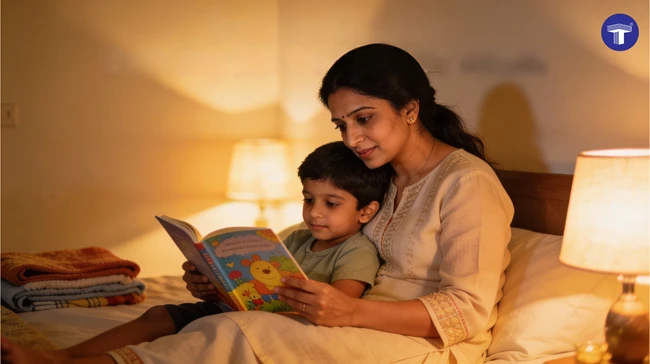
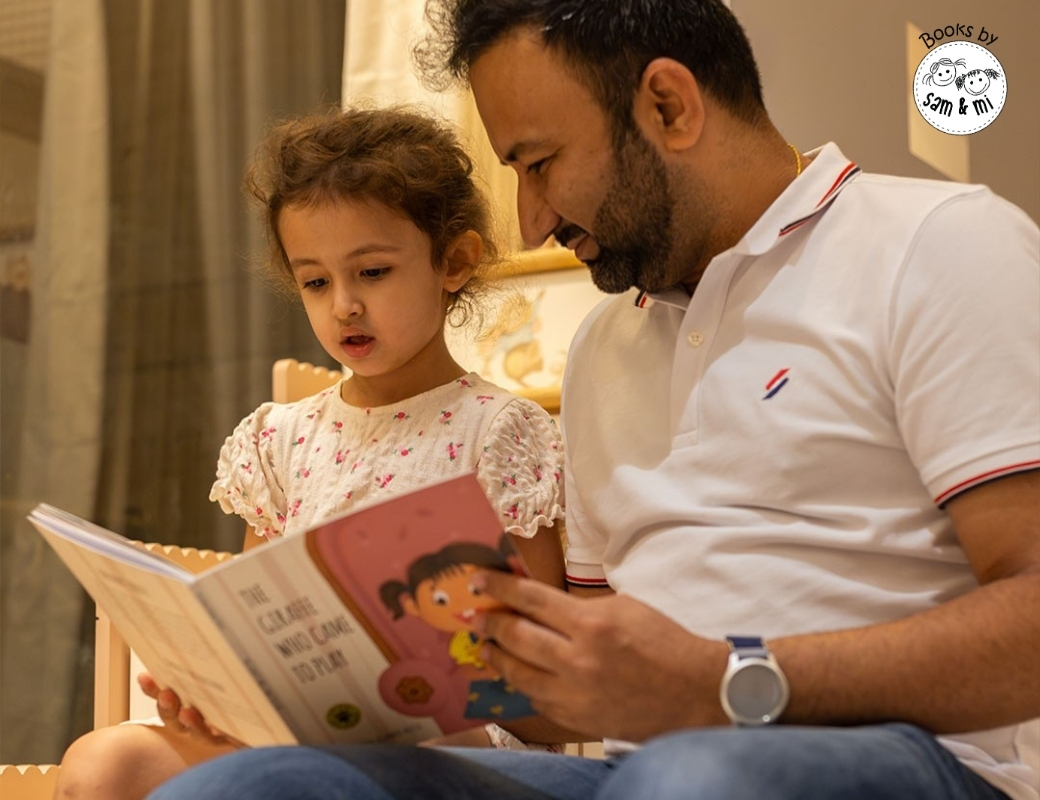
Reading to toddlers is often seen as a bedtime ritual. Something calming. Something routine. But stories, when used intentionally, can become one of the most powerful tools you have. Not because of the story itself, but because of what you do with it.
Classic tales—like Panchatantra or Akbar-Birbal—work beautifully here because they’re simple on the surface but layered underneath. They introduce situations, choices, and consequences in a way toddlers can begin to grasp. The real shift happens when you involve them.
Instead of just reading and moving on, pause and ask a question:
“What do you think will happen next?”
“What would you do?”
At first, the answers might be random. That’s okay. What matters is the process. They’re learning to think, to imagine possibilities, to understand actions and outcomes. Over time, this builds vocabulary, comprehension, and something even more valuable—early moral reasoning. And it only takes ten minutes.
Turn Daily Tasks Into Meaningful Play
One of the biggest misconceptions about engaging toddlers is that it requires separate time, separate activities, separate effort. It doesn’t. Some of the most effective engagement happens inside your everyday routine.
Take the kitchen, for example. It’s often seen as a place where toddlers get in the way. But with a small shift, it becomes one of the richest learning environments. Give them a bowl of water and let them wash dal. Hand them a small piece of dough and let them knead it. It won’t be perfect. It’s not supposed to be.
What they’re gaining in that moment goes far beyond the task. They feel included. They feel capable. Their fine motor skills improve naturally. And most importantly, they stop seeing themselves as someone who needs to be entertained and start becoming someone who participates. For you, it means fewer interruptions. For them, it means a stronger sense of belonging.
The Quiet Power of Water Play
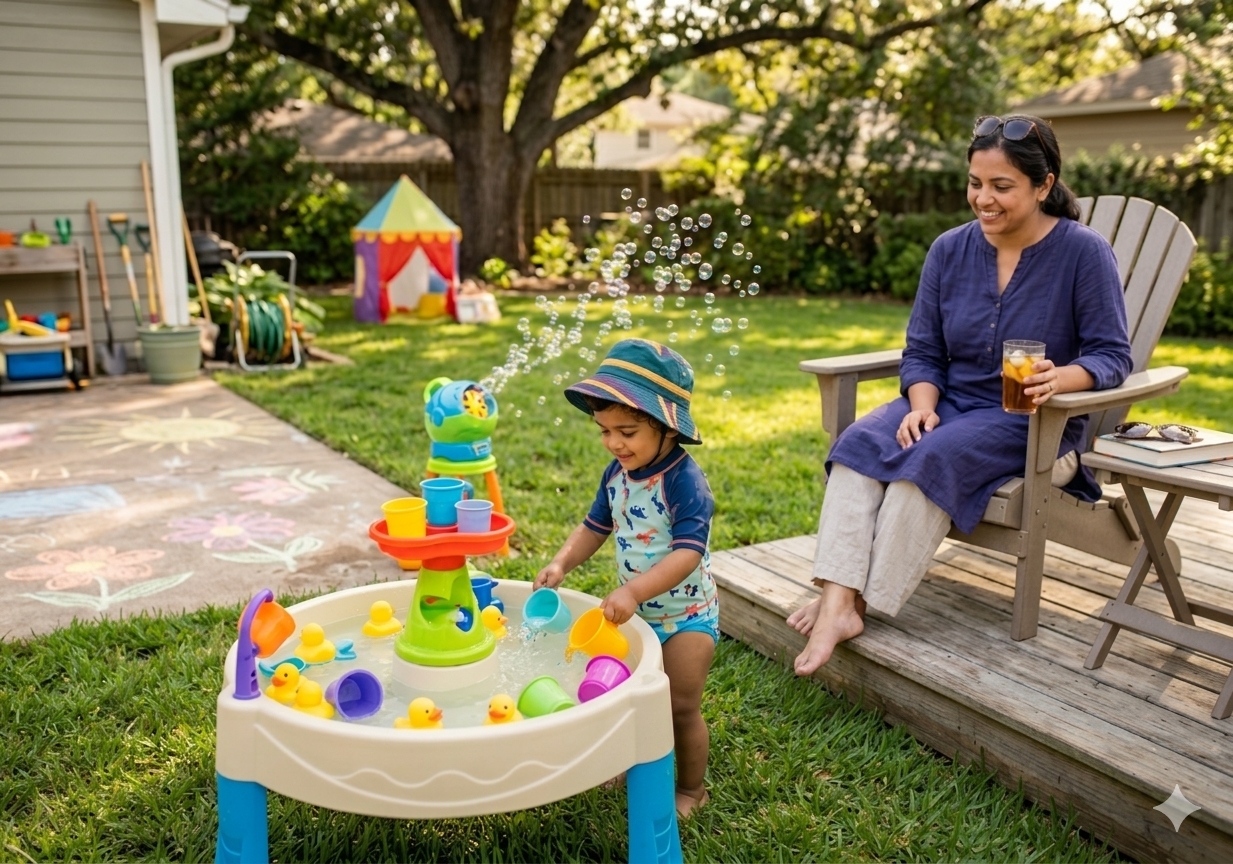
There’s a reason water instantly captures a toddler’s attention. It’s predictable yet endlessly interesting. Pouring, spilling, filling, emptying—it never gets boring.
A simple tub with water, a few cups, maybe a spoon or two—that’s all it takes. No fancy setup required. What makes water play so effective isn’t just the sensory aspect. It’s the calm it brings. There’s a rhythm to it. A repetition that soothes their nervous system while still engaging their mind.
You’ll often notice this becomes your quietest part of the day. Not because they’re forced to sit still, but because they’re genuinely immersed.
Let Their Imagination Take the Lead
Toddlers don’t need structured games to play. In fact, too much structure can limit them. Give them a few everyday objects—empty boxes, old containers, maybe a couple of packets—and watch what happens.
A shop appears. Roles are assigned. Conversations begin.
Suddenly, they’re not just playing. They’re thinking, negotiating, imagining. You become the customer. They become the shopkeeper. And in that simple exchange, they’re building social understanding, language skills, and confidence. This kind of play doesn’t require instructions. It requires space.
Why This Approach Works (And Feels Easier)
When you look at all of this together, a pattern starts to emerge. None of these activities are complicated. None require money. None demand hours of planning. What they do require is a shift in perspective.
Instead of asking, “How do I keep my child busy today?”
You start asking, “How do I give my child meaningful experiences today?”
That one change removes a lot of pressure. You stop trying to constantly entertain. You start creating small opportunities throughout the day. And those small moments add up in ways that are both visible and lasting.
Your child becomes more settled. More independent. More engaged. And you feel less exhausted trying to keep up.
Summer Doesn’t Have to Feel Overwhelming
It’s easy to look at these two months as something to get through. To count down the days until school starts again. But this phase—this age—it doesn’t repeat.
The curiosity, the imagination, the way they light up over the smallest things—it evolves quickly. You don’t need to fill every moment perfectly. You don’t need to do everything right.
What matters is this:
Are you giving them experiences that allow them to explore, to think, and to feel involved in the world around them?
Because those are the moments they carry forward. Not the expensive toys. Not the perfectly planned activities. Just the simple, everyday interactions that made them feel engaged and understood.
A Thought to Leave You With
The most powerful part of parenting isn’t in the big decisions. It’s in the small, repeated choices you make every single day.
A tray of flour. A tiny plant. A short story. A bowl of water.
They may seem insignificant in the moment. But over time, they shape how your child learns, thinks, and connects with the world. And often, the simplest things end up making the biggest difference

Parent With Purpose
Parent with Purpose is your trusted parenting resource, offering expert advice, practical tips, and real experiences from fellow parents. Our content is organized by your child’s age, from pregnancy to the teen years, ensuring guidance that’s relevant to your current stage. Learn through articles, videos, podcasts, and courses that fit your lifestyle. We also provide carefully curated book lists, meal plans, product recommendations, and India-focused resources to make parenting easier and more informed.