 6 min read
 How to Keep Your 6–12 Year Old Productive This Summer (Without Turning Into the “Screen Police”)
Summer arrives quietly at first. A few extra hours in the day. A slightly slower morning. Then, almost overnight, the structure disappears. No school bell. No homework deadlines. No fixed routine pulling the day forward.

For children between six and twelve, this shift feels like freedom. For parents, it often feels like a loss of rhythm.
You start noticing the small changes. Later wake-ups. Longer stretches of idle time. A growing dependence on screens—not always out of habit, but because nothing else is demanding their attention. And that’s where most families get stuck.
The instinct is to control it. Set stricter rules. Limit screen time. Fill the schedule with activities. But control rarely builds consistency. It creates resistance. What actually works is quieter, more sustainable—and far more effective. Instead of trying to manage their time, you start shaping how they use it.
The Goal Isn’t to Keep Them “Busy.” It’s to Make Them Capable.
There’s a subtle shift that happens around this age. Children are no longer just exploring the world—they’re starting to understand it. They’re asking better questions. Making small decisions. Noticing outcomes.
This is the stage where habits begin to form. Not just academic habits, but life habits. The way they approach problems. The way they handle responsibility. The way they spend unstructured time.
If summer becomes a season of passive consumption—scrolling, watching, waiting to be entertained—it quietly teaches them that free time is something to fill. But if summer becomes a space for creation, responsibility, and independent thinking, it teaches them something far more valuable. That time is something they can use.
Give Them Space to Build, Not Just Play
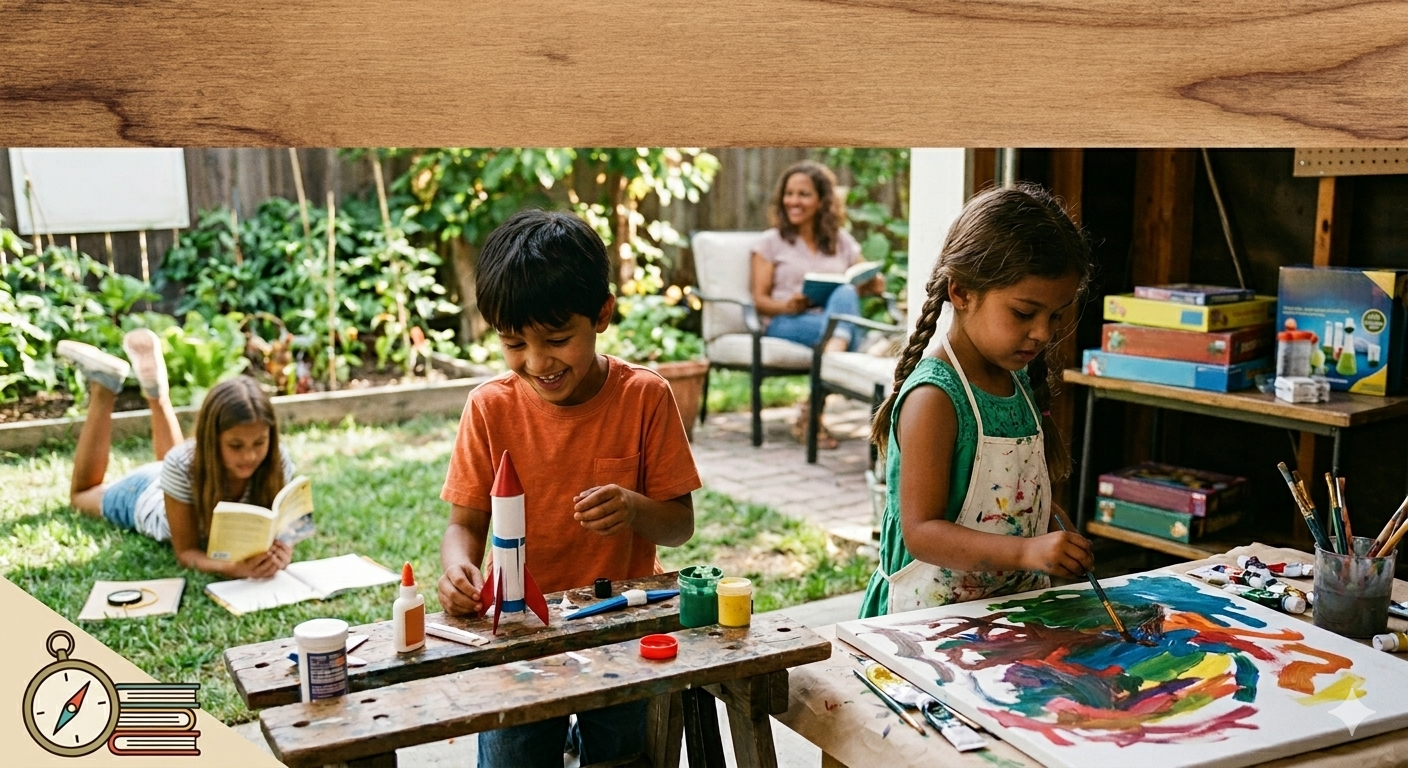
At this age, children don’t outgrow play—they evolve it. They move from simple imagination to construction. From pretend scenarios to real problem-solving. They begin to enjoy the process of making something from scratch.
This is where an “inventor’s corner” becomes powerful.
It doesn’t need to look impressive. A stack of cardboard. Some tape. Old containers. Maybe a piece of string. That’s enough to begin. What matters is the absence of rules.
When there’s no fixed outcome, they’re forced to think. How do I make this stand? Why is this falling? What if I try something else?
This kind of unstructured creation builds something school often cannot—persistence. They learn that things don’t work the first time. That frustration is part of the process. That solutions come from trying again, not from being told what to do.
And once they experience that satisfaction—the moment something finally works—they begin to seek it out. That’s how independent thinking starts.
Responsibility Changes How They See Themselves
Children between six and twelve are at a stage where they want to feel capable. Not just included, but trusted. Giving them responsibility is not about getting help. It’s about giving them ownership.
Something as simple as a small garden patch can do this beautifully. A pot of tomatoes. A few chili plants. Something that grows slowly, visibly, and requires consistent care.
The rule is simple: it’s theirs.
They water it. They check the sunlight. They notice changes. And most importantly, they deal with the consequences. If they forget, the plant reacts. If they stay consistent, it thrives.
There’s no lecture required. The lesson is built into the experience. Over time, this does something subtle but powerful. It shifts how they see effort. Instead of effort being something imposed—homework, instructions, reminders—it becomes something they choose. And when children start choosing effort, everything changes.
Move From Reading to Thinking
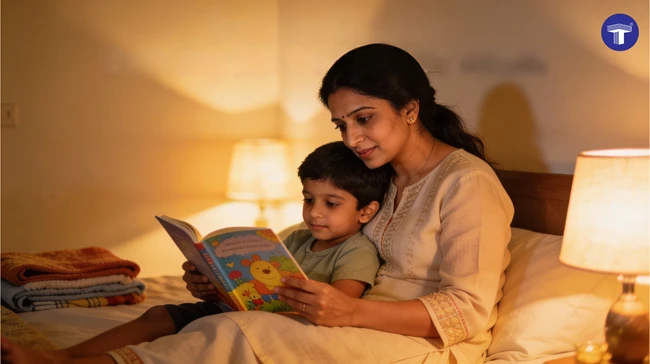
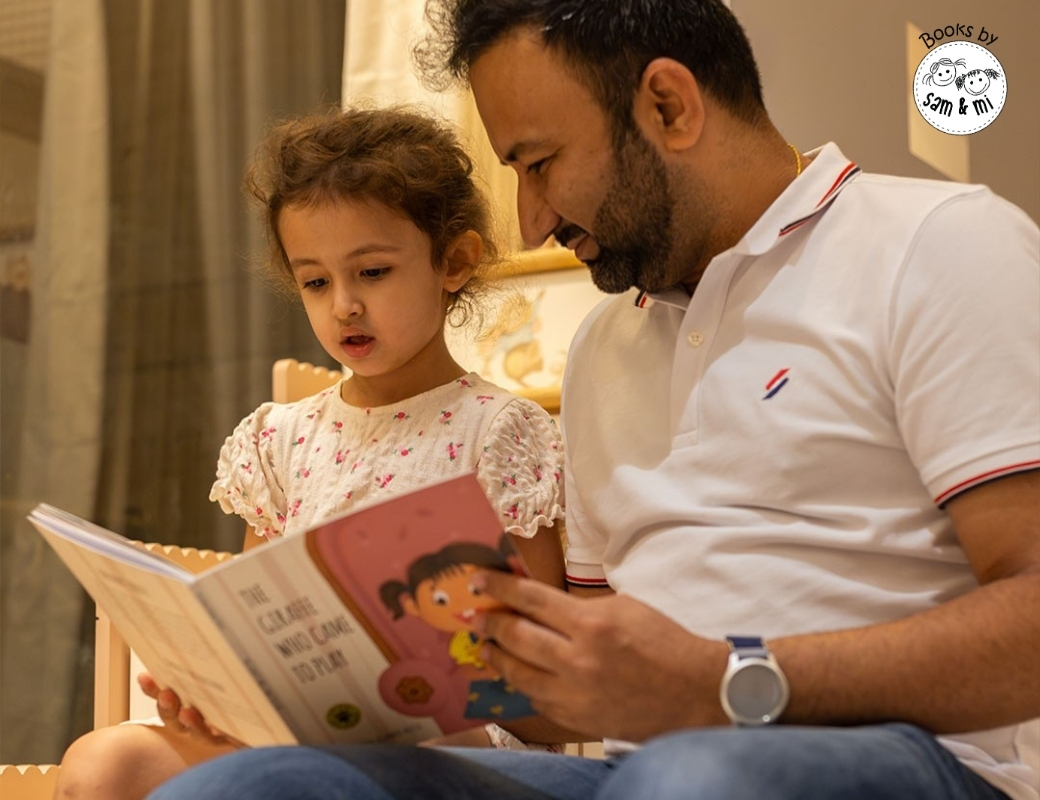
By this age, most children can read on their own. That’s often where parents step back. But reading alone is only half the opportunity.
Stories—especially those rooted in wit and wisdom—can become tools for thinking, not just understanding. Characters like Tenali Raman or Birbal are perfect for this stage. Their stories are built around cleverness, problem-solving, and moral decisions.
But the real value doesn’t lie in the story itself. It lies in the conversation that follows.
“What would you have done differently?”
“Do you think that was the smartest solution?”
“Was it fair?”
These questions do more than test comprehension. They invite perspective.
Children begin to realise that problems can have multiple solutions. That thinking matters. That their ideas have value. Over time, this builds a habit of reflection—a skill that quietly influences how they approach challenges in school, friendships, and beyond. And it only takes a few minutes a day.
The Kitchen Is More Than Just a Place to Eat
By the time children reach this age, they’re ready to contribute in real ways. Not symbolic tasks. Not “pretend help.” Actual participation.
The kitchen becomes one of the best places to introduce this. Rolling a chapati. Stirring curd for lassi. Cutting soft vegetables with supervision. Preparing a simple salad.
These aren’t just chores. They’re life skills. More importantly, they change the child’s role within the family. They move from being someone who is served to someone who contributes.
This shift builds confidence in a way praise never can. Because confidence doesn’t come from being told “good job.” It comes from knowing, I can do this. And over time, that belief starts showing up in other areas—schoolwork, social situations, decision-making.
Rethink “Free Time”
One of the biggest challenges parents face during summer is unstructured time. The instinct is to fill it. Classes, activities, schedules.
But children also need space. Not empty space—but open space. The kind where they decide what to do. This is where independent play becomes essential.
At first, it might look like boredom. They’ll say they have nothing to do. They’ll ask for a screen. They’ll look for direction. If you step in too quickly, they never move past that phase. But if you give them a little time, something interesting happens. They begin to create.
A game. A system. A small project. Something entirely their own. You can support this by giving them simple tools.
A tub of water with measuring cups becomes a science experiment. They start noticing volume, weight, and movement without calling it “learning.” A few household items can turn into a “museum” or a “shop.” They organise, label, assign value, and create structure.
This is where imagination meets logic. And this is where children begin to enjoy their own company—something that becomes incredibly valuable as they grow.
Why This Approach Feels Different (And Works Better)
When you step back and look at these ideas, a pattern becomes clear. None of them rely on control. None depend on constant supervision. None require expensive resources. What they do require is intention.
You’re not filling time. You’re shaping experiences. You’re not trying to eliminate screens entirely. You’re making real-world engagement more appealing. You’re not forcing productivity. You’re creating an environment where it happens naturally.
And because of that, the resistance disappears. Children don’t feel managed. They feel trusted. And when children feel trusted, they tend to rise to that expectation.
The Long-Term Impact Is Subtle, But Significant
It’s easy to measure productivity in visible ways. Worksheets completed. Skills learned. Tasks finished. But the most important outcomes of this phase are not immediately visible.
It’s the child who starts trying to fix something before asking for help. The child who takes initiative without being reminded. The child who begins to think through a problem instead of avoiding it.
These shifts are quiet. They don’t happen overnight. But they build over time, through small, repeated experiences. And summer, with all its open space, becomes the perfect environment for that growth.
You Don’t Need a Perfect Plan
There’s a pressure that often comes with parenting advice—the idea that you need to get everything right. You don’t. You don’t need a perfectly structured schedule. You don’t need to implement every idea.
What matters is direction.
Are you moving toward more independence?
More responsibility?
More thinking?
If the answer is yes, even in small ways, you’re on the right path.
A Final Thought
Children between six and twelve are standing at an interesting threshold. They’re no longer toddlers, but they’re not yet teenagers. They’re forming habits, beliefs, and patterns that will carry forward into the next stage of their life.
How they spend their unstructured time now matters more than it seems. Because it teaches them something fundamental:
Whether time is something that slips away… or something they can shape.
And often, the difference comes down to the simplest choices. A cardboard box. A small plant. A question after a story. A task in the kitchen. Nothing dramatic. Nothing complicated.
But over time, these moments build something far more valuable than a “productive summer.” They build a child who knows what to do with their time—even when no one is telling them how.

Parent With Purpose
Parent with Purpose is your trusted parenting resource, offering expert advice, practical tips, and real experiences from fellow parents. Our content is organized by your child’s age, from pregnancy to the teen years, ensuring guidance that’s relevant to your current stage. Learn through articles, videos, podcasts, and courses that fit your lifestyle. We also provide carefully curated book lists, meal plans, product recommendations, and India-focused resources to make parenting easier and more informed.