 3 min read
 Sports Nutrition for Kids: A Complete Guide to Fueling Young Athletes
As a nutritionist specializing in sports nutrition, I've worked with young athletes ranging from shooting competitors to Ironman participants. The foundation of athletic success in children isn’t just about training—it’s about strategic nutrition that supports growth, performance, and recovery. This comprehensive guide covers everything parents and coaches need to know about sports nutrition for kids, from macronutrients to hydration and emotional wellbeing.

Understanding the Role of Macronutrients
Carbohydrates - The Primary Energy Source
Carbohydrates are the fuel that powers young athletes through their activities. The key is understanding when to use simple versus complex carbs:Simple Carbohydrates (honey, fruit juice, dried fruits) provide quick energy and should be consumed around activity times, 30 minutes before or during shorter sessions under 1 hour. These rapid-absorbing carbs prevent energy dips and maintain performance intensity.
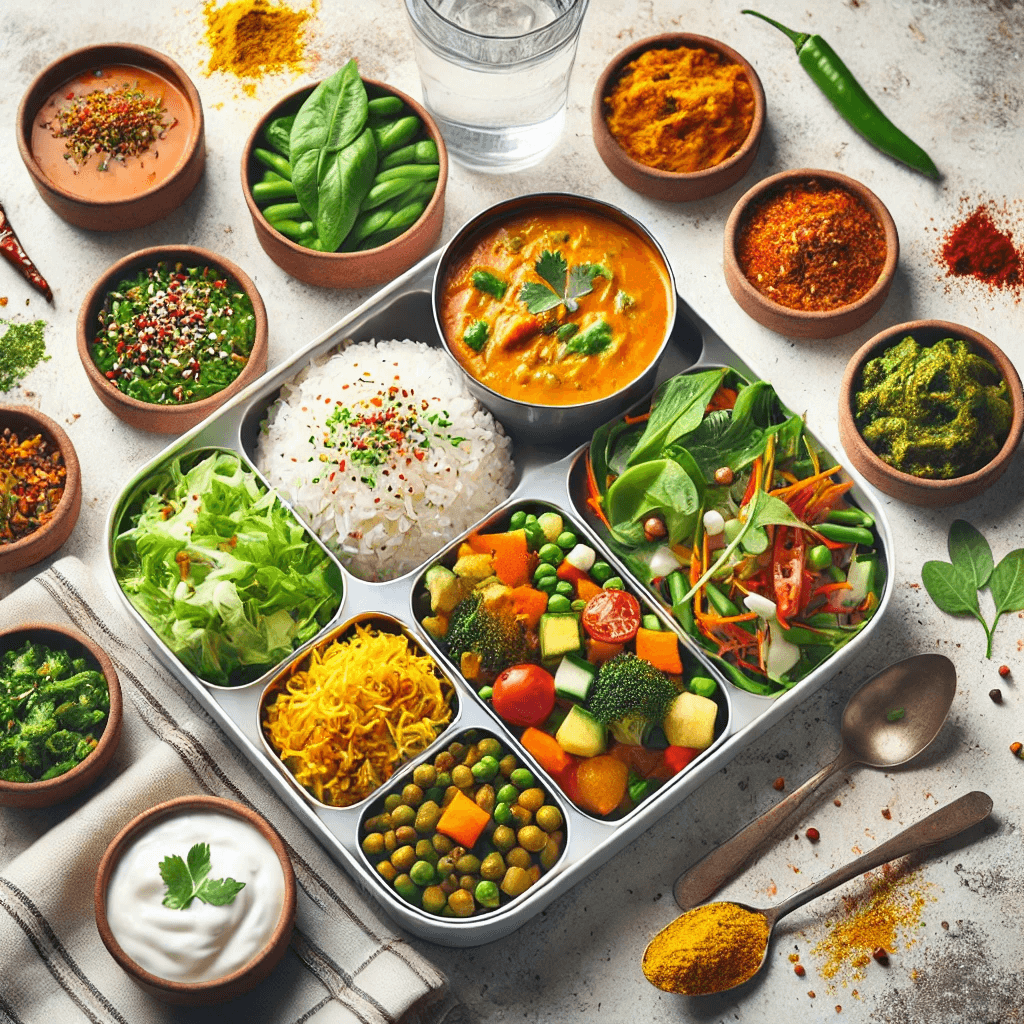
Complex Carbohydrates (whole grains like brown rice, oats, millets; tubers like potatoes, sweet potatoes) form the foundation of main meals. They provide sustained energy release, supporting longer training sessions and optimal glycogen storage. This means prioritizing khichdi, dal-rice, rajma-chawal, and whole grain rotis as base meals.
Protein - Building and Repairing Muscles
Protein is essential for muscle repair and optimizing glycogen storage. For young athletes, we categorize protein sources into two classes:First-Class Proteins are complete proteins containing all essential amino acids: milk, paneer, eggs, chicken, and fish. These should be paired with healthy fats like ghee or cold-pressed oils for better absorption. A simple rule: include one first-class protein source in at least 2 meals daily.
Second-Class Proteins are plant-based sources: pulses, beans, tofu, and nuts. These must be paired with carbohydrates to become "complete" proteins. Classic Indian combinations like dal-rice, rajma-chawal, and khichdi naturally achieve this balance. For vegetarian families, these combinations are non-negotiable for optimal nutrition.
Healthy Fats - Supporting Energy and Nutrient Absorption
Healthy fats shouldn't be feared-even in young athletes. Prioritize ghee and cold-pressed oils (coconut, mustard, groundnut) over refined oils. Include a handful of nuts and seeds daily: almonds, walnuts, pumpkin seeds, or flaxseeds. These provide essential fatty acids, support hormone production, and enhance nutrient absorption from other foods.
Micronutrients and the "Food First" Principle
The 5-Serving Rule
Young athletes need 5 servings of raw food daily: 3 fruits and 2 salads. This ensures adequate micronutrient intake - vitamins, minerals, and antioxidants that support recovery and immunity.
Supplements - When Are They Necessary?
- The food-first approach is critical for children under 12. Supplements are generally not required and may even be harmful. Exceptions exist only for medically confirmed deficiencies:
- Vitamin B12: For vegetarian/vegan children with low intake
- Vitamin D3: For children with documented deficiency or limited sun exposure
Smart Supplementation Guidelines
- Introduce supplements post-puberty only
- Girls: Focus on vegan protein if needed
- Boys: Vegan protein or whey isolates are appropriate
- Avoid commercial energy/sports drinks for younger children due to caffeine content
Natural Alternatives During/After Sports -
- Lemon water + glucose + salt (homemade electrolyte drink)
- Coconut water + lemon (excellent for electrolytes and hydration)
- Chocolate milk within 30 minutes post-exercise (optimal recovery: fluids + whey protein + leucine)
Hydration - The Critical Factor
Calculating Daily Water Requirements
Use this practical formula for children:
Formula:
- Take weight (kg) and divide by 2
- Add a decimal point to that result
- Add 500ml extra
- Example: 20 kg child
- 20 ÷ 2 = 10, Add decimal: 1.0 L
- Add 500ml: 1.0 + 0.5 = 1.5 L/day
This formula works well for children weighing 15-25 kg (typical school-age athletes).
Hydration During Activity
- Under 1 hour: Water is sufficient
- Over 1 hour intense activity: Coconut water, milk, or homemade electrolyte drinks
- Post-exercise: Chocolate milk within 30 minutes is the gold standard for recovery
Recovery and Sleep: The Non-Negotiables
Night Sleep
Children need 7-8 hours of sound sleep nightly. Sleep is when muscle repair, hormone production, and growth occur. Poor sleep directly impacts performance, immunity, and recovery.
Day Rest
Implement 30-45 minutes post-exercise rest after training:
Quiet nap
Meditation
Shavasana (corpse pose)
This active recovery period allows heart rate normalization, reduces inflammation, and prepares the body for the next session.
Emotional Wellbeing: The Hidden Performance Factor
Sports nutrition isn't just physical, also it's psychological. Young athletes thrive with Strong Support Systems,
Positive bonds between child, parent, and coach
** encouragement** over criticism
Process-focused feedback rather than outcome-only pressure
Sports Psychology Principles
- Build mental strength through resilience training
- Develop confidence through small, achievable goals
- Practice visualization and breathing techniques
- Teach stress management before competition
Research shows that emotional wellbeing directly impacts physical performance, recovery speed, and long-term athletic adherence.
Practical Meal Timing for Young Athletes
- Pre-Activity (30 minutes before)
Light snack: fruit, dried dates, or honey on toast
- Pre-Activity (3-4 hours before)
Full meal: complex carbs + protein + healthy fats
- During Activity (if >1 hour)
Water or homemade electrolyte drink
Small fruit snack if energy dips
- Post-Activity (within 30 minutes)
Chocolate milk or yogurt + fruit
15-20g protein + carbs for recovery
- Evening Meal
Balanced: complex carbs + protein + vegetables
- Support overnight recovery and growth
Conclusion: A Holistic Approach
- Sports nutrition for kids requires balancing physical fueling with emotional support. The foundation is simple:
- Whole foods first-no supplements under 12 unless medically necessary
- Smart carb timing-simple around activity, complex in meals
- Quality proteins-combine 1st and 2nd class sources strategically
- Healthy fats-ghee, cold-pressed oils, nuts, and seeds daily
- Hydration-calculate needs and replenish with natural alternatives
- Recovery-prioritize sleep and post-exercise rest
- Emotional wellbeing-build resilience through positive relationships
This means embracing traditional combinations like dal-rice, khichdi, and fresh fruits while avoiding processed sports drinks. The goal isn't just athletic performance, it's building lifelong healthy habits that support growth, immunity, and overall wellbeing. Every young athlete, from shooting competitors to marathon runners, needs this foundation to thrive.
Rashmi Gaurav Somani ( MS RD )
Clinical Nutritionist & Obesity Mgt Consultant
Nutricure