 3 min read
 Cow’s Milk: Good or Bad for Kids? A Complete Guide for Parents
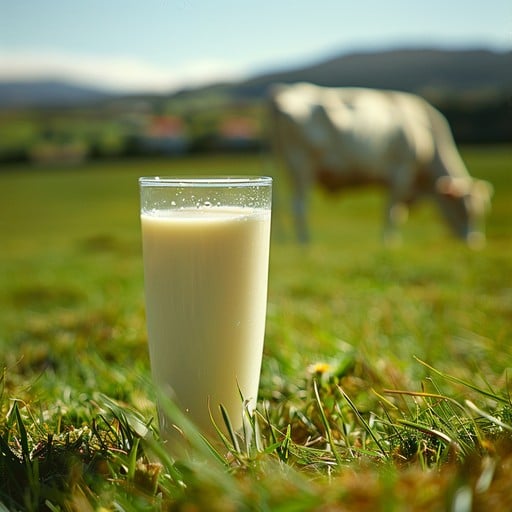
Cow’s milk is one of the most debated foods in child nutrition. For many parents, it’s a daily staple—poured into breakfast bowls, mixed into smoothies, or served as a bedtime drink. But is cow’s milk truly good for kids, or does it carry hidden risks? The answer depends on age, quantity, and how it fits into the overall diet. Cow’s milk is good for children after age 1 when consumed in moderation, but it is bad for infants under 12 months and can cause health problems if given in excess.

Why Cow’s Milk Should Not Be Given Before Age 1
The American Academy of Pediatrics and CDC strongly recommend avoiding cow’s milk before 12 months. Infants under one year have developing kidneys and digestive systems that cannot handle cow’s milk’s high protein and mineral content. Cow’s milk can cause intestinal bleeding, overload the kidneys, and fails to provide enough essential nutrients like iron, vitamin E, and fatty acids that babies need. Instead, infants should drink breast milk or infant formula as their primary nutrition source until age 1.
The Nutritional Benefits of Cow’s Milk for Kids
- Once children cross the one-year milestone, cow’s milk becomes a powerful nutritional tool. It is naturally rich in:
- Calcium: Critical for building strong bones and teeth
- Protein: High-quality protein supports muscle growth and tissue repair
- Vitamin D: Often added to milk, helps calcium absorption and bone health
- Vitamin B12: Essential for nerve function and red blood cell formation
- Potassium: Supports heart and muscle function
For growing children, these nutrients are foundational. Cow’s milk represents one of the most important sources of high-biological-value protein and calcium in a child’s diet, directly supporting linear growth and bone mineralization.
Cow’s Milk and Brain Development
Whole milk plays a special role in early brain development. Children under age 2 need dietary fats for rapid brain growth and nervous system development. Whole milk contains about 3.25% fat, providing healthy fats that support brain structure and function. Skimmed or low-fat milk does not provide enough fat for this critical period, so whole milk is recommended until age 2.
Important Risks and Concerns Parents Must Know
Cow’s Milk Protein Allergy
Approximately 2–3% of young children develop cow’s milk protein allergy. Symptoms include rashes, vomiting, diarrhea, wheezing, and sometimes severe allergic reactions. Children with this allergy need to avoid cow’s milk completely and may try fortified soy milk as an alternative under medical guidance.
Iron Deficiency Anemia
One of the most common problems is iron deficiency. Cow’s milk contains very little iron, and when children drink too much, it displaces iron-rich foods from their diet. Milk also contains calcium and casein, which can interfere with iron absorption. Experts recommend limiting milk to 200–480 ml (1–2 cups) per day for toddlers to prevent anemia.
Lactose Intolerance
Some children cannot digest lactose, the sugar in milk. This leads to gas, bloating, diarrhea, and abdominal cramps. Lactose intolerance becomes more common after age 5 and is especially prevalent in certain ethnic groups. Children with this condition may need lactose-free milk or alternative beverages.
Weight and Obesity Concerns
Whole milk is calorie-rich (about 150 calories per cup), which helps underweight children gain weight safely. However, excessive milk consumption without balancing physical activity can contribute to childhood obesity. Parents should monitor total calorie intake and ensure milk complements, rather than replaces, a varied diet.
Hormone and Antibiotic Worries
In India, many parents worry about hormones and antibiotics in commercially processed milk. To address these concerns, many families choose local A2 cow milk or fresh buffalo milk, which are perceived as more natural and authentic. A2 milk contains a different form of beta-casein protein that some believe is easier to digest.
Too much milk reduces appetite for other foods and increases risk of iron deficiency. Too little milk may mean missing out on key nutrients. The goal is balance.
Milk Alternatives for Children Who Can’t Drink Cow’s Milk
For children with allergies, intolerance, or family preferences, alternatives exist:
- Soy milk
- Seed milk (sesame seed / sunflower seed / pumpkin seed / watermelon seed / muskmelon seed / Hemp seed)
- Almond milk
- Buffalo milk
The Bottom Line: Balance Is Key
Cow’s milk is good in moderation with a diverse diet but bad if it replaces other nutrient-rich foods. For most children after age 1, it’s a valuable source of essential nutrients that support growth, bone health, and brain development. However, parents must limit quantity, choose appropriate fat levels by age, and ensure milk doesn’t crowd out iron-rich foods like lentils, vegetables, eggs, and meats.
Rashmi Gaurav Somani ( MS RD )
Clinical Nutritionist & Obesity Mgt Consultant
Nutricure