 3 min read
 Why Protein Matters in Early Childhood: A Guide for Parents
Proteins are essential nutrients made of amino acids — the microscopic building blocks that construct the body’s tissues and keep its systems running. For infants and young children, protein does much more than build muscle: it supports rapid physical growth, fuels brain development, strengthens the immune system, and helps produce the enzymes and hormones needed for everyday function. Because growth is fastest during the first few years of life, protein needs are proportionally higher in early childhood than at any other stage.

How Protein Supports Growing Children
- Growth and body composition: Protein provides the amino acids required to form new cells and tissues. During infancy and early childhood, children add height, weight, muscle and organ tissue quickly; adequate protein intake ensures that this growth is healthy and proportionate.
- Brain development and learning: Several amino acids are precursors for neurotransmitters such as dopamine, serotonin and acetylcholine. These chemicals are central to brain signaling, attention, mood and learning. Suboptimal amino acid availability during critical windows of brain development can affect cognitive outcomes later in life.
- Immune function: Proteins make up antibodies and many immune cells. Adequate protein intake helps children mount effective immune responses, reduce the frequency and severity of infections, and recover faster when ill.
- Tissue repair and metabolic regulation: Beyond growth, protein continually repairs worn tissues and supports the production of enzymes and hormones that regulate digestion, metabolism and growth itself.
Recommended Protein Intake by Age
Protein needs vary with age and body weight. Approximate daily targets commonly used are:
- 0–6 months: 9–10 g/day (breast milk is the main source)
- 7–12 months: 11–12 g/day
- 1–3 years: 13 g/day
- 4–6 years: 19–20 g/day
These are general guidance, individual needs vary according to growth rate, activity level, health status and body size. Breastfeeding mothers should continue breastfeeding on demand during the first year and beyond, paired with appropriate complementary foods after six months.
Best food sources and how to combine them
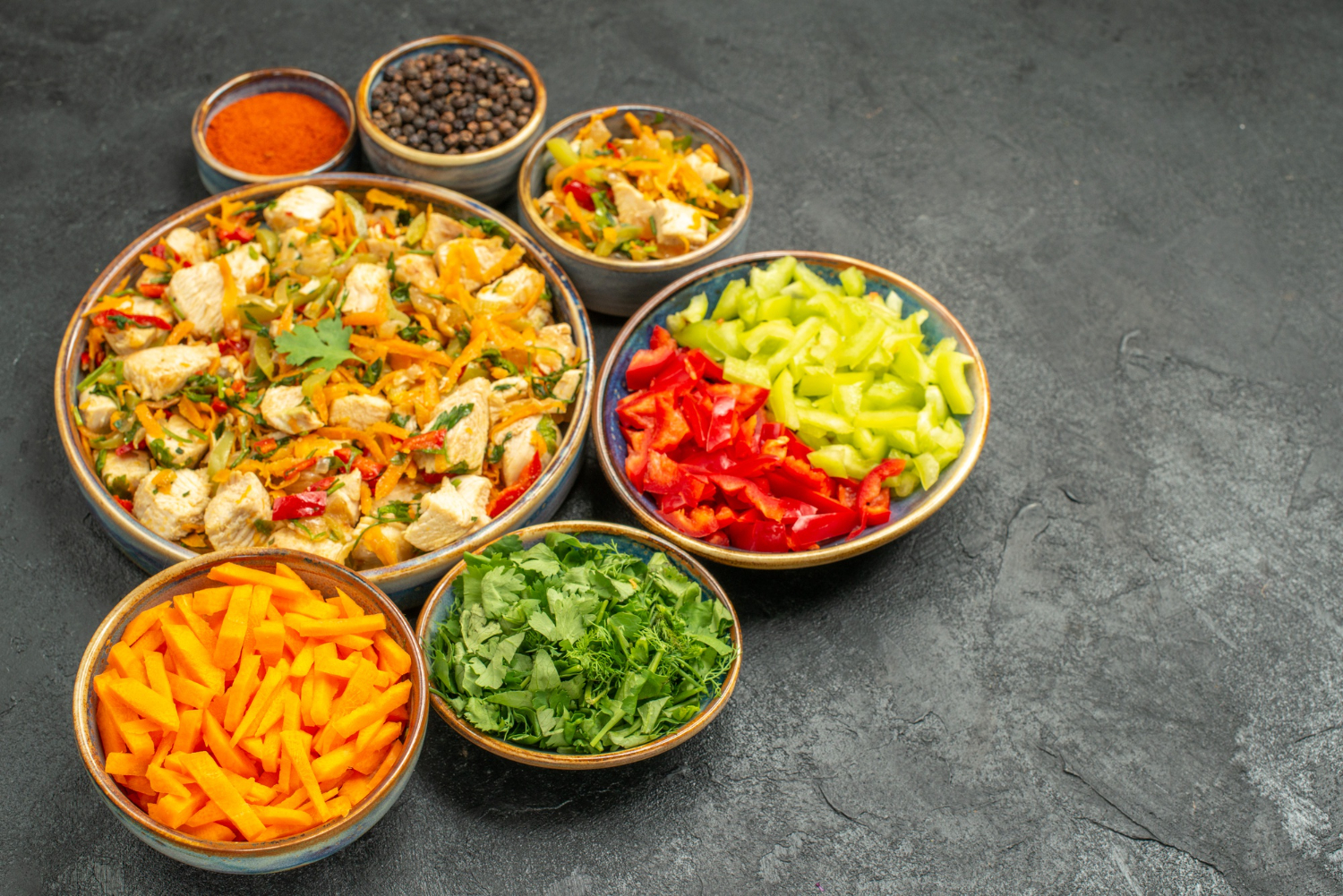
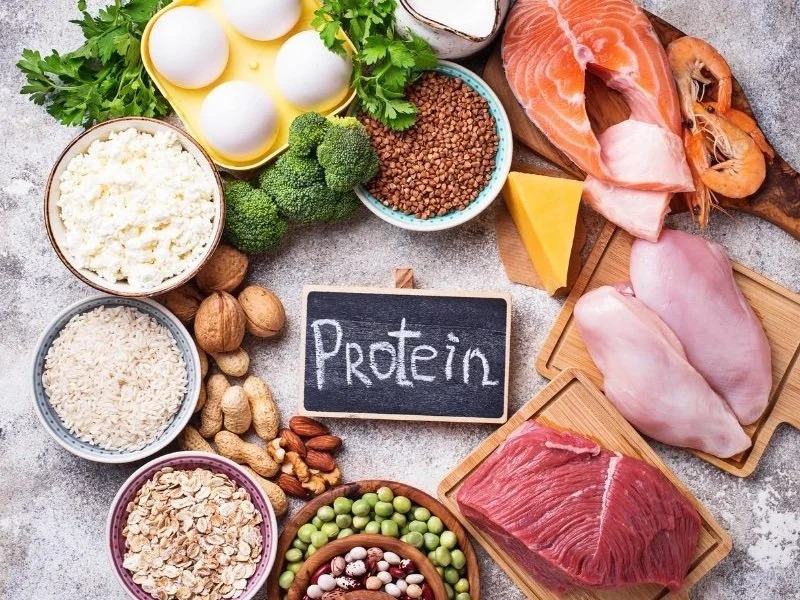
High-quality proteins (those containing all essential amino acids) come from animal sources such as milk, curd, cheese, paneer, eggs, fish, poultry and lean meats. Plant-based proteins, pulses, lentils, soy products, chickpeas, beans, nuts, seeds, whole grains, millets, mushrooms and quinoa are excellent choices too, especially when combined in complementary ways.
Practical combinations that improve protein quality:
- Rice + dal or khichdi: cereals paired with pulses provide a complete amino acid profile.
- Roti + chana or rajma curry, millet porridge with lentils, and meals that include dairy alongside grains and vegetables.
- For vegetarian families, include soy products (tofu, soya granules), paneer, milk and yoghurt regularly.
Safety and Age-Appropriate Tips:
- Nuts and whole seeds are nutritious but can be choking hazards. For younger toddlers, serve as smooth nut butters, ground seeds, or as finely chopped pieces under supervision.
- Fish and eggs are rich in protein and micronutrients; introduce them according to cultural norms and allergy guidance.
- Encourage texture progression: mashed, soft-cooked, then finger foods to support chewing skills and varied intake.
Consequences of Inadequate Protein
- Mild, temporary shortfalls in protein rarely cause dramatic symptoms if overall energy intake is adequate. But persistent protein deficiency, especially alongside poor calorie intake, can lead to:
- Poor growth (low height and weight gains)
- Muscle wasting and weakness
- Recurrent infections and slow healing
- Behavioral changes such as lethargy or irritability
- Severe forms of protein-energy malnutrition present as kwashiorkor (edema, fatty liver, skin changes) or marasmus (extreme wasting). In addition, inadequate protein in early life can have lasting effects on physical growth, school performance and economic productivity later on.
Common Misconceptions
- “Children need protein supplements for sports or growth.” In most cases, children up to adolescence meet protein needs through a balanced diet. Supplements are rarely necessary and should be used only under medical advice.
- “Too much protein is always better.” Excessive protein above needs provides little additional benefit and, in certain situations (like kidney disease), can be harmful. Balance is key.
- “Vegetarian diets are inadequate.” Well-planned vegetarian diets that include dairy, eggs (where culturally acceptable), pulses and soy can fully meet children’s protein needs.
Digestibility and Absorption: The Overlooked Issue
In many well-resourced communities, true dietary protein deficiency is uncommon. More frequently, children experience problems with protein digestibility and absorption due to gut infections, chronic diarrhea, food intolerances or poor food preparation methods. Practical steps to improve usable protein include:
- Soaking and pressure-cooking legumes to reduce anti-nutrients.
- Including fermented foods such as curd, idli/dosa batter, and pickles to boost digestion.
- Treating gastrointestinal infections promptly and assessing for intolerances or chronic conditions where growth falters.
- Offering small, frequent meals in children with poor appetite.
- Practical advice for parents and caregivers
- Prioritize variety: include at least one protein source at each main meal.
- Pair proteins with carbohydrates and vegetables for energy, micronutrients and better satiety.
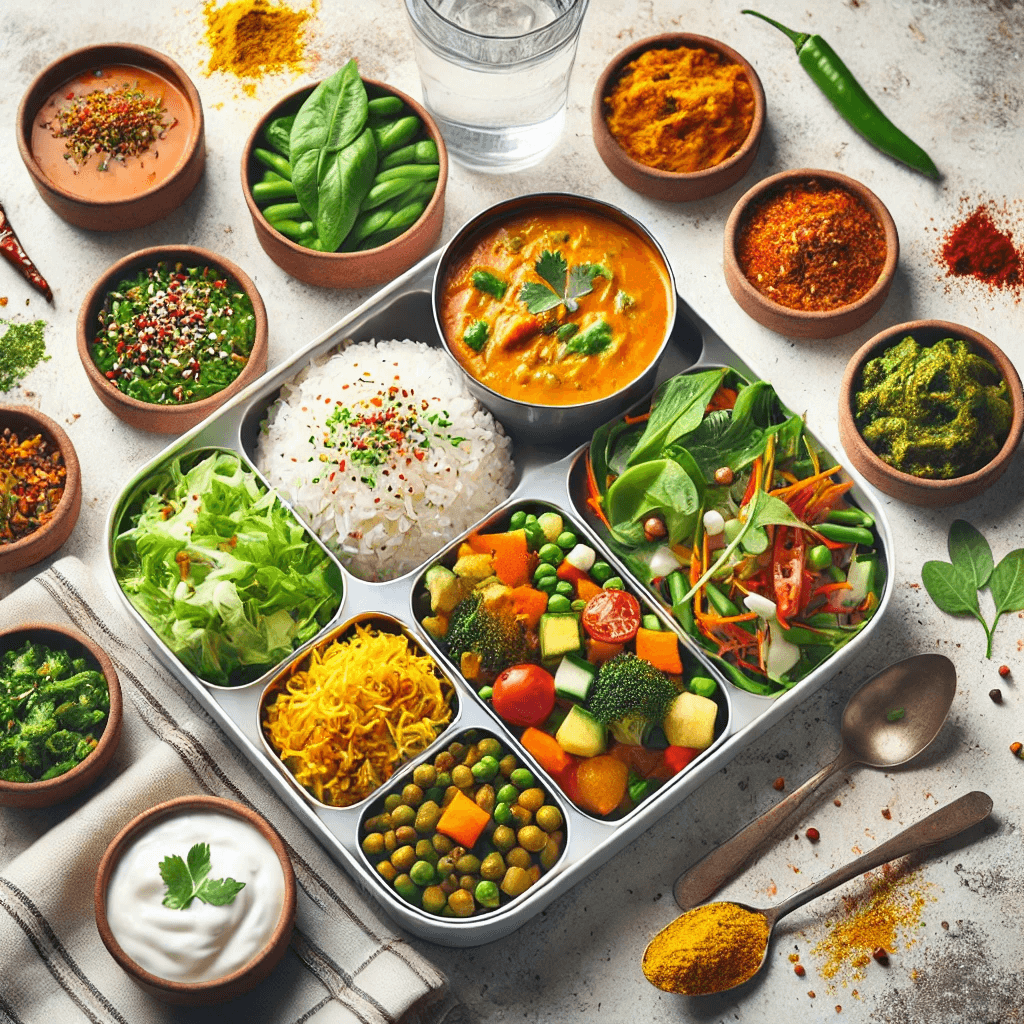
- Use realistic, culturally appropriate foods: dal, khichdi, paneer, eggs, milk, fish, chicken, sprouted lentils and soy dishes work well across Indian cuisines.
- Monitor growth: regular weight and length/height checks help detect problems early.
- Consult a pediatrician or dietitian if you observe poor growth, repeated infections, or feeding difficulties.
Final Takeaway
Protein is indispensable during the first six years for building bodies, brains and resilience. Most children achieve recommended intakes with a varied, culturally suitable diet, breastfeeding when possible, and attention to digestion and food safety. Reserve supplements for specific medical indications and focus on food-first, practical strategies that support both growth and lifelong healthy eating habits.
Rashmi Gaurav Somani ( MS RD )
Clinical Nutritionist & Obesity Mgt Consultant
Nutricure