 3 min read
 Guilt-Free Indulgence: Nutty Date Chocolate Ice Cream
Who doesn’t love ice cream? That creamy, cold sweetness instantly lifts moods and brings people together — kids and adults alike. But have you ever stopped to think about what goes into the ice cream you buy from the market? Many commercial varieties rely on preservatives, artificial colors, refined sugar, and synthetic flavors to boost taste, appearance, and shelf life. While these additions can make a product more visually appealing and longer-lasting, they often dilute the nutritional value and can contribute to rapid blood-sugar spikes and unwanted additives in the diet.

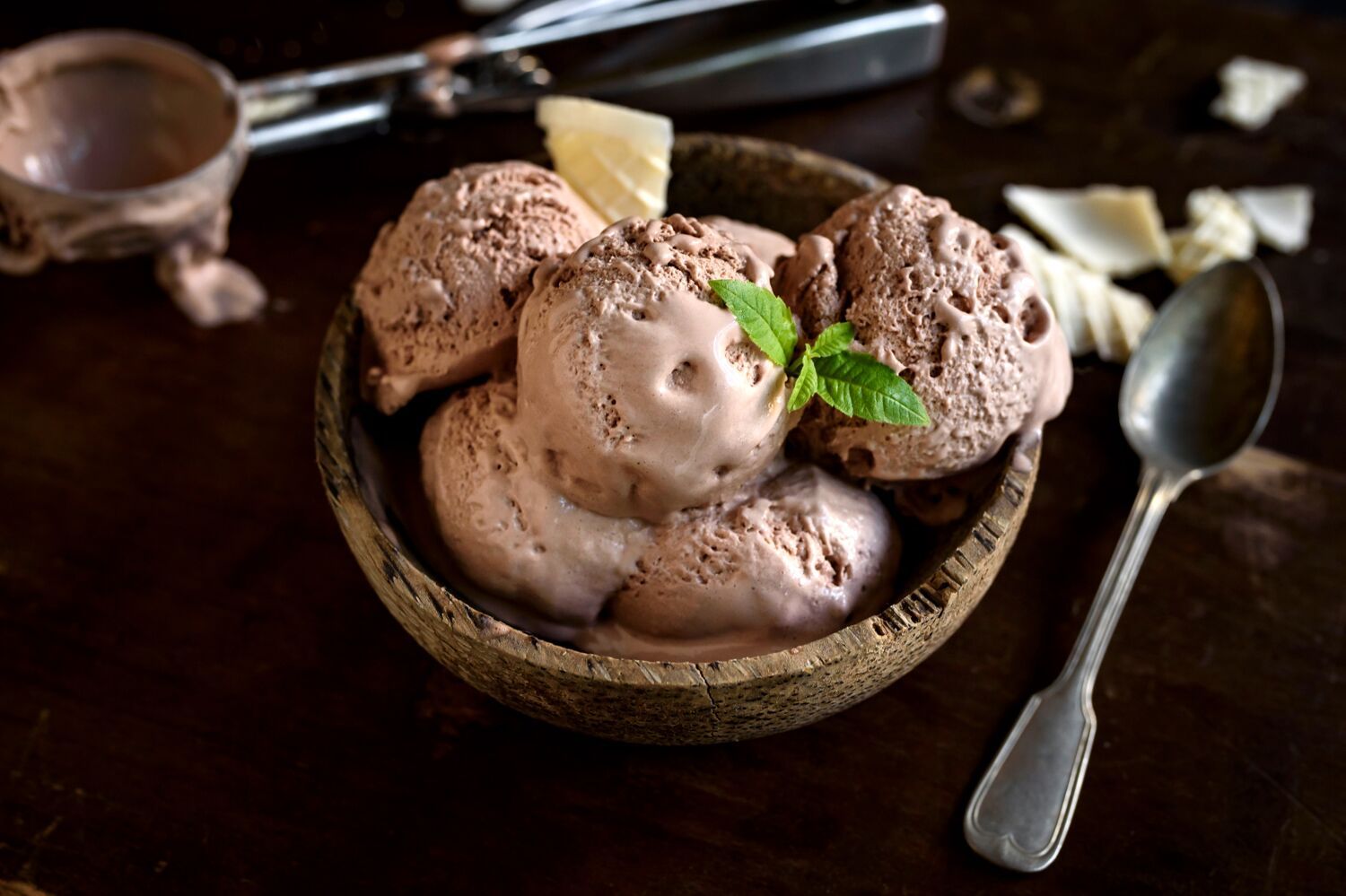
If you love ice cream but want a healthier option, try this Dry Fruit & Chocolate Ice Cream made with natural ingredients: dates, nuts, seeds, cocoa powder, makhana, and milk. It tastes indulgent while delivering tangible nutritional benefits, a dessert that nurtures the body rather than merely satisfying a craving.
Why natural ingredients matter
The best thing about this homemade ice cream is that every ingredient contributes to your health. Instead of refined sugar, this recipe uses dates, which act as a natural sweetener and add fiber, vitamins, minerals, and antioxidants. Dates help moderate the rate at which sugar enters the bloodstream, reducing the risk of sudden energy crashes after dessert. Using whole-food sweeteners like dates also enriches the flavor with a gentle, caramel-like note that pairs beautifully with cocoa and nuts.
Nuts: energy, protein, and healthy fats
Almonds, walnuts, pistachios, and cashews add creaminess, crunch, and nutrition. These nuts are rich in heart-healthy unsaturated fats, plant protein, fiber, vitamin E, magnesium, and omega-3 (especially walnuts). They increase satiety, so a small serving of this ice cream can feel more filling than an equivalent bowl of conventional ice cream. Nuts also support brain and heart health and supply sustained energy — ideal for a treat that won’t derail your day.
Seeds: small but mighty
A two-teaspoon mix of seeds brings concentrated nutrition. Seeds such as chia, flax, pumpkin, and sunflower are excellent sources of healthy fats, fiber, protein, and minerals like iron, zinc, and magnesium. They also add texture and a subtle nutty flavor to the ice cream. Even a small quantity of seeds enhances the micronutrient profile and boosts the overall fiber content, which helps slow digestion and smooths blood-glucose responses.
Cocoa: chocolate with benefits
Cocoa powder gives this dessert its rich chocolate flavor without the excessive sugar and processed fats found in many chocolate ice creams. Cocoa is rich in antioxidants, particularly flavanols, which have been linked to improved heart health and better circulation. Choose unsweetened, high-quality cocoa for maximum health benefits and robust taste.
Makhana: the crunchy superfood
Makhana (fox nuts) is a traditional Indian snack that’s low in calories and high in minerals such as calcium, potassium, and iron. When added to ice cream, makhana contributes light crunch, extra nutrition, and a subtle toasty taste. It also helps increase the bulk and perceived volume of the dessert, so you’ll feel more satisfied.
Milk: the creamy base
Milk creates the smooth, creamy texture we expect from ice cream while providing protein, calcium, and B vitamins. Using full-fat or toned milk can influence the richness and mouthfeel; choose the milk you prefer based on dietary needs and taste. If you want a dairy-free alternative, use unsweetened almond or oat milk, but note the flavor and protein content will vary.
Balanced nutrition in every scoop
This homemade Dry Fruit & Chocolate Ice Cream delivers protein, healthy fats, and fiber from nuts, seeds, dates, and milk — a more balanced nutrient mix than many store-bought options. The combination promotes satiety, supports steady energy release, and helps reduce late-night sugar cravings. Antioxidants from cocoa and dates add an extra protective benefit, while the vitamins and minerals from nuts, seeds, and makhana support overall wellness.
Simple recipe and method
Ingredients:
- 4 dates
- 10 each almonds, walnuts, pistachios, cashews
- 2 tsp mixed seeds
- 2 tsp cocoa powder
- Handful of makhana
- 1 cup warm milk
- Roasted almonds and chocolate chips for garnish
Method:
- Soak dates, nuts, seeds, cocoa powder, and makhana in warm milk for about 1 hour to soften and meld flavors.
- Blend the mixture into a very smooth, thick paste; add a little water only if needed. The paste should be thick, not free-flowing.
- Pour into a tray or container, smooth the surface, and garnish with roasted almonds and chocolate chips.
- Freeze for 4–5 hours or until firm.
Final Thoughts
This Dry Fruit & Chocolate Ice Cream proves you don’t need refined sugar, artificial additives, or long ingredient lists to enjoy a delicious frozen treat. With simple, natural ingredients you probably already keep in your kitchen, you can make a dessert that’s satisfying, nourishing, and crowd-pleasing. It’s a smart alternative for families, mindful eaters, and anyone who wants to bring a healthier twist to a timeless favorite.
Rashmi Gaurav Somani ( MS RD )
Clinical Nutritionist & Obesity Mgt Consultant
Nutricure