 3 min read
 Attention Span and Screen Time - Separating the Myth From the Science
Screen time does not automatically damage attention, but how children use screens matters. This article explores research-backed screen habits, attention-building activities, and practical ways parents can create balance.

Children today have an attention span of 8 seconds - less than a goldfish.' You've probably heard this. It has been repeated in parenting talks, shared in WhatsApp groups, and cited by everyone from school principals to paediatricians.
It is also not true. The '8-second goldfish' statistic was based on a 2015 Microsoft consumer report that has since been widely debunked by cognitive scientists. Goldfish, incidentally, have been demonstrated to have attention spans of several minutes under the right conditions.
But the underlying concern - that screens are changing how children think, focus, and engage - is real and worth taking seriously. The problem is that the conversation is often driven by myth rather than evidence, which leads to anxiety rather than action.
Here is what the science actually says.
What We Know - The Actual Research
Screen time does affect attention - but the type of content matters enormously
A 2019 study published in the journal JAMA Pediatrics found that children who watched fast-paced, quickly edited content (like YouTube Shorts-style videos or certain cartoons) showed reduced performance on tasks requiring sustained attention compared to children who watched slower-paced content or engaged in non-screen play.
The mechanism is important: rapidly edited content provides such a high rate of novel stimulation that the brain reduces the effort it puts into sustaining attention on any single thing. It is not that the attention span is 'damaged' - it is that the child's brain has been calibrated to expect constant novelty, and anything slower than that threshold fails to hold attention.
This is a calibration problem, not a permanent neurological change. And calibration can be recalibrated.
Interactive screen use is different from passive screen use
Not all screen time is equal - a distinction that most Indian parenting conversations collapse. Research consistently distinguishes between:
- Passive consumption (watching videos, scrolling): this is the high-novelty, low-engagement type associated with attention calibration problems
- Interactive creation (coding, drawing, video editing, designing): this is high-engagement, often flow-inducing, and produces the opposite effect on attention
- Educational interaction (video calls, collaborative games, structured learning apps): moderate risk, significant benefit when content is appropriate
The child who spends 3 hours watching YouTube Reels and the child who spends 3 hours building a game in Scratch are both 'on screens'. They are not having the same experience.
The displacement problem is real even if the 'damage' is overstated
Even if screen time doesn't directly destroy attention spans, it definitively displaces the activities that build them: outdoor play, reading, extended imaginative play, boredom (which is cognitively productive), and conversation. The loss is real - it is just occurring through replacement rather than direct damage.
WHO and Indian Paediatricians - What the Guidelines Actually Say
|
Age |
WHO Recommended Screen Time |
IAP Recommendation |
Note |
|
Under 1 year |
Zero screen time |
Zero screen time (except video calls) |
Video calls with family are not equivalent to passive viewing - they are interactive |
|
1–2 years |
No screen time (except supervised video calls) |
Maximum 1 hour, high quality content only |
High quality = slow-paced, educational, ideally watched with a parent |
|
3–5 years |
Maximum 1 hour per day, high quality |
1 hour, co-viewing preferred |
Co-viewing means a parent watches with the child and discusses it |
|
6–12 years |
Consistent limits, prioritise sleep and physical activity |
2 hours maximum, no screens 1 hour before bed |
School-related screen use doesn't count toward recreational limits |
|
13–18 years |
Balance with sleep, movement, face-to-face interaction |
No specific hourly limit, but no screens after 10 PM |
Shift to quality over quantity guidance for teenagers |
What Actually Builds Attention Span - Evidence-Based
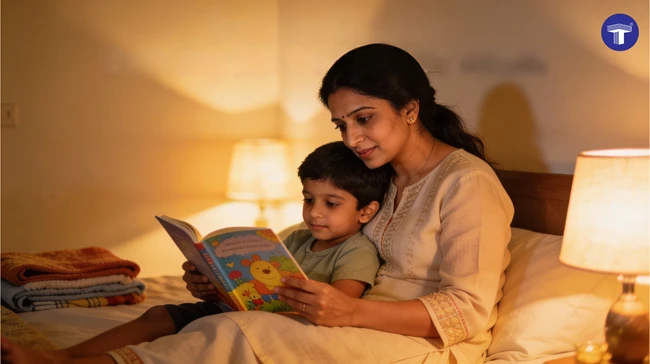
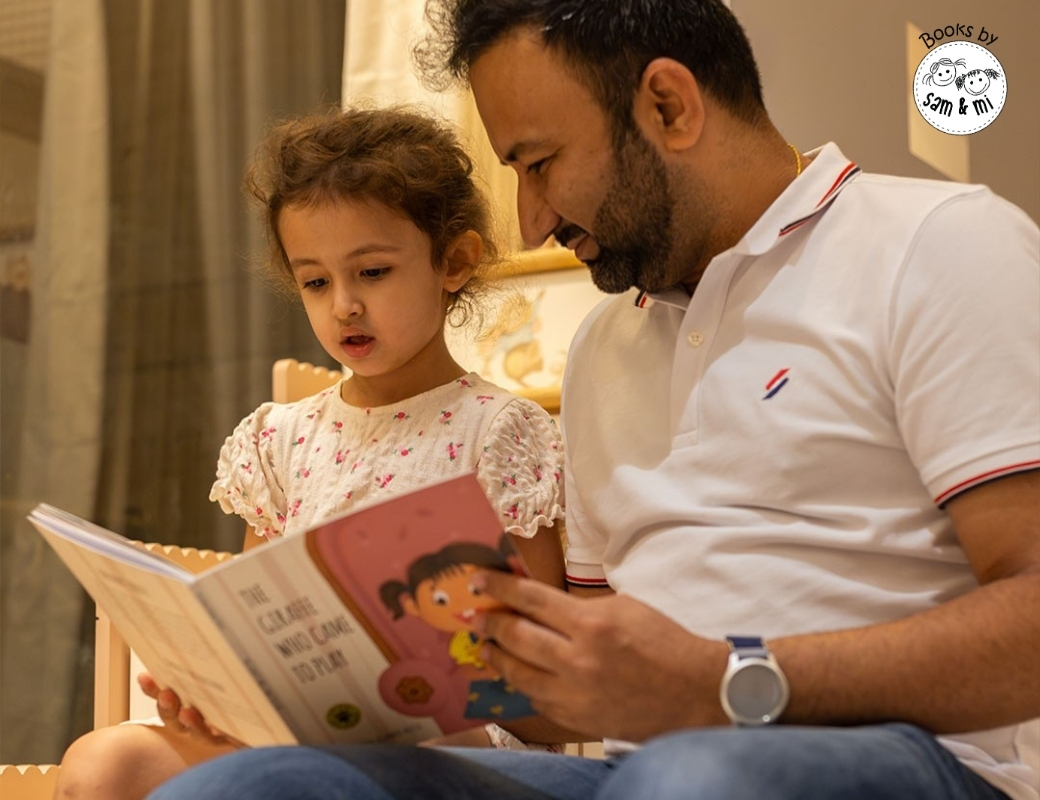
- Reading physical books: the single most evidence-supported attention-building activity. Even 20 minutes of daily independent reading significantly improves sustained attention over 3–6 months.
- Open-ended play without instructions or screens: Lego without a kit, clay, drawing without templates, outdoor unstructured play - all require and build sustained focus
- Physical activity: exercise increases BDNF (brain-derived neurotrophic factor), which directly supports focus, working memory, and learning. 30–60 minutes of moderate physical activity per day produces measurable cognitive benefit.
- Boredom: a child left to their own devices (not digital devices - actual boredom) is forced to generate their own mental content. This is cognitively demanding and attention-building. Resist the impulse to fill every quiet moment with a screen.
- Conversation: extended back-and-forth conversation, storytelling, asking open questions, and listening - these are attention-intensive activities that screens don't replicate
|
A Practical Framework: Quality Checks for Screen Time After screen time: is your child refreshed or irritable? Engaged or flat? This tells you more than any timer. Is the content active or passive? Creating > playing > watching Is co-viewing happening for young children? Discussed content is processed content. Is there a consistent off time? Screens off 30–60 minutes before sleep is non-negotiable for every age. Are screens replacing or complementing? Screens replacing outdoor play, books, and conversation is the problem - not screens existing alongside them. |
The goal is not a screen-free childhood - it is a screen-balanced one. A child who reads for 30 minutes and then watches 45 minutes of carefully chosen content is doing fine. A child who has never learned to sit with a book for 10 minutes is the child worth having a different conversation about.
How do you actually manage screen time in your home - not the plan, the reality?

Parent With Purpose
Parent with Purpose is your trusted parenting resource, offering expert advice, practical tips, and real experiences from fellow parents. Our content is organized by your child’s age, from pregnancy to the teen years, ensuring guidance that’s relevant to your current stage. Learn through articles, videos, podcasts, and courses that fit your lifestyle. We also provide carefully curated book lists, meal plans, product recommendations, and India-focused resources to make parenting easier and more informed.