 3 min read
 Gestational Diabetes Test in India: What Is the GCT/OGTT and What Do Your Results Mean?
Here is a plain-language guide to understanding what gestational diabetes is, why Indian women are at particularly high risk, what the test involves, and what you should do if your result is positive.

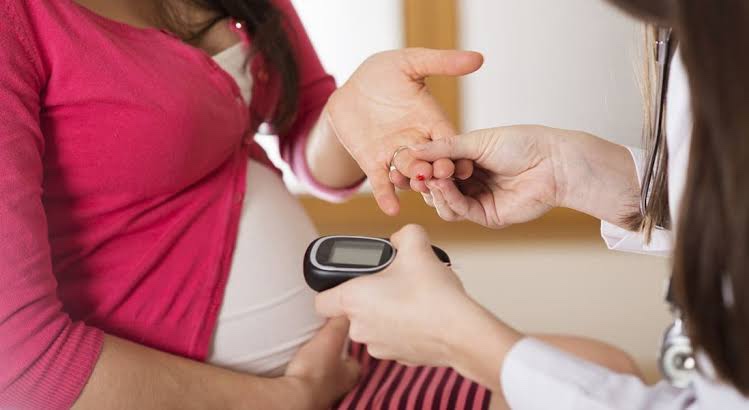
Around week 24, your doctor will order a blood test you may not have heard of before: the Glucose Challenge Test (GCT) or Oral Glucose Tolerance Test (OGTT). It is a test for gestational diabetes and in India, it is one of the most important tests of your entire pregnancy.
Here is a plain-language guide to understanding what gestational diabetes is, why Indian women are at particularly high risk, what the test involves, and what you should do if your result is positive.
What is gestational diabetes?
Gestational diabetes mellitus (GDM) is a form of high blood sugar that develops during pregnancy in women who did not have diabetes before. It happens because the hormones produced by the placenta can block the action of insulin (the hormone that moves sugar from your blood into your cells). When insulin does not work properly, blood sugar levels rise.
It usually has no symptoms which is why testing is essential.
Source: WHO – Diagnostic Criteria and Classification of Hyperglycaemia First Detected in Pregnancy 2013
Why are Indian women at higher risk?
India has one of the highest gestational diabetes rates in the world. Studies suggest that between 14-18% of pregnant Indian women develop GDM, nearly double the global average of 7-10%.
Reasons include:
- Indian populations have a genetic predisposition to insulin resistance at lower BMI levels than Western populations
- Urban diets high in refined carbohydrates (maida, white rice, sugar), combined with reduced physical activity
- Family history of Type 2 diabetes extremely common in India
- Higher rates of PCOS (Polycystic Ovarian Syndrome) among Indian women
Source: ICMR – National Guidelines for Diagnosis and Management of Gestational Diabetes Mellitus 2018 | Diabetes Research and Clinical Practice Journal
The GCT and OGTT: what happens during the test?
Step 1: Glucose Challenge Test (GCT) the screening test
This is the first test done at most Indian clinics around 24-28 weeks. You do not need to fast for this test.
- You drink a glucose solution (50g of glucose in 200ml water) at the lab
- After exactly 1 hour, a blood sample is taken
- Result below 130-140 mg/dL (depending on your doctor's cut-off): Normal no further testing needed
- Result above the cut-off: Requires the OGTT confirmatory test
Step 2: Oral Glucose Tolerance Test (OGTT) - the diagnostic test
If your GCT is positive, you will do the OGTT. For this test, you must fast for 8-10 hours beforehand.
- Fasting blood sugar is taken first
- You drink 75g or 100g of glucose in water
- Blood samples are taken at 1 hour, 2 hours (and sometimes 3 hours) after drinking
Normal ranges for the 75g OGTT (WHO criteria used in India):
- Fasting: below 92 mg/dL
- 1 hour: below 180 mg/dL
- 2 hour: below 153 mg/dL
If any one of these values is above the cut-off, gestational diabetes is diagnosed.
Source: ICMR – GDM Management Guidelines 2018 | FOGSI
What if I am diagnosed with gestational diabetes?
A GDM diagnosis is manageable. With the right care, most women with gestational diabetes have completely normal pregnancies and healthy babies.
- Diet modification: The first and most effective treatment. Your doctor will refer you to a dietitian, or your doctor will guide you on a low-glycaemic-index diet.
- Regular blood sugar monitoring at home
- Regular exercise: Even a 15-minute walk after each meal significantly lowers blood sugar
- Medication: Some women need oral medication (metformin) or insulin injections this is decided based on blood sugar levels
Gestational diabetes diet for Indian vegetarian mothers
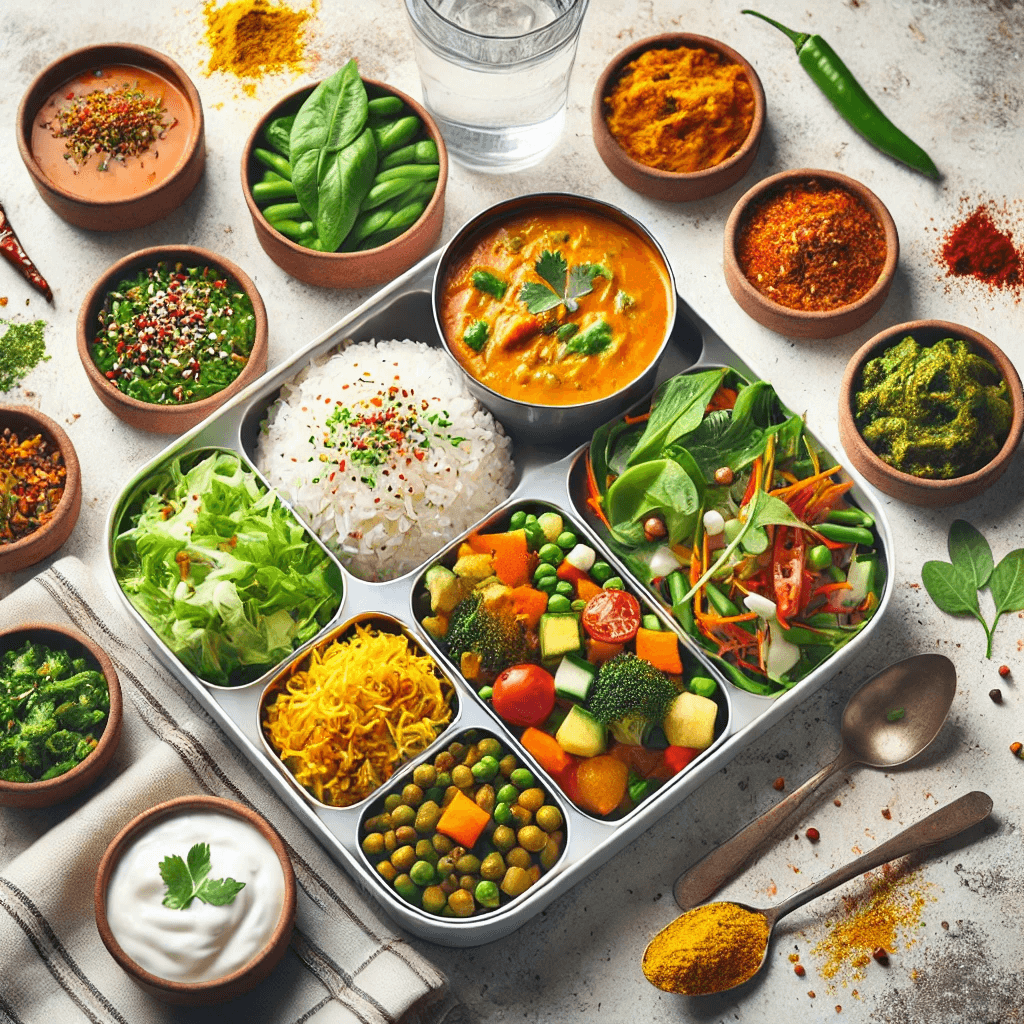
This is where generic advice fails Indian women completely. Here is what actually works in an Indian kitchen:
- Replace white rice with hand pounded rice, red rice, or a smaller portion of regular rice
- Replace maida rotis with multigrain or jowar/bajra rotis much lower GI
- Eat dal and sabzi before rice protein and fibre blunt the blood sugar spike
- Include methi seeds (fenugreek) in cooking has clinically proven blood sugar-lowering effect
- Avoid fruit juice, sugary drinks, mithai, and very sweet fruit (mango, chikoo in large amounts)
- Include karela (bitter gourd) in weekly meals -traditional and evidence-supported
Source: ICMR GDM Guidelines 2018 | Diabetes Care Journal – Dietary Management of GDM in South Asian Women 2022

Parent With Purpose
Parent with Purpose is your trusted parenting resource, offering expert advice, practical tips, and real experiences from fellow parents. Our content is organized by your child’s age, from pregnancy to the teen years, ensuring guidance that’s relevant to your current stage. Learn through articles, videos, podcasts, and courses that fit your lifestyle. We also provide carefully curated book lists, meal plans, product recommendations, and India-focused resources to make parenting easier and more informed.