 3 min read
 8 Easy Meal Ideas That Support Focus and Learning
The best brain food is not complicated. It's not expensive. It doesn't need a recipe...

The best brain food is not complicated. It's not expensive. It doesn't need a recipe downloaded from an American wellness blog featuring ingredients available only in health food stores.
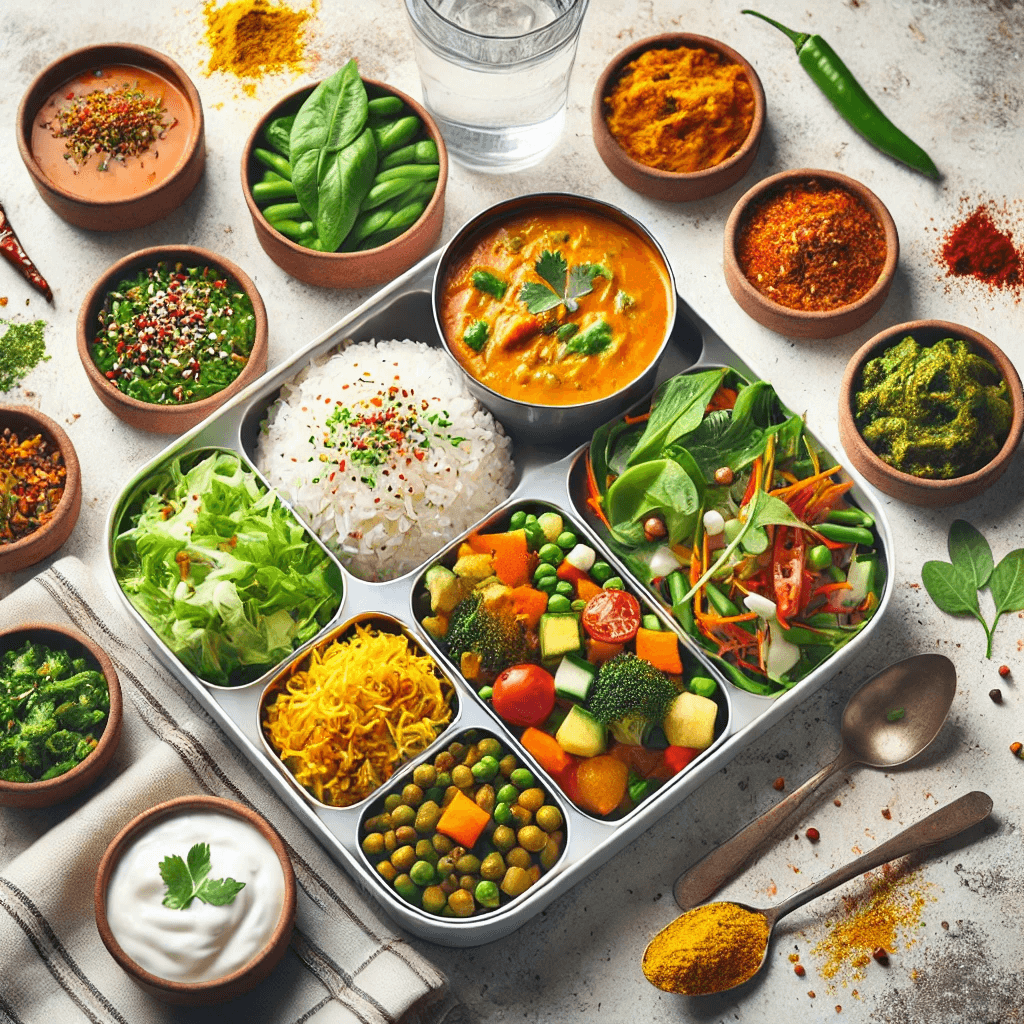
The best brain food is regular, balanced, and actually eaten by your child. Here are 8 India-friendly meals - things a working mother in Nashik and a working mother in Bengaluru can both make - that have real nutritional value for how children think, focus, and regulate their emotions.
8 MEALS THAT WORK FOR BRAINS
Meal 1: Dal Chawal with Curd
Don't underestimate this combination. Protein from dal (essential for neurotransmitter production), slow-release carbohydrates from rice (sustained blood glucose = sustained focus), and probiotics from curd (gut-brain axis support and mood regulation).
This meal has sustained Indian children's cognitive function for generations. Add a teaspoon of ghee on the dal and a piece of vegetable on the side - you've covered most of what a growing brain needs in one bowl.
Meal 2: Egg Paratha with a Banana
Protein and healthy fat from the egg (choline for memory, DHA if made with an omega-3 enriched egg). Whole wheat from the paratha (complex carbohydrates for slow-release energy). Potassium and B6 from the banana (mood regulation and quick brain fuel).
This is a 15-minute breakfast that provides genuinely superior brain fuel to cereal or toast with jam. Make in bulk on Sunday if mornings are rushed - egg parathas reheat well.
Meal 3: Poha with Peanuts
Underrated as a brain food. Rice flakes are easy to digest and provide quick energy. Peanuts add protein and fat - slowing the glucose release, adding satiation, and providing niacin (B3, which supports brain function). Mustard seeds and curry leaves add antioxidants.
Add: one grated carrot, a handful of peas, a sprinkle of lime. Ready in 10 minutes. Suitable as breakfast, tiffin, or after-school snack.
Meal 4: Palak Paneer with Roti
Iron from the palak (oxygen supply to the brain, critical for attention and learning). Protein from the paneer (amino acids for neurotransmitter production). The fat in paneer improves the absorption of fat-soluble vitamins in the spinach.
For children who reject palak: blend it into a smooth gravy. Most children cannot detect the spinach in a smooth, well-spiced palak paneer. This is acceptable.
Meal 5: Upma with Mixed Vegetables
Semolina (rava) is a moderate-GI grain - better for sustained energy than maida but not as sustained as oats or whole wheat. The key is what you add: onion, tomato, carrot, peas, capsicum, beans - each adds fibre, vitamins, and minerals.
Add: a handful of roasted cashews or peanuts for protein. Top with a squeeze of lime for Vitamin C (which improves iron absorption from the vegetables). Serve with a small katori of curd.
Meal 6: Sattu Drink or Sattu Paratha
Sattu (roasted chana flour) is one of the most nutritionally dense, affordable, traditional foods available in India - and one of the most underused. High in protein, high in fibre, rich in iron and calcium, with a low glycaemic index.
As a morning drink: 2 tablespoons sattu in a glass of water with lemon, salt, and a pinch of jeera. As a paratha filling with a little ajwain and onion. Both are quick, cost ₹10–20, and provide sustained energy for 3–4 hours.
Meal 7: Fruit Chaat as an After-School Snack
Instead of biscuits or packaged chips: cut banana, apple, orange, pomegranate, and any available seasonal fruit. A sprinkle of chaat masala, a squeeze of lime.
Fruit chaat is one of the few 'snacks' that children genuinely enjoy AND that provides vitamins, fibre, and natural sugar for a sustained energy lift. The chaat masala makes it feel like a treat rather than health food - important for buy-in.
The post-school snack is one of the most important meals of the day for focus - it fuels the homework period. Make it count.
Meal 8: Curd Rice with Sabzi
Cooling, gut-friendly, and underappreciated outside South India. The probiotics in curd support the gut microbiome and the gut-brain axis. Rice provides steady carbohydrate energy. A simple sabzi on the side adds vitamins and fibre.
Especially useful in summer, when heat affects focus and appetite. A light, easily digestible meal that doesn't compete with the brain for blood flow during digestion.
|
Meal |
Key Brain Nutrients |
Best Time to Serve |
|
Dal Chawal + Curd |
Protein, complex carbs, probiotics |
Lunch |
|
Egg Paratha + Banana |
Choline, B6, complex carbs |
Breakfast |
|
Poha + Peanuts |
Protein, quick energy, antioxidants |
Breakfast or after-school |
|
Palak Paneer + Roti |
Iron, protein, fat-soluble vitamins |
Lunch or dinner |
|
Sattu drink/paratha |
Protein, iron, fibre, low GI |
Morning or post-school |
|
Fruit Chaat |
Vitamins, natural sugar, fibre |
After-school snack |
💡 Quick Tip: Consistency beats perfection. A child eating dal chawal every day is far better nourished than one eating expensive 'superfoods' twice a week. Make the simple things regular.
Which of these is already a family staple? Share your go-to brain meal!
#BrainFoodForKids #IndianKidsFood #FocusMeals #ParentWithPurpose #HealthyLunchKids #IndianNutrition

Parent With Purpose
Parent with Purpose is your trusted parenting resource, offering expert advice, practical tips, and real experiences from fellow parents. Our content is organized by your child’s age, from pregnancy to the teen years, ensuring guidance that’s relevant to your current stage. Learn through articles, videos, podcasts, and courses that fit your lifestyle. We also provide carefully curated book lists, meal plans, product recommendations, and India-focused resources to make parenting easier and more informed.