 3 min read
 10 Foods That Directly Support Your Child's Brain Development
Food is data. Each meal prepared carries the ability to aid or inhibit a child’s ability to grow, focus and control their emotions. Here is a list of 10 of the most convenient foods to research,

Food is information. Every meal you put in front of your child either supports or works against their brain's ability to grow, connect new pathways, regulate emotions, and sustain focus. This is not about turning every meal into a nutrition lecture - it's about knowing which foods do heavy lifting for the brain and making sure they appear regularly on your child's plate.
The good news: all 10 of these foods are available in India, most are already in Indian kitchens, and none require expensive supplements or superfoods shipped from abroad.
THE 10 BRAIN FOODS - AND WHY THEY WORK?
1. Eggs
Eggs contain choline, a nutrient that is directly involved in the production of acetylcholine - a neurotransmitter critical for memory and cognitive function. Many children are chronically low in choline.
Serve as: boiled, scrambled, omelette, egg paratha, egg curry. Any form works. Daily is ideal, especially for children under 12 during peak brain development.
2. Walnuts (Akhrot)
The fact that walnuts look like a tiny brain is not a coincidence - or at least, it's a useful mnemonic. They are one of the best plant-based sources of ALA omega-3 fatty acids, which the brain converts into DHA - the fatty acid most critical for brain cell membrane structure.
Serve as: 4–5 soaked walnuts as a morning snack. In chutney. Chopped into kheer or ladoos. Most children accept them when introduced early.
3. Ghee
Decades of fat-phobia led Indian families to reduce ghee in their children's diets - this is worth reconsidering, especially for children under 10. The brain is approximately 60% fat. It requires good dietary fat to build myelin sheaths (the insulation around nerve fibres that makes thinking faster) and to absorb fat-soluble vitamins A, D, E, and K.
A teaspoon of ghee on dal, roti, or rice is not just tradition - it's neuroscience.
4. Leafy Greens - Palak, Methi, Bathua
Rich in folate (essential for neurotransmitter production), iron (critical for oxygen supply to the brain), and Vitamin K (linked to cognitive function and memory).
Children who are iron-deficient show measurable cognitive impairment and fatigue. Anaemia is extremely common in Indian children, especially girls. Daily green vegetable consumption is one of the most effective preventions.
5. Berries - Blueberries, Strawberries, and Indian Amla
Anthocyanins - the pigments that make berries blue, red, and purple - are powerful antioxidants that cross the blood-brain barrier and reduce oxidative stress in brain cells. Studies show regular berry consumption improves memory, focus, and processing speed in children.
Amla is especially powerful: one of the highest Vitamin C concentrations of any food. Serve as amla murabba, amla juice, or simply raw with salt.
6. Bananas
Quick-release glucose (brain's primary fuel), Vitamin B6 (essential for serotonin and norepinephrine production - mood regulation neurotransmitters), and magnesium (involved in over 300 biochemical reactions including those in the brain).
A banana 30 minutes before school or study is one of the simplest brain-supporting habits you can build.
7. Fish - Especially Fatty Fish Like Pomfret, Mackerel, Surmai, Rohu
DHA omega-3, found most abundantly in fatty fish, is the single most important nutrient for brain development and function. The human brain accumulates DHA rapidly from birth through age 5, and continues to benefit throughout childhood.
For vegetarian families: algae-based DHA supplements are the only direct plant source of this particular form of omega-3. Consult your paediatrician.
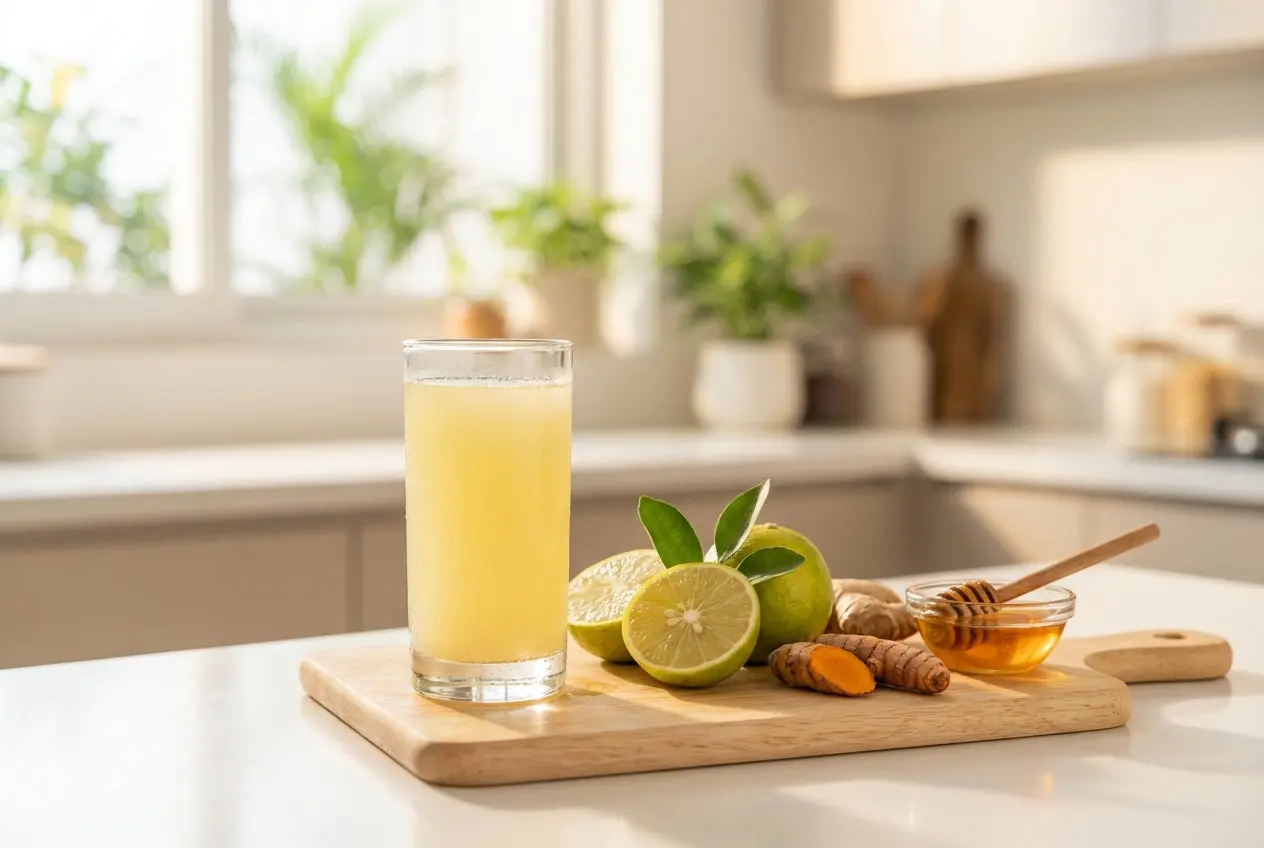
8. Turmeric (Haldi)
Curcumin - the active compound in turmeric - crosses the blood-brain barrier and has been shown in research to promote BDNF (Brain-Derived Neurotrophic Factor), essentially a protein that supports the growth of new brain cells and connections. Indian food already has turmeric in most sabzis and dals - this is traditional wisdom meeting modern neuroscience.
9. Lentils and Dal - Moong, Masoor, Chana
High in protein (essential for neurotransmitter production), iron, folate, and zinc. Dal is also a slow-release carbohydrate, which means it sustains blood sugar and therefore focus for longer than refined grains.
Dal chawal is not just comfort food - it's genuinely one of the most cognitively supportive meals a child can eat.
10. Curd (Dahi) and Fermented Foods
The gut-brain connection is one of the most exciting areas of neuroscience. The gut produces approximately 95% of the body's serotonin (a mood-regulating neurotransmitter). A healthy gut microbiome - supported by probiotic-rich foods like curd, idli, dosa, and kanji - directly impacts mood, stress response, and cognitive function.
|
Brain Nutrient |
Food Sources |
What It Does |
|
DHA Omega-3 |
Fish, walnuts, flaxseed |
Brain cell structure and communication |
|
Choline |
Eggs, soy, groundnuts |
Memory and cognitive function |
|
Iron |
Leafy greens, dal, meat |
Oxygen to brain, concentration |
|
Folate |
Leafy greens, dal, citrus |
Neurotransmitter production |
|
Probiotics |
Curd, idli, fermented foods |
Gut-brain axis, mood regulation |
|
Antioxidants |
Berries, amla, turmeric |
Protection from oxidative brain stress |
💡 Quick Tip: You don't need to serve all 10 daily. Rotate 3–4 across the week and you're doing far more than most. Consistency over months matters more than perfection at each meal.
Which of these does your child already love? Which one are you adding this week?
#BrainFoodsForKids #NutritionForChildren #KidsFoodIndia #ParentWithPurpose #FeedingKids #BrainDevelopmentFood

Parent With Purpose
Parent with Purpose is your trusted parenting resource, offering expert advice, practical tips, and real experiences from fellow parents. Our content is organized by your child’s age, from pregnancy to the teen years, ensuring guidance that’s relevant to your current stage. Learn through articles, videos, podcasts, and courses that fit your lifestyle. We also provide carefully curated book lists, meal plans, product recommendations, and India-focused resources to make parenting easier and more informed.