 5 min read
 Who Am I Beyond “Mom” or “Dad”?
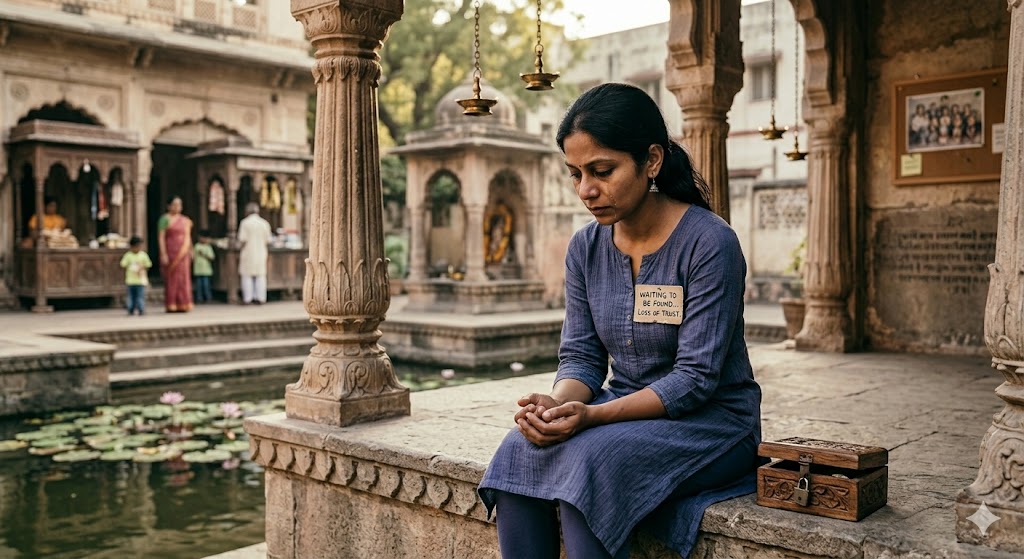
There’s a quiet moment that doesn’t get talked about enough in parenting. It doesn’t happen during the chaos of sleepless nights or school runs. It doesn’t arrive with noise or warning. It slips in slowly—often when you’re alone, maybe folding clothes, maybe sitting in silence after your child falls asleep.

“Who am I… beyond being a parent?”
Not in a dramatic, life-crisis way. But in a subtle, lingering way that you can’t quite shake off. Because somewhere between responsibilities, routines, and roles, something has shifted. Not necessarily lost—but definitely changed.
The Invisible Identity Shift
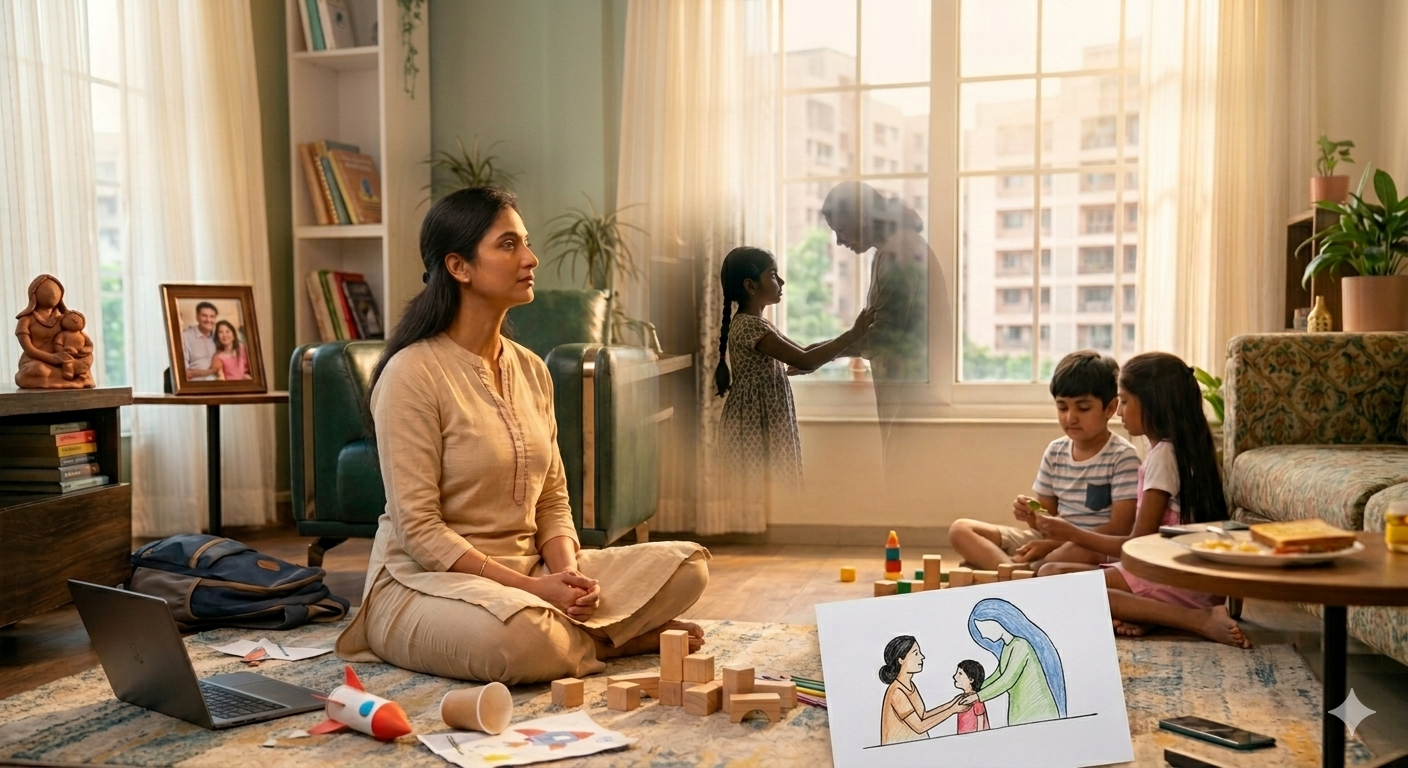
Becoming a parent doesn’t just change your schedule. It changes your sense of self. Before this role, your identity was made up of many visible and invisible pieces—your preferences, your ambitions, your habits, your time, your freedom to decide who you wanted to be each day. Then parenting enters your life, and slowly, quietly, it begins to take center stage.
People stop asking about you and start asking about your child. Your decisions begin to revolve around someone else’s needs. Even your introduction changes—from your name to “someone’s mom” or “someone’s dad.”
At first, it feels natural. Even fulfilling.
But over time, you may notice something else:
You’re showing up fully for your child… but you’re not entirely sure where you fit in anymore.
When Your Name Becomes a Role
There is nothing wrong with being deeply connected to your role as a parent. It’s meaningful, powerful, and life-shaping. But when your identity becomes only that role, something inside can start to feel… compressed. Not empty. Not broken. Just narrowed.
You begin to notice small things:
- You struggle to answer questions about yourself that aren’t related to your child
- Your interests feel distant or paused
- Your conversations revolve mostly around parenting
- Your sense of individuality feels quieter than before
And it’s not because you’ve lost yourself completely. It’s because your identity has been reorganized around responsibility.
The Question That Feels Uncomfortable
“Who am I beyond being a parent?”
It’s a simple question—but it carries weight.
Sometimes, you avoid it. Because answering it feels unclear. Or incomplete. Or even slightly unsettling.
You might wonder:
- Is it selfish to even think this way?
- Shouldn’t my child be my whole world?
- Why does this question make me feel guilty?
But here’s the truth that doesn’t get said often enough:
Wanting to understand yourself beyond parenting is not selfish. It’s necessary.
Because you were a whole person before this role—and you still are.
You Didn’t Disappear. You Expanded.
Parenthood doesn’t erase who you are. It adds to it. But when one part of your identity grows very large, it can overshadow the others.
Think of it like this:
You’re not just a parent.
You are also:
- A thinker
- A decision-maker
- A person with preferences, dislikes, curiosities
- Someone who has an inner voice beyond instructions and routines
These parts don’t vanish. They just become quieter. And if you don’t intentionally reconnect with them, they can start to feel distant.
The Silent Drift Away From Yourself
It rarely happens suddenly. You don’t wake up one day feeling disconnected from yourself.
It happens gradually. You stop doing things you once enjoyed—not out of sacrifice, but out of habit. You start prioritizing everyone else’s needs so consistently that your own stop appearing urgent. You adjust so well to your role that you forget you had dimensions beyond it.
And because you’re functioning, managing, and showing up, it doesn’t feel like a problem. Until one day, it does.
The Space Between Responsibility and Identity
There’s a difference between:
What you do
and
Who you are
Parenting is something you do. Even if it’s the most important thing you do. But it is not the only thing that defines you.
When these two begin to merge completely, it can create confusion. Because if your entire identity is built on what you do, then any change in that role can feel destabilizing. Children grow. They need you differently over time. Your role evolves.
And if your identity is tied only to that role, you may find yourself asking again:
“Who am I now?”
Why This Question Matters More Than You Think
Understanding who you are beyond parenting is not about distancing yourself from your child. It’s about staying connected to yourself while raising them.
Because children don’t just learn from what you say. They observe how you exist.
They notice:
- How you talk about yourself
- Whether you have a sense of self outside of them
- How you carry your individuality
When you maintain your identity, you show them something powerful:
That being a parent doesn’t mean losing yourself. It means growing while staying rooted in who you are.
The Fear of “Losing Yourself” Isn’t Random
Many parents quietly carry this fear.
Not always consciously—but it shows up in thoughts like:
- I don’t feel like myself anymore
- I don’t know what I enjoy
- Everything revolves around my child
This isn’t because you’re doing something wrong. It’s because parenting, by nature, demands a lot of your attention and energy. And without intention, your sense of self can slowly move to the background.
Reconnecting Doesn’t Mean Reverting
Here’s an important distinction:
You’re not trying to go back to who you were before becoming a parent. Because that version of you existed in a different phase of life.
Instead, the question becomes:
Who am I now—with this new experience, this new role, this new version of life?
This is not about recovery. It’s about rediscovery.
Small Ways Identity Starts to Reappear
Reconnecting with yourself doesn’t require dramatic change.
It starts in small, almost unnoticeable ways:
Noticing what you enjoy—even in simple moments. Having thoughts that are not related to parenting. Taking interest in something just because it feels meaningful to you. Allowing yourself to exist outside of constant responsibility, even briefly.
These moments don’t take away from your parenting. They strengthen your sense of self within it.
You Are More Than One Role
It’s easy to believe that being a “good parent” means giving everything to that role. But being a complete person doesn’t make you less present—it makes you more grounded.
You can be:
- A parent
- A partner
- An individual
- A person with independent thoughts and feelings
These identities don’t compete. They coexist. And when they do, parenting becomes less about losing yourself—and more about integrating who you are.
The Quiet Confidence of Knowing Yourself
When you begin to understand who you are beyond parenting, something shifts. Not externally. Internally.
You feel:
- More stable in your decisions
- Less dependent on outside validation
- More aware of your own voice
Because your identity is no longer tied to just one role. It becomes something deeper. More personal. More consistent.
This Isn’t About Doing More—It’s About Being Aware
You don’t need to add more to your already full life. You don’t need to “fix” anything. This is simply about not losing sight of yourself in the process of showing up for someone else.
It’s about asking, gently and without pressure:
“Who am I—when I’m not actively being a parent?”
And allowing the answer to evolve.
You Are Still You—Just in a New Form
Parenthood changes you. That’s undeniable. But change doesn’t mean disappearance. It means expansion, reshaping, and growth.
You are still:
- The person who had thoughts, preferences, and individuality
- The person who can still explore, reflect, and evolve
- The person who exists beyond a role—even if that role is deeply meaningful
And maybe, this phase of life isn’t about choosing between you and your role. Maybe it’s about learning how both can exist together.
A Thought to Sit With
The next time you find yourself in a quiet moment, instead of pushing the question away, sit with it. Not to answer it perfectly. But to acknowledge it.
Who am I beyond “Mom” or “Dad”?
Not as a problem to solve. But as a space to explore. Because the more you understand yourself, the more grounded, present, and real you become—not just as a parent, but as a person. And that’s something your child doesn’t just need. It’s something they quietly learn from.

Parent With Purpose
Parent with Purpose is your trusted parenting resource, offering expert advice, practical tips, and real experiences from fellow parents. Our content is organized by your child’s age, from pregnancy to the teen years, ensuring guidance that’s relevant to your current stage. Learn through articles, videos, podcasts, and courses that fit your lifestyle. We also provide carefully curated book lists, meal plans, product recommendations, and India-focused resources to make parenting easier and more informed.