 5 min read
 What Kind of Parent Do I Want to Be vs What I Am?
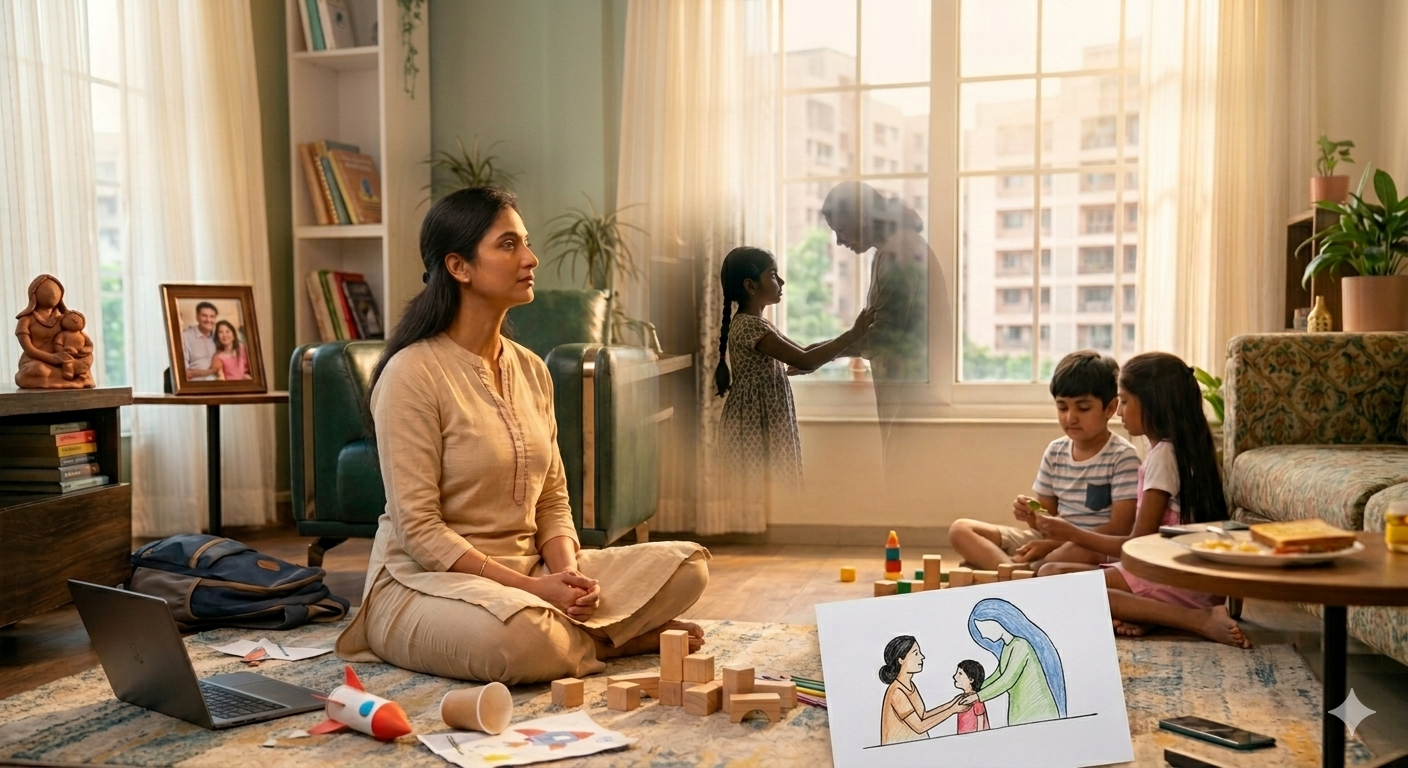
There are two versions of you that exist at the same time. One is the parent you imagined—the one who responds calmly, speaks thoughtfully, makes intentional choices, and seems to always know what to do.

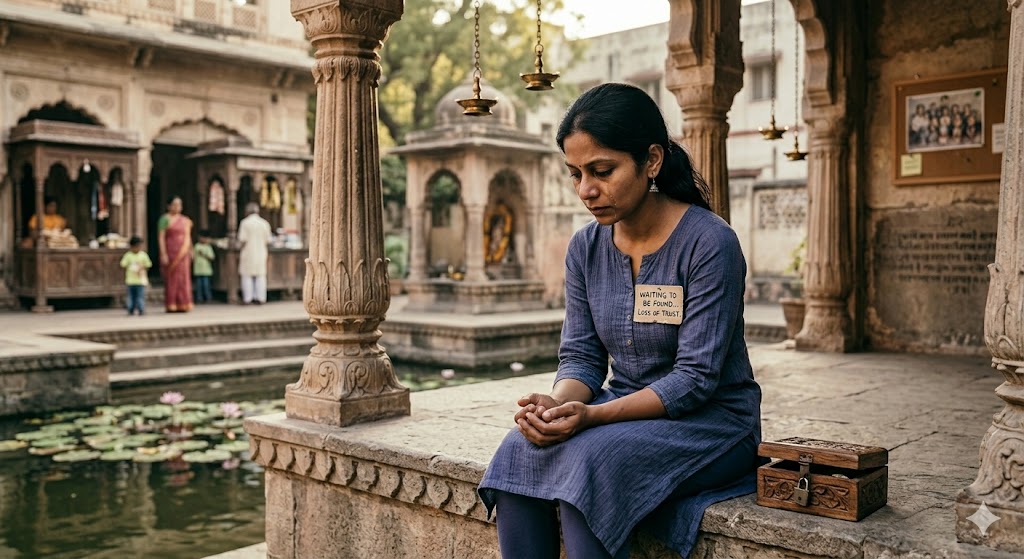
The other is the parent you experience yourself being—the one who gets tired, reacts quickly, feels unsure, and sometimes wonders if you handled things the right way.
Both versions are real. And the space between them is where a lot of your inner conversation happens.
The Parent You Thought You’d Be
Before becoming a parent—or even in your early days of parenting—you likely had a picture in your mind. Not necessarily a perfect one, but a clear one.
You imagined yourself:
- Being patient in difficult moments
- Handling situations with clarity
- Creating a certain kind of environment for your child
- Showing up in ways that felt intentional and meaningful
This version of you wasn’t unrealistic. It was shaped by your understanding, your values, and your hopes. It came from a place of clarity. Because imagining something is very different from living it.
The Parent You Are Becoming
Then reality begins. Not in a negative way—but in a real, layered, everyday way.
You start experiencing:
- Moments where things don’t go as planned
- Situations that catch you off guard
- Days that feel more demanding than expected
And in those moments, you don’t always respond the way you imagined. Not because you don’t care. But because reality brings factors that imagination doesn’t include.
Time pressure. Energy levels. Unexpected emotions. Constant demands.
And slowly, you begin to notice the difference between who you thought you would be and who you are in real situations.
The Gap That Feels Personal
This gap doesn’t just feel like a difference in behavior. It can feel like a difference in identity.
You might think:
- Why didn’t I handle that better?
- I know what I should do, so why didn’t I do it?
- This isn’t the kind of parent I wanted to be
And this is where it becomes more than just reflection. It becomes self-evaluation. Because the version you wanted to be feels like a standard. And the version you are feels like something to measure against it.
Why This Gap Exists
It’s easy to assume that this gap means something is wrong. But the truth is, this gap is natural. Because the parent you want to be is created in a space of thought. The parent you are exists in a space of action.
And these two spaces are very different. Thought is calm, controlled, and ideal. Action is dynamic, unpredictable, and influenced by real-time situations.
So the difference between the two is not a failure. It’s a reflection of reality.
When Awareness Turns Into Pressure
Being aware of the kind of parent you want to be is valuable. It gives direction. It helps you understand your values. But when that awareness becomes rigid, it can turn into pressure.
You may start feeling like:
- You need to live up to your ideal all the time
- Every mistake is a sign of falling short
- There is a “right way” you should always follow
And this pressure can make the gap feel larger than it actually is.
The Influence of Expectations You Didn’t Create
The version of the parent you want to be is not built in isolation. It is influenced by what you’ve seen, heard, and absorbed.
Ideas of what a parent “should” be often come from:
- Observations of others
- Conversations and advice
- Cultural or social expectations
Over time, these influences shape your internal image. And sometimes, that image becomes more demanding than realistic. Not because it’s wrong. But because it doesn’t always account for your unique situation.
The Reality of Human Responses
In real life, parenting is not a series of perfectly managed moments.
It is a mix of:
- Planned responses
- Unplanned reactions
- Thoughtful decisions
- Quick adjustments
You may intend to respond calmly, but find yourself reacting quickly. You may plan to be patient, but feel your patience shorten in certain situations. This doesn’t mean you are not the parent you want to be. It means you are a human parent, not a controlled version of one.
The Tension Between Intention and Action
One of the most common internal conflicts in parenting is this:
You know what you want to do. But in the moment, you do something different.
This creates tension. Because your intention and your action don’t match. And when this happens repeatedly, it can lead to frustration. Not just with the situation—but with yourself.
Understanding Instead of Judging
When you notice this gap, the first instinct is often to judge it. To see it as something that needs correction. But what if, instead of judging it, you tried to understand it?
What if the question wasn’t:
- Why am I not the parent I want to be?
But:
- What is happening in those moments where I respond differently?
This shift doesn’t remove the gap. But it changes how you relate to it.
The Role of Energy, Time, and Context
The parent you are in any moment is influenced by more than just your intention.
It is shaped by:
- How much energy you have
- What else is happening around you
- The demands of that particular situation
Even the most well-intentioned approach can feel different when these factors change. And recognizing this can bring clarity. Because it shows that your actions are not just about choice. They are also about context.
You Are Not a Fixed Version
The idea that you should consistently be one version of yourself is unrealistic. You are not a fixed identity. You are a changing one.
Some days, you may feel closer to the parent you want to be. Other days, you may feel further away. This doesn’t mean you are moving backward. It means you are moving through different experiences.
The Parent You Want to Be Is Still Guiding You
Even when your actions don’t always match your ideal, that ideal still matters. Because it continues to guide you. It shapes your awareness. It influences your reflections. It helps you notice what feels aligned and what doesn’t. So the goal is not to eliminate the gap completely. It is to stay connected to both versions—without letting one invalidate the other.
Growth Happens in the Space Between
The space between who you want to be and who you are is not empty. It is where growth happens.
It is where:
- You learn from your experiences
- You adjust your approach
- You understand yourself more deeply
Without this space, there would be no movement. No reflection. No change.
Letting Go of the Need to Match Perfectly
One of the most helpful shifts you can make is this:
Let go of the need to match your ideal perfectly.
Because the ideal is not meant to be a constant state. It is meant to be a direction. Something you move toward—not something you must always be.
Recognizing What Is Already Aligned
It’s easy to focus on where you are not matching your ideal. But it’s equally important to notice where you are. There are moments—small, often unnoticed—where you are already the parent you want to be.
In how you respond. In how you think. In how you show up. These moments matter. Because they show that the gap is not as wide as it sometimes feels.
You Are in Process, Not in Comparison
When you compare who you are to who you want to be, it can feel like a difference. But when you see it as a process, it becomes something else. It becomes a path. Not something you are failing at. But something you are moving through.
A Different Way to See the Question
Instead of asking: “Why am I not the parent I want to be?”
You might begin to ask: “What is bringing me closer to the parent I want to be?”
This doesn’t ignore the gap. But it shifts the focus. From what is missing to what is developing. From frustration to understanding.
The Two Versions Can Coexist
You don’t have to choose between who you want to be and who you are. Both can exist at the same time. One represents your direction. The other represents your current experience. And together, they create movement.
A Thought to Sit With
The next time you notice a difference between your intention and your action, pause. Not to correct it immediately. But to observe it. Because in that moment, you are not just seeing a gap. You are seeing yourself in process. And maybe that is what this journey is really about. Not becoming a perfect version of a parent. But continuously understanding the one you are becoming.

Parent With Purpose
Parent with Purpose is your trusted parenting resource, offering expert advice, practical tips, and real experiences from fellow parents. Our content is organized by your child’s age, from pregnancy to the teen years, ensuring guidance that’s relevant to your current stage. Learn through articles, videos, podcasts, and courses that fit your lifestyle. We also provide carefully curated book lists, meal plans, product recommendations, and India-focused resources to make parenting easier and more informed.