 5 min read
 Can You Feel Pregnancy in the First Week? Here’s the Honest Truth
The moment you think you might be pregnant, something changes. Not in your body immediately—but in your mind. Suddenly, you become more aware of everything. You notice your body in a way you normally don’t. A little tiredness feels different. A small cramp feels meaningful.

Even your mood starts to feel like it’s trying to tell you something. And quietly, one question keeps coming back—“Can I feel pregnancy already?”
If this sounds like you, you’re not alone. Almost every first-time parent goes through this phase. It’s a mix of curiosity, excitement, hope, and sometimes a little anxiety. You want to understand what’s happening. You want to be careful. You don’t want to make any mistakes.
And most of all, you don’t want to miss something important.
But before anything else, it’s important to understand one simple truth—what week 1 of pregnancy actually means, and what it does not.
Can You Actually Feel Pregnancy in Week 1?
Let’s answer this clearly. No, you usually cannot feel pregnancy in the first week.
And this is not because you are missing signs or not paying enough attention. It’s simply because, medically, pregnancy hasn’t started yet. Pregnancy is counted from the first day of your last period. So when doctors refer to “week 1,” your body is still going through your regular menstrual cycle. There is no fertilized egg yet. There is no implantation. There is no pregnancy hormone (hCG) in your body.
Without these, there are no real pregnancy symptoms.
This is where most confusion begins. Many people assume that pregnancy starts immediately and that the body will give clear signs from the beginning. But in reality, week 1 is more about preparation than pregnancy itself.
Understanding this one point can bring a lot of relief. You are not expected to feel anything different right now.
Then Why Does It Feel Like Something Is Happening?
Even after knowing this, many women still say, “But I feel different.” And that feeling is real. It should not be ignored or dismissed. But it helps to understand where that feeling is coming from.
There are a few natural reasons behind it.
- Hormonal changes
Your body goes through hormonal shifts every month as part of your cycle. Around this time, these changes can lead to mood swings, tiredness, bloating, or mild cramps. These are normal, but they may feel stronger when you are paying attention to them. - Increased awareness
The moment pregnancy comes into your mind, your focus changes. You start observing your body more closely than usual. Small sensations that you would normally ignore suddenly feel important. - Emotional build-up
This stage often comes with strong emotions. There may be hope if you are trying to conceive, or nervousness if the pregnancy is unexpected. These emotions can make your body feel more sensitive. - Over-interpretation of normal signs
Sometimes, completely normal bodily sensations begin to feel like signals simply because you are looking for them.
So yes, you may feel something—but in most cases, it is not because pregnancy has started. It is because your body and mind are more aware than usual.
What Does Early Pregnancy Actually Feel Like?
To understand this better, it helps to know when real pregnancy symptoms begin.
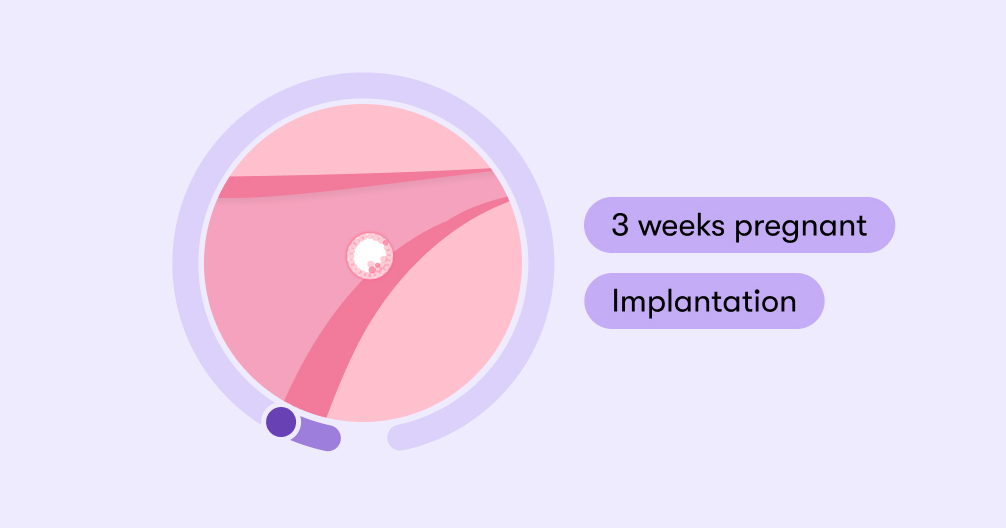
Pregnancy symptoms do not appear immediately after conception. They usually begin after implantation, which happens when the fertilized egg attaches to the uterus. This typically occurs around week 3 or even later.
Only after this does your body start producing pregnancy hormones like hCG.
These hormones are responsible for early symptoms such as:
- A missed period
- Nausea or a feeling of uneasiness
- Breast tenderness
- Increased fatigue
- Sensitivity to smell
Since none of this has happened in week 1, it is simply too early for your body to show these signs. This is why trying to “feel” pregnancy at this stage can lead to confusion and unnecessary stress.
“What If I Miss Something Important?”
This is one of the most common worries, especially for new parents. You may feel like you need to be extra alert. You may worry that if you don’t notice something early, you might make a mistake.
Thoughts like these are very natural:
- “What if I’m already pregnant and don’t realize it?”
- “What if I do something wrong at this stage?”
- “What if I miss an important sign?”
Take a moment here.
There is nothing you are missing in week 1. Your body is not developing a pregnancy yet—it is only preparing for the possibility of one. You are not late. You are not behind. You are not doing anything wrong. Pregnancy is not something that starts with a strong, immediate signal. It develops gradually, step by step.
What Should You Focus on Instead?
Instead of trying to detect pregnancy through feelings, it is more helpful to shift your focus slightly.
This stage is about supporting your body, not stressing it.
Start with simple, everyday habits:
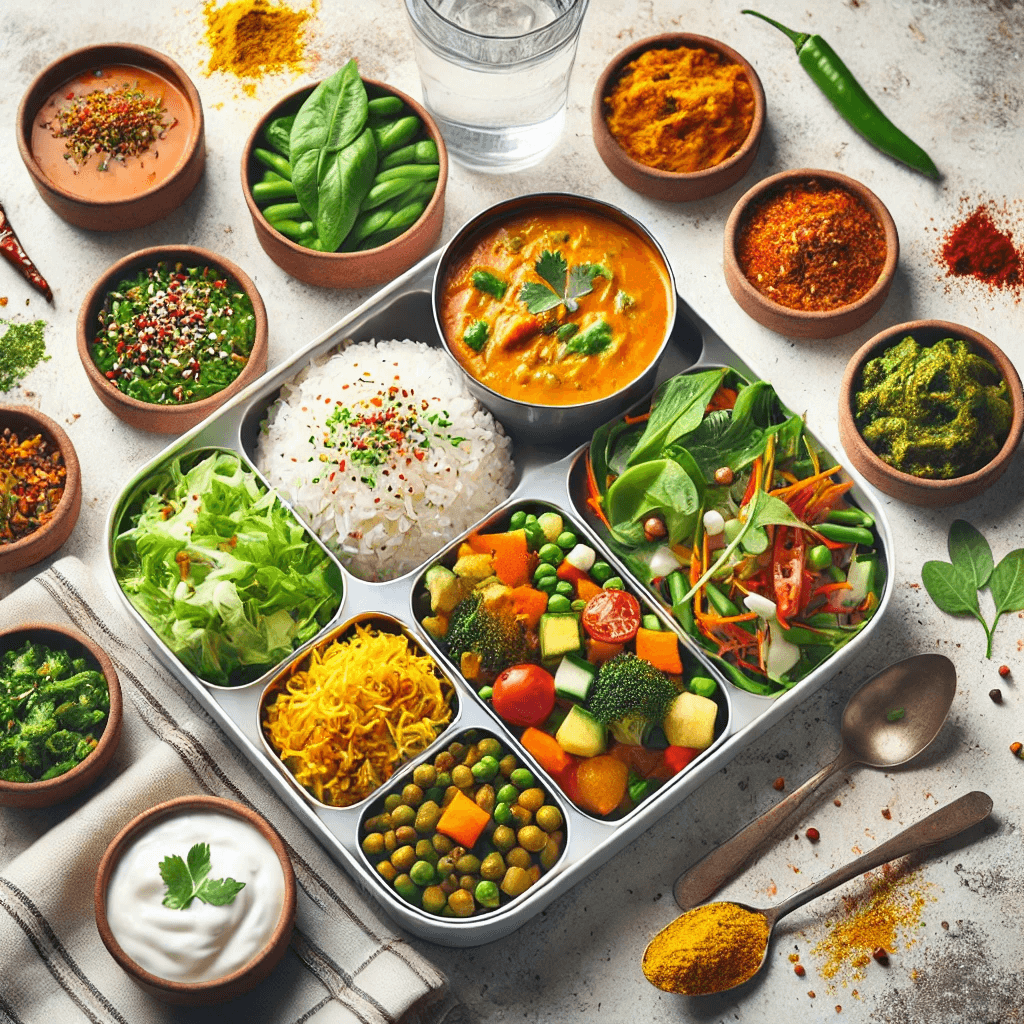
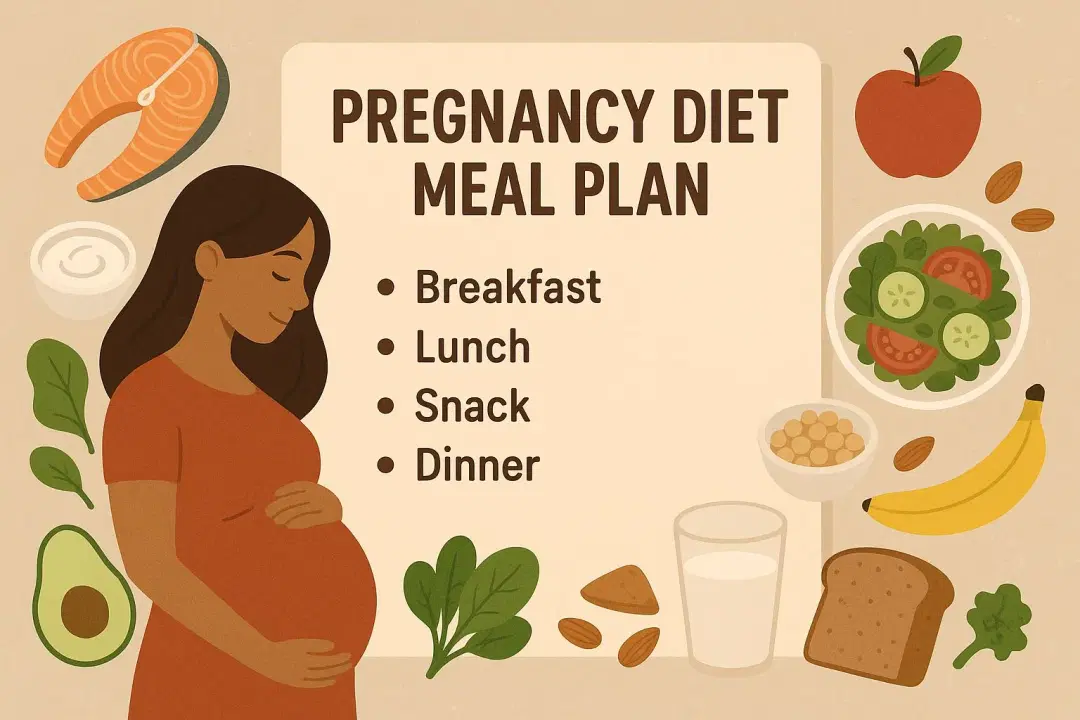
- Eat fresh, balanced meals
- Include fruits, vegetables, and whole foods
- Stay hydrated throughout the day
- Get enough sleep and rest
You don’t need to make drastic changes. Just basic care is enough.
Think ahead
If you are planning pregnancy, this is a good time to consider folic acid.
( Folic acid is a type of vitamin (Vitamin B9) that helps your body make new, healthy cells. It becomes especially important in early pregnancy because it supports the development of the baby’s brain and spine. )
It is always best to consult a doctor before starting any supplement.
Be a little mindful
At the same time, a few simple precautions can help:
- Avoid alcohol and smoking
- Limit caffeine intake
- Avoid taking medicines without medical advice
- Try to reduce unnecessary stress
These are not strict restrictions. They are just small, mindful steps to support your overall health.
A Small Reality Check
One of the biggest reasons for stress in this phase is expectation.
We expect pregnancy to feel like something immediately. We expect our body to give us a sign. We expect to “know” right away.
But the truth is, pregnancy does not begin with a strong feeling. Week 1 is quiet. There are no clear signs. No confirmation. Nothing dramatic happening inside your body yet.
And this silence can feel uncomfortable. It can make you overthink. It can make you question everything. But silence does not mean something is wrong.
It simply means the process has not started yet.
A Message for You (If You’re Overthinking)
If you find yourself constantly checking your body, googling symptoms or trying to connect every small feeling—you are not alone.
This phase can feel confusing because you are waiting without knowing. But here is something that might bring you some peace. You don’t need to figure everything out right now. You don’t need to detect pregnancy in week 1. You don’t need to be perfect from the beginning.
Not feeling anything is not a problem. It is completely natural. Your body is not behind. It is simply following its own timing.
Sometimes, the best thing you can do is to step back a little and stop over-analyzing every sensation.
Final Thoughts
So, can you feel pregnancy in the first week?
No—you usually cannot. And that is perfectly okay.
Week 1 is not about symptoms or signs. It is a preparation phase where your body is getting ready for what may come next.
Instead of searching for answers in every small change, focus on what you can control. Take care of your health. Keep your routine simple. Stay informed, but not overwhelmed.
Give yourself something more important than certainty—calmness, patience, and trust.
Because this journey does not begin with a strong feeling. It begins quietly, in its own time—and your body knows exactly how to handle it.

Parent With Purpose
Parent with Purpose is your trusted parenting resource, offering expert advice, practical tips, and real experiences from fellow parents. Our content is organized by your child’s age, from pregnancy to the teen years, ensuring guidance that’s relevant to your current stage. Learn through articles, videos, podcasts, and courses that fit your lifestyle. We also provide carefully curated book lists, meal plans, product recommendations, and India-focused resources to make parenting easier and more informed.