 5 min read
 How to Confirm Pregnancy Early? A Simple and Clear Guide
You start calculating dates in your head. You think about your last cycle. You begin noticing your body more closely than usual. Small changes feel bigger than they are. And somewhere in between all of this, one question keeps coming back—“How do I confirm this early?”

The moment you feel like you might be pregnant, your thoughts don’t stay still.
You start calculating dates in your head. You think about your last cycle. You begin noticing your body more closely than usual. Small changes feel bigger than they are. And somewhere in between all of this, one question keeps coming back—“How do I confirm this early?”
This phase can feel confusing. You don’t have clear answers yet, but you don’t want to ignore the possibility either. You want to be sure. You want to do the right thing from the beginning.
The good news is—there are ways to confirm pregnancy early. But it’s equally important to understand what is reliable, what is too early, and what can sometimes mislead you.
Let’s go step by step, in a simple and clear way.
When Does Pregnancy Actually Begin?
Before talking about confirmation, it helps to understand timing.
Pregnancy does not begin immediately after intercourse. It’s a process.
First, ovulation happens—this is when your body releases an egg. If sperm meets the egg, fertilization takes place. After that, the fertilized egg travels and attaches itself to the uterus. This step is called implantation.
This entire process usually takes a few days.
Only after implantation does your body start producing the pregnancy hormone called hCG. This hormone is what most pregnancy tests detect.
So if you try to confirm pregnancy too early, you may not get an accurate result.
What Are the Earliest Signs You Might Notice?
Before you even take a test, your body may give you a few early hints. These are not confirmations, but they can make you more aware.
Some early signs include:
- A missed or delayed period
- Mild cramps without bleeding
- Feeling more tired than usual
- Slight breast tenderness
- Mood changes or sensitivity
These signs can feel meaningful, especially if you are trying to conceive. But it’s important to remember that they are not reliable proof. Many of these can also happen due to normal hormonal changes.
So while they can guide your attention, they should not be the only way you confirm pregnancy.
The Most Reliable Way: Home Pregnancy Test
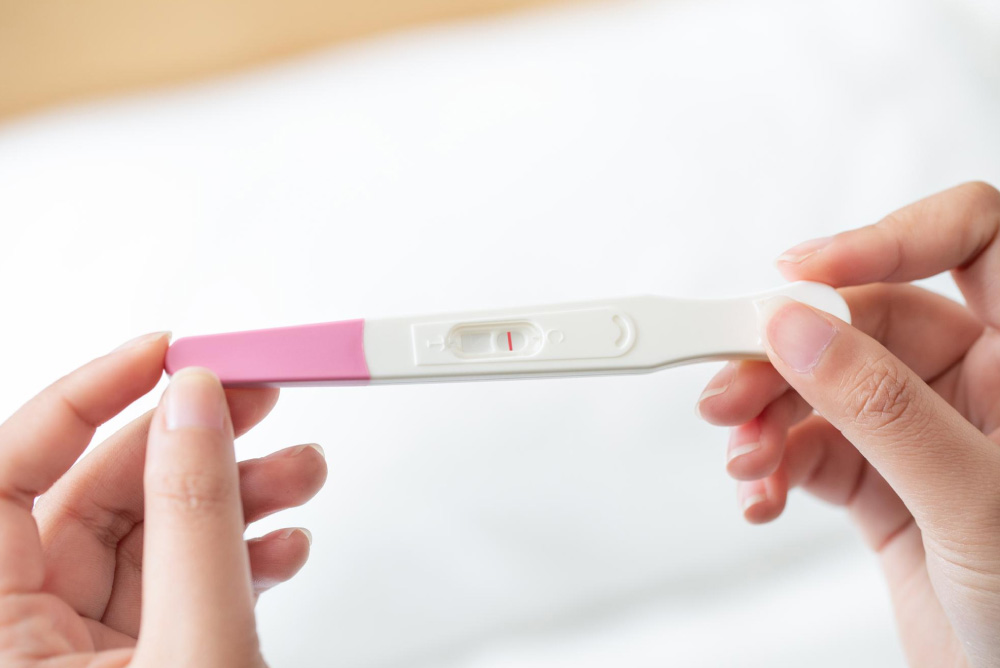
The easiest and most commonly used method is a home pregnancy test.
These tests are designed to detect the hCG hormone in your urine. They are easily available and simple to use.
When should you take the test?
Timing matters a lot here.
- The best time is after you miss your period
- For more accurate results, wait at least 5–7 days after a missed period
- Early morning urine gives better results because it has a higher concentration of hCG
Taking the test too early may give a false negative, even if you are pregnant.
How does it work?
You simply use the test strip as instructed, wait for a few minutes, and check the result.
- Two lines usually mean positive
- One line usually means negative
Always follow the instructions mentioned on the test kit for clarity.
Can You Test Before a Missed Period?
Many people try to test early because waiting feels difficult.
Some early detection kits claim to work before a missed period. While they can sometimes detect pregnancy, they are not always reliable at that stage.
If you test too early:
- hCG levels may still be low
- You may get a negative result even if you are pregnant
- This can create unnecessary confusion
If the result is negative but your period is still delayed, it’s always better to repeat the test after a few days.
Blood Test for Pregnancy Confirmation
If you want a more accurate and early confirmation, a blood test can help.
A blood test can detect even small amounts of hCG and can confirm pregnancy earlier than a urine test.
There are two types:
- Qualitative test: Confirms whether you are pregnant or not
- Quantitative test: Measures the exact level of hCG in your body
Doctors usually recommend this if:
- There is confusion in home test results
- You want early confirmation
- There are specific medical concerns
When Should You Visit a Doctor?
You don’t need to rush immediately, but there are certain situations where a doctor visit is helpful.
- If your home test is positive
- If your period is delayed but test results are unclear
- If you have irregular cycles
- If you are experiencing unusual pain or discomfort
A doctor can guide you properly and may suggest further tests if needed.
Common Mistakes While Trying to Confirm Pregnancy Early
This stage often comes with impatience, and that can lead to small mistakes.
Some common ones include:
- Testing too early
- Not following instructions on the test kit
- Checking results too quickly or too late
- Relying only on symptoms
- Taking multiple tests within a very short time
These can lead to confusion and unnecessary stress.
It’s better to take a calm and slightly patient approach for accurate results.
Why Waiting Feels So Difficult
The waiting period between suspecting pregnancy and confirming it can feel long.
You may keep thinking about it throughout the day. You may search online repeatedly. You may compare your symptoms with others.
This is completely normal.
You are dealing with uncertainty, and your mind naturally wants answers.
But pregnancy is not something that can always be confirmed instantly. Your body needs time to go through its process.
Trying to rush confirmation often leads to more confusion than clarity.
What Should You Do During This Waiting Phase?
Instead of constantly checking or overthinking, it helps to focus on simple things you can control.
- Maintain a healthy routine
- Eat balanced meals
- Stay hydrated
- Get enough rest
- Avoid stress as much as possible
If you are planning pregnancy, you can also speak to a doctor about starting folic acid. It is a simple vitamin that supports healthy cell development and becomes important in early pregnancy.
At the same time, be mindful of a few things:
- Avoid alcohol and smoking
- Limit caffeine
- Avoid unnecessary medications
These are small, practical steps—not strict rules.
A Message for Anyone Feeling Confused Right Now
If you are in that phase where you are unsure, waiting, and trying to understand what your body is telling you—it can feel overwhelming. You might feel like you need to confirm everything immediately. You might feel like you cannot relax until you know for sure.
But here’s something important to remember. You don’t have to rush this. Pregnancy confirmation is a process. It happens step by step. It becomes clearer with time.Not knowing right away is not a problem. It’s part of the journey.
Final Thoughts
So, how can you confirm pregnancy early?
The most reliable way is through a home pregnancy test taken at the right time, followed by a doctor consultation if needed. Blood tests can provide earlier and more accurate confirmation when required.
Early signs can give you a hint, but they are not proof. Timing plays a key role, and testing too early can lead to confusion. Instead of trying to confirm everything immediately, give your body the time it needs. Stay aware, but don’t let that awareness turn into stress.
Take care of your health. Keep your approach simple. And allow the process to unfold naturally.
Because in the end, clarity doesn’t come from rushing—it comes from the right timing and a little patience

Parent With Purpose
Parent with Purpose is your trusted parenting resource, offering expert advice, practical tips, and real experiences from fellow parents. Our content is organized by your child’s age, from pregnancy to the teen years, ensuring guidance that’s relevant to your current stage. Learn through articles, videos, podcasts, and courses that fit your lifestyle. We also provide carefully curated book lists, meal plans, product recommendations, and India-focused resources to make parenting easier and more informed.