 3 min read
 Why Modern Parents Feel More Alone Than Any Generation Before - and What Helps
Parenting was never meant to be done alone. This article explores the rise of parental loneliness in India, the impact of changing family structures, and practical ways parents can create stronger support networks.

A 2021 survey found that 65% of Indian parents feel isolated. In a country where 'it takes a village' used to be lived experience rather than a parenting slogan, this is a striking number.
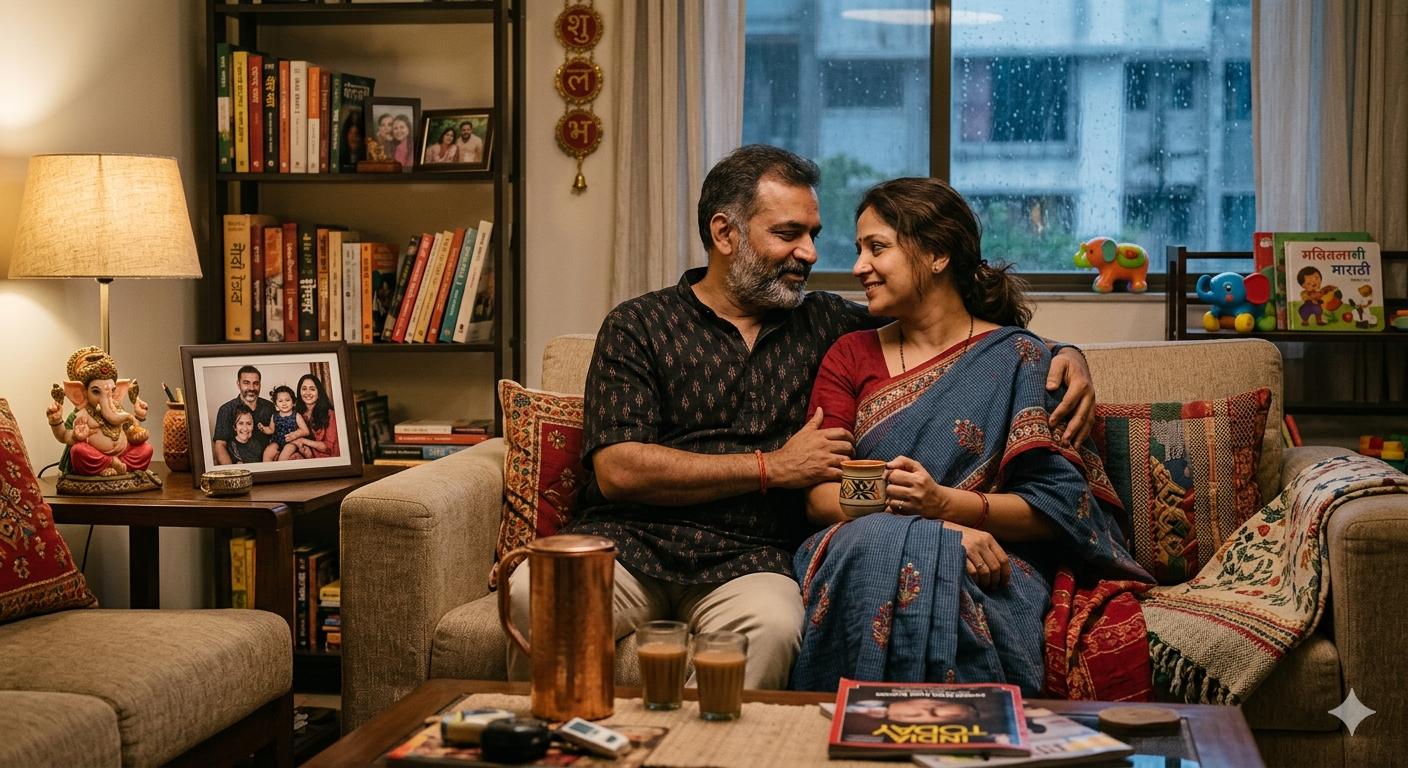
Something structural has shifted. The village has largely disbanded - not all at once, but through a series of quiet moves. Joint families contracted into nuclear ones. Career opportunities pulled families to new cities. Apartments replaced neighbourhoods where you knew everyone. The support network that previous generations took for granted became something today's parents have to consciously rebuild - often without knowing that rebuilding is even possible.
The Scale of the Problem
The research is consistent across countries and cultures:
- A landmark study across 42 countries (Mikolajczak & Roskam, 2023, Social Psychiatry and Psychiatric Epidemiology) found that parental burnout prevalence is highest in countries with high individualism - where parents are structurally isolated from community support
- Harvard researchers found that 50% of mothers with young children report serious loneliness
- Nearly 2 in 5 parents in the same research said they have no one to support them in their parenting role
- A 2025 Guardian report documented that 35% of parents frequently feel burned out by their parenting role
- In India specifically: the shift from joint family to nuclear family has been rapid - in one generation, the default shifted, and the emotional architecture that joint family living provided was not replaced with any equivalent structure
Why It Feels Worse Than It Should
Modern parents are paradoxically more connected - more WhatsApp groups, more parent networks, more Instagram communities - and more lonely. The explanation lies in the quality of connection, not the quantity.
Social media parenting communities provide information, sometimes validation, and occasionally community. They do not provide what the research consistently shows matters most for parental wellbeing: face-to-face, reciprocal relationships where you can be unpolished and real, and where someone else takes on a portion of the care load.
Reading about what someone else did with their child is not the same as having someone who can take your child for two hours when you are at the end of your tether. The first is available in abundance in 2027. The second is rarer than it has ever been.
What Actually Helps - Evidence-Based Approaches
1. Name it first
Parental loneliness is significantly underdiagnosed because it is significantly under-disclosed. Parents - especially mothers - are expected to experience parenthood as primarily fulfilling. Saying 'I love my children and I am also profoundly alone in this' feels like an admission of failure rather than an accurate description of a structural problem. Name it. The naming is the beginning of addressing it.
2. Invest in one real relationship per season
The research on loneliness consistently shows that 3–5 close relationships provide the wellbeing benefits of social connection; quantity beyond that provides diminishing returns. For overwhelmed parents, pursuing 10 acquaintances is less effective than deepening one relationship. Invest specifically in one friendship or parenting relationship this season - consistently, with scheduling, treating it as non-optional.
3. Accept imperfect help
Many Indian parents - particularly mothers - reject offered help because it doesn't meet the standard they would apply to their own parenting. 'The kids will sleep late if they stay at your place' is allowed to be true and still worth accepting. The help you accept imperfectly is infinitely more valuable than the help you refuse to protect your standards.
4. Seek reciprocal arrangements, not just support
Relationships where you only receive feel uncomfortable over time. The most sustainable parent support networks are reciprocal - school pickup trades, cooking swaps, childcare exchanges. Being needed is as important as being helped. Build structures where you are both.
You are not failing at parenting because you feel alone. You are successfully parenting in conditions that were not designed for individual parents to manage alone. The loneliness is a design flaw in modern living, not a personal inadequacy.
What does your support system look like right now? Honest answer, no judgment.

Parent With Purpose
Parent with Purpose is your trusted parenting resource, offering expert advice, practical tips, and real experiences from fellow parents. Our content is organized by your child’s age, from pregnancy to the teen years, ensuring guidance that’s relevant to your current stage. Learn through articles, videos, podcasts, and courses that fit your lifestyle. We also provide carefully curated book lists, meal plans, product recommendations, and India-focused resources to make parenting easier and more informed.