 3 min read
 The Hidden Crisis: How Junk, Refined, and Processed Foods Threaten Children's Health in India
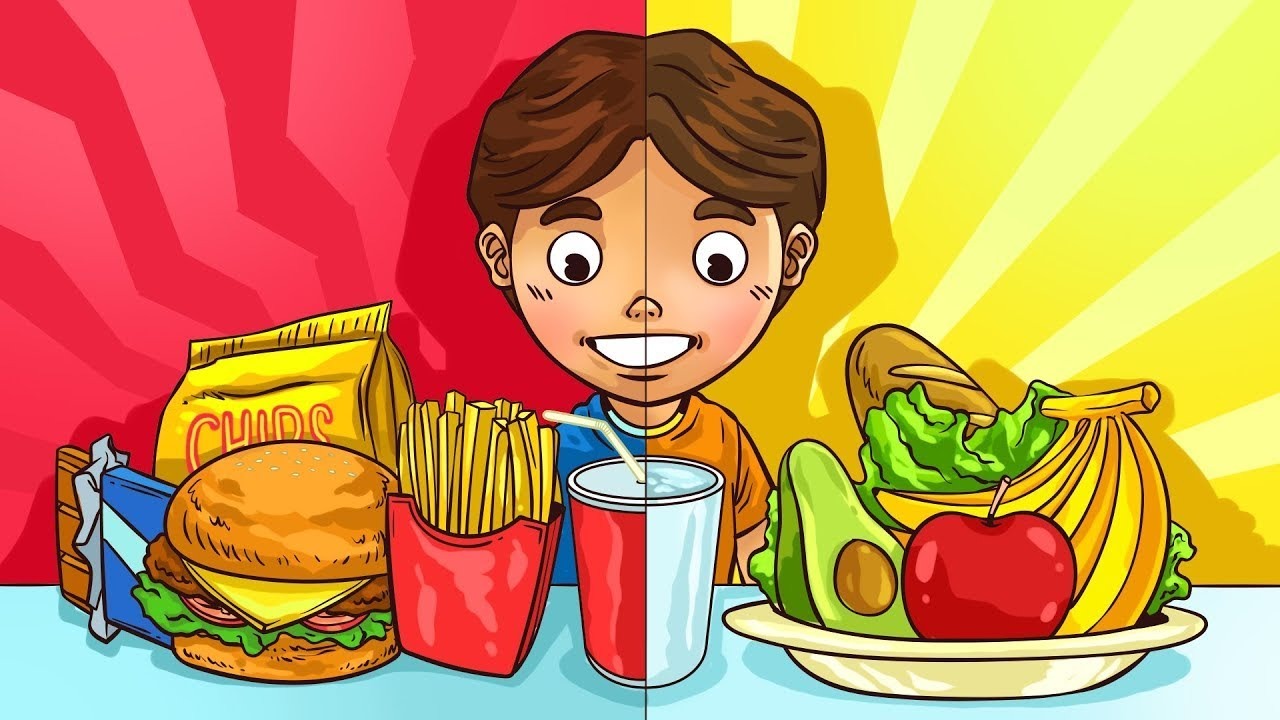
India is witnessing a silent nutritional emergency. While the country once struggled primarily with undernutrition, a dramatic shift has occurred: childhood obesity and diet-related diseases are now surging. In 2025, 14.9 million children aged 5–9 years and over 26 million adolescents aged 10–19 were overweight or obese. The proportion of overweight children under five has doubled from 1.9% to around 4% in many states. This alarming trend is driven largely by the rising consumption of junk, refined, and ultra-processed foods and drinks.

A Pan-India Reality, fifty-three percent of children now consume ultra-processed foods daily, and these children are gaining weight at alarming rates. Common unhealthy foods preferred by Indian adolescents include chocolate, packaged snacks, bakery items, fried foods, carbonated drinks, and locally made items like aloo tikki, samosa, chole kulcha, and bhelpuri. The shift is driven by peer influence (21.2%), parental unhealthy food behavior (15.1%), and massive media exposure (18.1%).
Physical Health Consequences: From Obesity to Diabetes
- Obesity and Weight Gain
Fast food and processed items are exceptionally high in calories, sugar, and fat. The energy density of fast food is more than twice the recommended daily allowance for children. This directly leads to weight gain, with overweight and obesity rates exceeding 14% in private school children roughly twice the 7.2% recorded in government schools.
- Type 2 Diabetes
The high sugar content in junk foods and sugary drinks causes dangerous blood sugar spikes followed by crashes. Children consuming more sugar-sweetened beverages (SSBs) had higher fasting glucose levels and lower insulin sensitivity key risk factors for type 2 diabetes. SSB intake consistently increases obesity risk, and childhood obesity tends to persist into adulthood, dramatically increasing diabetes risk. By 2040, 20 million children will be living with obesity in India.
- Heart Disease and High Blood Pressure
Fast foods contain high levels of fat, sugars, sodium, and trans fats. The high sodium content leads to high blood pressure, while saturated and trans fats raise cholesterol levels. High trans fat content in commercially available fast foods predisposes children to future heart diseases. Consumption of trans fats increases cardiovascular disease risk by 29% and also leads to hypertension, diabetes, and kidney/liver failure. High-fat and sugary diets can impair blood vessel function as early as adolescence.
- Metabolic Syndrome and Fatty Liver
Processed foods contribute to metabolic syndrome, fatty liver disease, dyslipidemia, and impaired glucose tolerance.
- Mental and Behavioral Impact
Hyperactivity and ADHD
Studies show that a diet high in fast food and sugary drinks leads to behavioral problems including hyperactivity, attention deficit disorder (ADD), and even depression. Artificial food colorings commonly found in junk foods exacerbate hyperactive behavior in children. A placebo-controlled study of 297 children showed higher hyperactivity scores when ingesting food colorings. Artificial colors or sodium benzoate preservatives result in increased hyperactivity in both 3-year-old and 8/9-year-old children.
- Mood Swings and Irritability
The high sugar content causes blood sugar spikes followed by crashes, leaving children feeling irritable and moody. Processed foods can lead to drastic mood swings.
- Brain Development
Processed foods contribute to hindered brain development in children.
Nutritional Deficiencies and Long-Term Damage
Junk and processed foods are nutrient-poor despite being calorie-dense. They lead to:
- Nutrient deficiency from inadequate fruits, vegetables, and whole grains.
- Poor digestion and gastrointestinal problems
- Inflammation throughout the body.
- Food coloring causes lapses of concentration.
These foods create an "addictive vicious cycle" that makes it hard for children to choose healthy food. Poor dietary behavior in children continues later in life, contributing to diet-related non-communicable diseases.
The Indian Academy of Pediatrics Guidelines
- JUNCS (Junk foods, Ultra-processed foods, Carbonated drinks, Sugary beverages) should be avoided as much as possible and limited to one serving per week at maximum
- Infants and children under 2 years should not be given fruit juices or drinks at all
- Children aged 2–5 years: maximum 125 mL (half cup) of fruit juice daily
- Children aged 5–18 years: limit to 250 mL per day maximum
- No caffeinated drinks for any children or adolescents
These foods correlate with higher BMI, increased free sugar and energy intake, and adverse cardio metabolic effects.
Why India Is Particularly Vulnerable :
India's rapid economic growth and entry of foreign food industry players have exponentially increased ultra-processed food consumption over the last decade. Obesity rates among children increased by 19.3% between 2005–06 and 2015–16. India now overtakes the US in childhood obesity, second only to China globally.
The fix begins with families, not pharmacies. Experts insist that addressing childhood obesity requires changing family eating habits, reducing screen time, improving sleep, and replacing snacks with nutritious alternatives. Parents must recognize that fast foods contain addictive high levels of fat and sugars that create a vicious cycle.
Teaching healthy eating habits early is vital for helping children make nutritious choices as adults. The widespread availability and increasing consumption of junk foods among Indian children creates an urgent need for managing intake. Without intervention, India faces a generation burdened by diabetes, heart disease, hypertension, and compromised mental health—all stemming from the invisible toxicity of junk, refined, and processed foods.
The crisis is real, the data is clear, and the time for action is now.
Rashmi Gaurav Somani ( MS RD )
Clinical Nutritionist & Obesity Mgt Consultant
Nutricure