 3 min read
 Sattu Shake: Traditional Powerhouse for Protein, Hydration & Energy
Sattu — a traditional Indian flour made by roasting and grinding Bengal gram (chana) — is a remarkably simple, nutritious ingredient with deep roots in regional diets across Bihar, Uttar Pradesh, and other parts of India. Often overlooked in favour of packaged protein powders and fancy sports drinks, sattu deserves attention for its balanced nutrient profile, affordability, and versatility. A basic sattu shake can supply protein, fiber, vitamins, minerals, hydration, and sustained energy without the need for expensive supplements or artificial additives.

The hallmark of sattu is its concentrated plant-based protein. Because it is made from roasted chana, sattu delivers a higher protein density than many other traditional flours, making it an excellent choice for vegetarians, athletes, and anyone aiming to meet daily protein needs from plant sources. Beyond protein, sattu provides substantial dietary fiber that slows digestion, prolongs satiety, and supports steady blood glucose levels — an especially useful feature for people who want to avoid mid-morning energy crashes and curtail unnecessary snacking.
Benefits of Drinking a Sattu Shake
-
Rich source of protein. Protein supports muscle growth, repair, immune function, and overall metabolic health. A sattu shake is an accessible, natural way to boost daily protein intake without relying on processed protein powders.
-
Keeps you full. The combination of protein and fiber in sattu delays gastric emptying and promotes a sensation of fullness. A morning sattu shake can keep hunger at bay for several hours, simplifying weight-management efforts and reducing grazing through the day.
-
Improves digestion. The fibre in sattu feeds beneficial gut bacteria, encourages regular bowel movements, and helps prevent constipation. Because the chickpeas are roasted before grinding, sattu is also gentle on the stomach and easy to digest for many people.
-
Provides long-lasting energy. Unlike sugary energy drinks that spike blood sugar and lead to crashes, sattu supplies slow-release carbohydrates paired with protein and fibre. This yields a steadier energy supply that supports cognitive focus and physical activity over extended periods.
-
Helps hydration. In hot weather or after intense exercise, mixing sattu with water, a squeeze of lemon, and a pinch of salt provides fluids plus minerals lost through sweat. When prepared thoughtfully, a sattu beverage can act as a natural, low-cost rehydration drink.
-
Supports weight management. Because it reduces hunger and provides nutrient-dense calories, sattu can be a helpful component of a balanced weight-management plan when combined with portion control and regular activity.
Sattu Shake vs Market Hydration Drinks
Sattu shakes naturally deliver a combination of protein, fiber, complex carbohydrates, vitamins, and minerals, and they can also hydrate when prepared with water or buttermilk. Commercial hydration drinks such as Gatorade, Electral, ORSL, Glucon-D, Fast&Up Reload, and others primarily provide rapid fluid replacement, simple sugars, and electrolytes (sodium and potassium). While those products are effective for quick rehydration during or after prolonged, high-intensity exercise, many contain added sugars, artificial flavors, preservatives, or sweeteners and can be costly for daily use. Sattu offers a whole-food, unprocessed alternative that nourishes as well as hydrates, making it particularly attractive for everyday consumption and for those preferring traditional foods.
Who benefits most from a sattu shake?
-
Students who need sustained mental energy through study sessions.
-
Office workers who want a quick, healthy breakfast that curbs mid-morning hunger.
-
Athletes and fitness enthusiasts seeking plant-based protein and slow-release fuel.
-
Vegetarians and those reducing animal products who still need protein-dense options.
-
People aiming to manage weight through improved satiety and reduced snacking.
-
Anyone looking for a natural, inexpensive alternative to processed beverages and supplements.
Sattu is a reminder that simple, traditional foods are often some of the healthiest options available. Incorporating a daily sattu shake supports strength, digestion, hydration, and stable energy levels while keeping costs and processing to a minimum. For busy modern lifestyles, a quick sattu drink combines convenience with nourishment and ties us back to culinary traditions that sustained communities long before industrial supplements became ubiquitous.
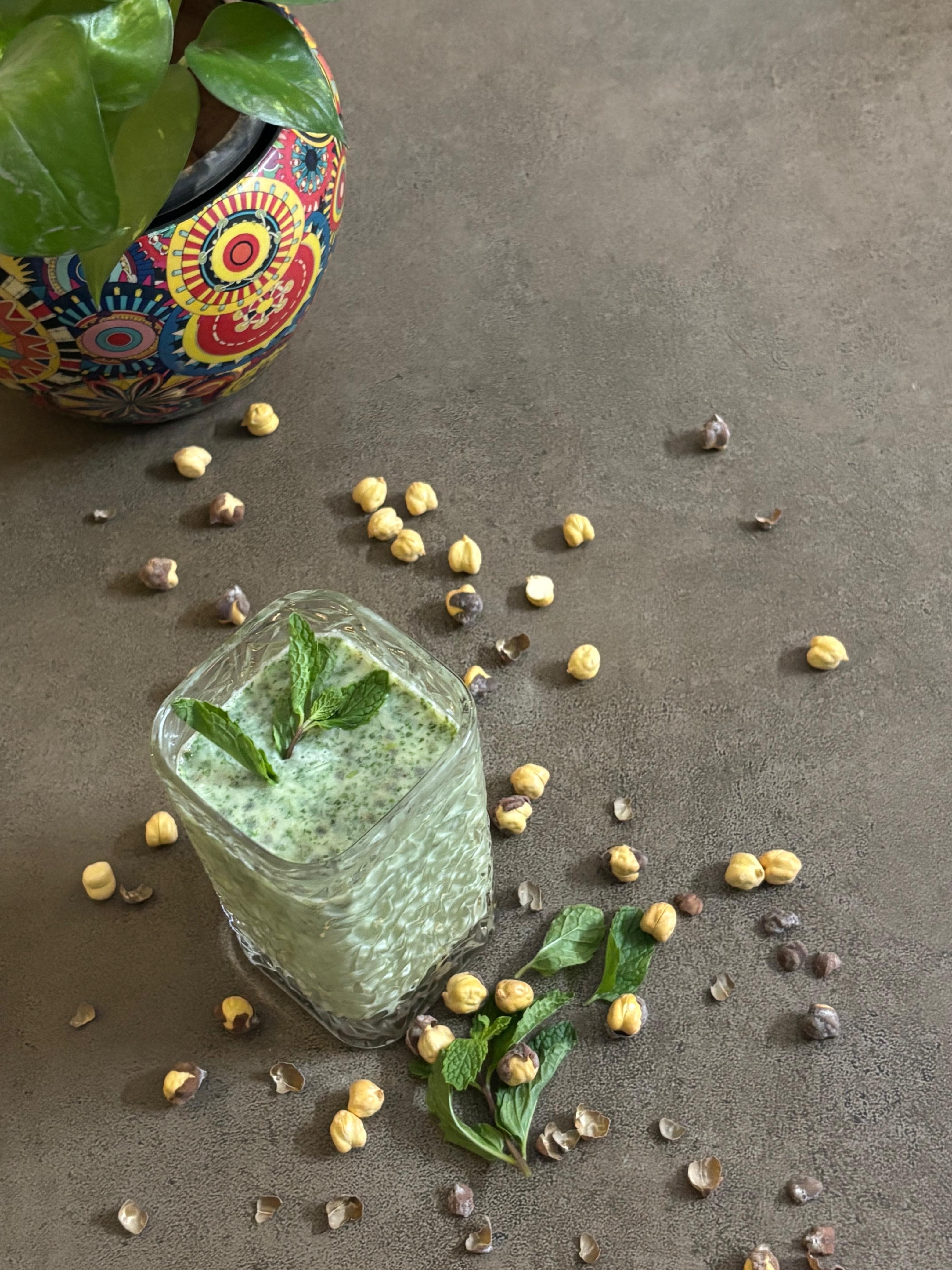
Sattu Shake (Refreshing Savoury Version)
Ingredients
-
2 tsp sattu powder
-
1 tbsp curd (yoghurt)
-
4–5 coriander leaves
-
3–4 mint leaves
-
1/4 tsp cumin powder (jeera)
-
1/4 tsp black salt
-
1 tsp lemon juice
-
1 tsp sabja (basil seeds) soaked
-
250 ml water
Method
-
Soak sabja for 5–10 minutes and drain.
-
Add sattu powder, curd, herbs, cumin, black salt, lemon juice, sabja, and water to a blender.
-
Blend until smooth and frothy.
-
Serve chilled, garnished with a few coriander leaves or a lemon wedge.
Rashmi Gaurav Somani ( MS RD )
Clinical Nutritionist & Obesity Mgt Consultant
Nutricure