 3 min read
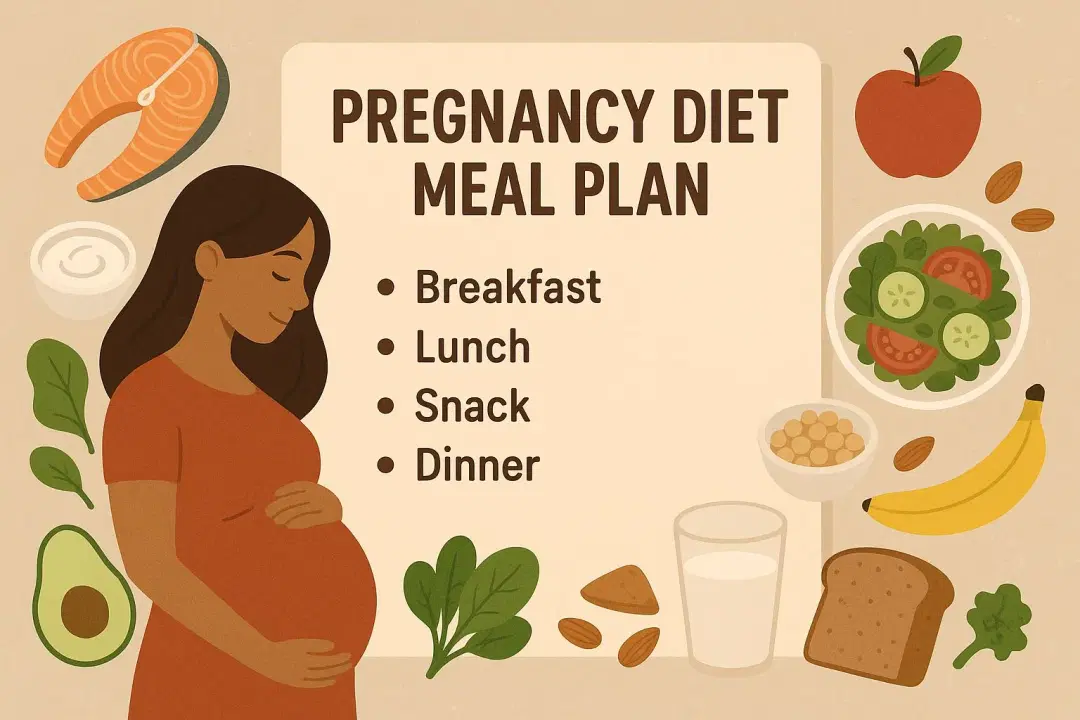
 Pregnancy Diet in the Second Trimester: What Every Indian Mother Needs to Eat
By week 14, your morning sickness has (hopefully) eased, your appetite has returned, and your baby is in a period of rapid, intensive growth. What you eat now matters enormously.

By week 14, your morning sickness has (hopefully) eased, your appetite has returned, and your baby is in a period of rapid, intensive growth. What you eat now matters enormously.
This blog is your practical, India-specific guide to second-trimester nutrition - written for real Indian kitchens, Indian grocery shops, and Indian mothers who may be vegetarian, semi-vegetarian, or managing dietary restrictions.
Why does diet matter more in the second trimester?
Your baby's skeleton is hardening, brain cells are multiplying at 250,000 per minute, muscles are forming, and organs are maturing. All of this requires a steady supply of specific nutrients. At the same time, your blood volume has increased by 40–50%, your kidneys are working harder, and your own body is preparing for the demands of the third trimester.
The Indian Council of Medical Research (ICMR) recommends pregnant women increase their caloric intake by approximately 350 calories per day in the second trimester, with specific increases in iron, calcium, protein, and folic acid.
Source: ICMR – Recommended Dietary Allowances and Estimated Average Requirements for Indians, 2020
The most important nutrients - and where to find them in Indian food
1. Iron - the most critical nutrient for Indian pregnant women
Anaemia affects approximately 50% of pregnant Indian women (ICMR 2020). Low iron means less oxygen reaching your baby, which affects development. It also increases your risk of preterm birth and low birth weight.
-
Palak (spinach), methi (fenugreek leaves), sarson ka saag dark green vegetables are your best plant-based iron source
-
Rajma, chana, moong, masoor dal all excellent iron-rich legumes
-
Ragi (finger millet) one of India's most iron-dense grains
-
Dates (khajoor) and dried figs (anjeer) easy to snack on, naturally iron-rich
-
Liver (for non-vegetarians, once a week) the single richest dietary iron source
Pro tip: Always eat iron-rich foods with a source of Vitamin C, nimbu (lemon), amla, and tomato to increase absorption by up to 3x. Do not drink tea or chai within an hour of eating iron-rich foods, tannins block iron absorption significantly.
Source: ICMR – Dietary Guidelines for Pregnant Women 2020 | WHO Anaemia in Pregnancy
2. Calcium - for your baby's growing bones
Your baby's skeleton is hardening rapidly from week 14 onwards. If your diet is low in calcium, your body will pull it from your own bones to supply the baby. Calcium needs in pregnancy are approximately 1,200mg per day.
-
Dahi (curd): One bowl (200g) provides approximately 240mg calcium
-
Paneer: 100g provides approximately 208mg calcium
-
Til (sesame seeds): A tablespoon provides approximately 88mg sprinkle on food or use as til chutney
-
Ragi: Among the highest plant-based calcium sources available in India
-
Milk: 1 glass provides approximately 300mg calcium
-
Moringa (drumstick leaves/sahjan): Extraordinary calcium content 440mg per 100g
Source: National Institute of Nutrition (NIN) India – Nutritive Value of Indian Foods
3. Protein - for every cell in your baby's body
Protein needs increase to approximately 78g per day during pregnancy (up from 55g normally). Here is how Indian meals can meet this:
-
Dal: 1 katori (150ml cooked) provides approximately 9-12g protein
-
Sprouted legumes: Sprouting increases protein availability and digestibility
-
Eggs: 2 eggs provide approximately 12g complete protein
-
Paneer: 100g provides approximately 18g protein
-
Chicken or fish (if non-vegetarian): 100g provides 20-25g protein
-
Soya: Tofu, soya chunks, and edamame are excellent vegetarian protein sources
Source: ICMR 2020 – Protein Requirements During Pregnancy
4. Folate (Folic acid) - still essential in the second trimester
While folic acid is most critical in the first trimester, it remains important throughout pregnancy for your baby's brain and spinal development.
-
Moong dal, tur dal, chana, all excellent folate sources
-
Green leafy vegetables: palak, methi, coriander
-
Beetroot, okra (bhindi)
-
Your prescribed folic acid supplement continue taking it
5. Omega-3 fatty acids - for your baby's brain
-
Akhrot (walnut): 5-6 walnuts daily provide a significant omega-3 dose
-
Alsi (flaxseeds): 1 tablespoon ground flaxseed in roti flour or sprinkled on food
Source: ICMR 2020 | National Institute of Nutrition India – Nutritive Value of Indian Foods
Foods to limit or avoid in the second trimester
-
Excess salt: Increases blood pressure risk. Cook with less namak and avoid packaged, processed salty snacks.
-
Maida and sugary foods: High glycaemic index foods contribute to gestational diabetes risk very relevant for Indian women.
-
Unpasteurised milk and raw dairy: Risk of listeria infection
-
Excess caffeine: Limit to 1-2 cups of chai or coffee per day (under 200mg caffeine)
-
Raw papaya and excess pineapple: Traditional caution supported by some evidence avoid large quantities
Source: WHO – Nutritional Counselling for Pregnant Women | FOGSI Dietary Guidelines
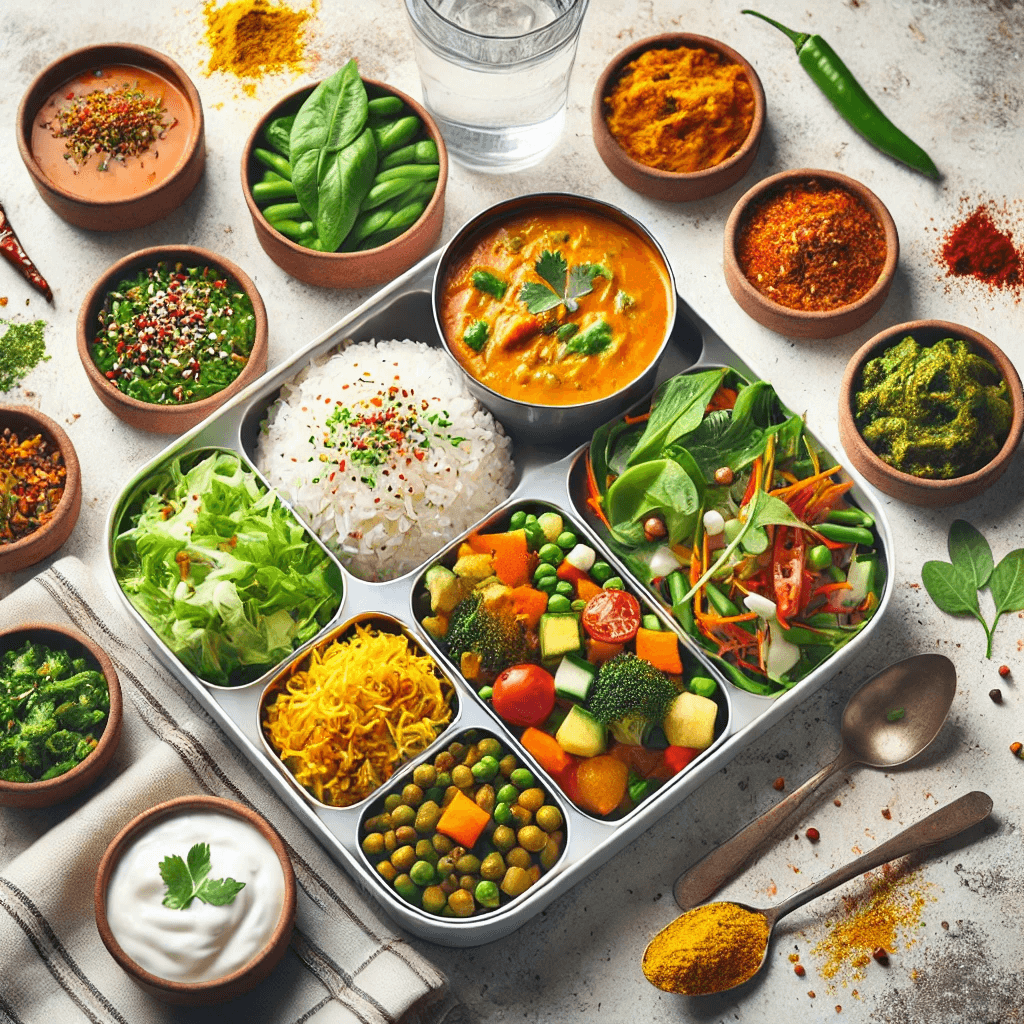
Simple second trimester meal plan for Indian mothers
Here is a practical daily framework adjust quantities to your appetite:
-
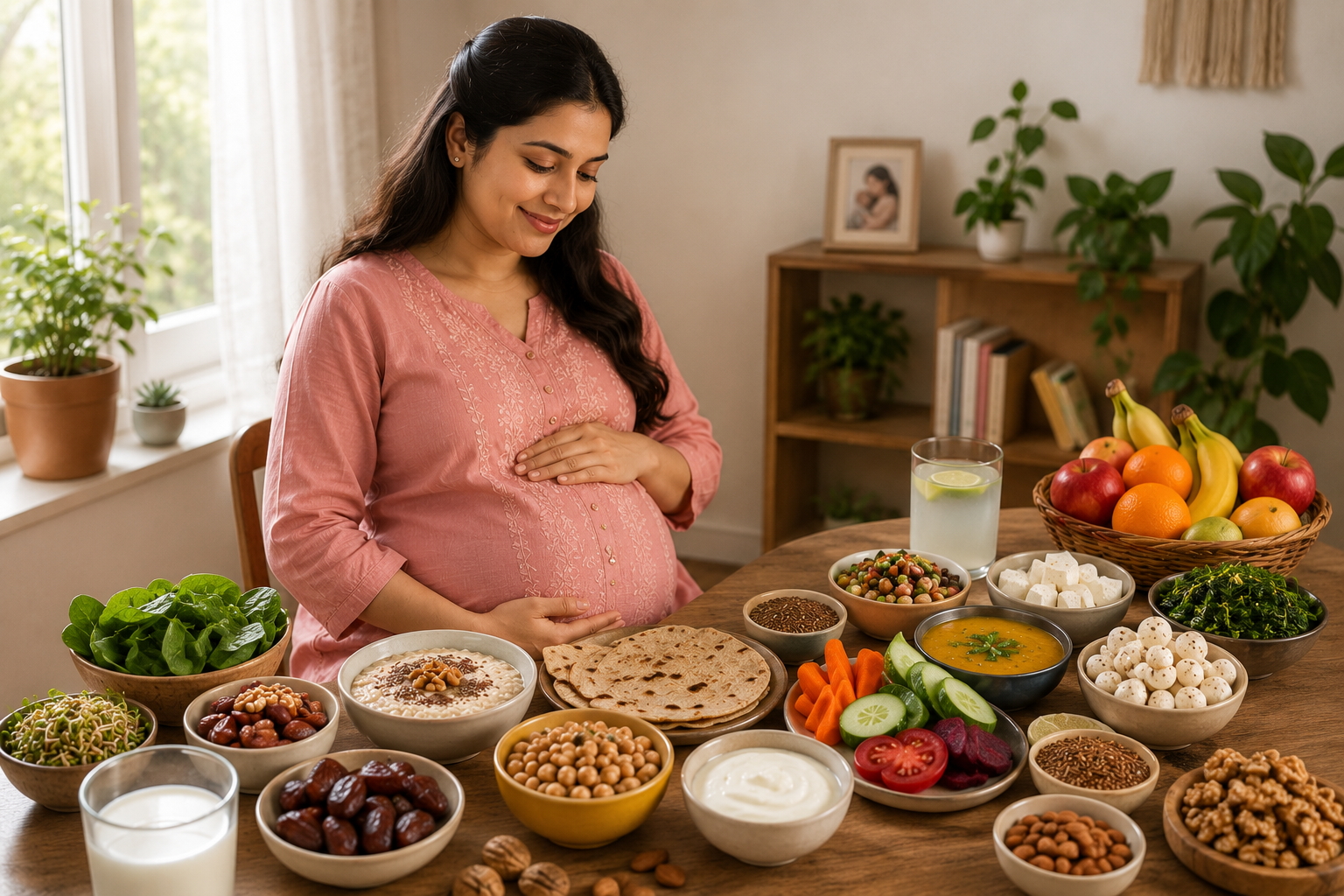
Morning: Ragi porridge or oats with milk + seasonal fruit + a handful of soaked akhrot
-
Mid-morning: Nimbu paani or coconut water + a small bowl of sprouts or chana chaat
-
Lunch: 2 rotis + dal + sabzi (ideally green leafy) + dahi + salad
-
Evening: Boiled chana or makhana (fox nuts) + a glass of milk or buttermilk
-
Dinner: Rice + sabzi + dal or eggs (if non-vegetarian, lean protein 2–3 times a week)
-
Before bed: A glass of warm haldi doodh (turmeric milk) if comfortable

Parent With Purpose
Parent with Purpose is your trusted parenting resource, offering expert advice, practical tips, and real experiences from fellow parents. Our content is organized by your child’s age, from pregnancy to the teen years, ensuring guidance that’s relevant to your current stage. Learn through articles, videos, podcasts, and courses that fit your lifestyle. We also provide carefully curated book lists, meal plans, product recommendations, and India-focused resources to make parenting easier and more informed.