 5 min read
 Why Does My Newborn Cry Even After Feeding? Understanding Early Behaviour (0–6 Months)
You finally feed your baby. They seem full. Maybe they even drift off for a...

You finally feed your baby. They seem full. Maybe they even drift off for a moment. And then—out of nowhere—the crying starts again. If you’ve ever sat there thinking, “But I just fed you… what’s wrong?”, you’re not alone. This is one of the most searched, most confusing, and honestly most emotional questions new parents have.
Let’s unpack this gently and clearly—because the answer isn’t just one thing. Your baby isn’t being difficult. They’re communicating the only way they know how.
Crying Is Not Just About Hunger
One of the biggest myths around newborns is that feeding solves everything. It helps, yes—but crying is not a single-cause behaviour.
In the first few months, babies cry for many reasons, and hunger is just one of them. So when your baby cries even after feeding, it doesn’t mean something is wrong—it simply means they’re trying to tell you something else. Think of crying as your baby’s language. Not a problem, but a message.
The Need for Comfort Goes Beyond Feeding
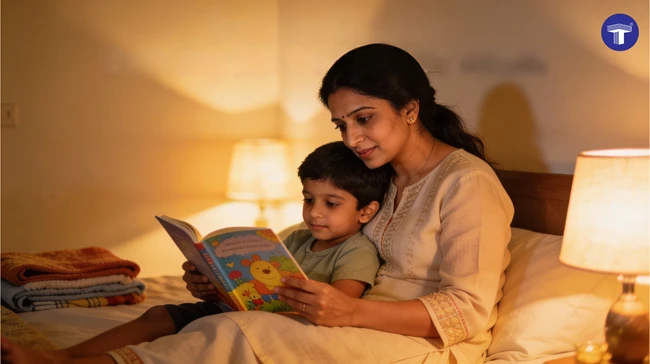
Feeding is not just about milk. It’s also about closeness, warmth, and security. But once feeding ends, some babies still crave that emotional and physical comfort. Your newborn has spent months inside a safe, quiet, constantly held environment. Suddenly, the outside world feels big and unfamiliar. So even after their tummy is full, their need to feel held and secure continues.
This is why many babies cry the moment they’re put down—even after a good feed. It’s not a habit or “spoiling.” It’s simply their way of asking, “Can I still stay close?”
Gas and Digestive Discomfort
A very common reason babies cry after feeding is something we don’t always see—gas. Newborn digestive systems are still developing. While feeding, babies often swallow air. This can create discomfort in their tiny stomachs.
You might notice:
- Squirming or pulling legs up
- Arching the back
- Sudden crying after feeding
- Difficulty settling down
Even if the feeding went well, this internal discomfort can make them cry soon after. Burping helps, but sometimes gas still lingers. And because babies can’t shift positions easily or express discomfort differently, crying becomes their only outlet.
The “Witching Hour” Effect
Many parents notice a pattern—everything seems okay during the day, but evenings are a different story. This phase is often called the witching hour. Babies become extra fussy, cry more, and are harder to soothe—even if they’ve been fed properly.
This isn’t because something is wrong. It’s often due to:
- Overstimulation from the day
- Tiredness building up
- Difficulty transitioning into rest
Even adults feel overwhelmed after a long day. For babies, who are still adjusting to the world, this feeling is much stronger. So if your baby cries after feeding in the evening, it might not be about hunger at all—it’s about processing their day.
Overfeeding Can Also Lead to Crying
It might sound surprising, but sometimes crying after feeding can happen because the baby has had too much. When babies are fussy, it’s natural to assume they’re still hungry and offer more milk. But if they’re already full, this can cause discomfort, leading to more crying.
This creates a loop:
Baby cries → feed again → discomfort → more crying
Learning to pause and observe before offering another feed can help break this cycle.
Sleepiness That Looks Like Fussiness
Newborns don’t always fall asleep peacefully. In fact, many cry when they’re tired. This confuses a lot of parents because the baby has just been fed, so hunger doesn’t seem to be the issue. But what’s actually happening is that the baby is overtired.
Signs of this include:
- Rubbing eyes or face
- Turning head away
- Fussing or crying suddenly
- Difficulty settling
Instead of drifting into sleep, they resist it—and crying becomes part of that struggle.
The Need to Suck (Even When Not Hungry)
Sucking is deeply soothing for babies. It’s not always about feeding—it’s about calming themselves. After feeding, some babies still want to suck. If that need isn’t met, they may cry even though they’re full.
This is why you might see babies:
- Wanting to stay latched even after feeding
- Calming down when given a finger or pacifier
- Getting upset when feeding stops
This behaviour is completely normal. It’s part of how babies regulate themselves.
Sensory Overload in a New World
Imagine experiencing lights, sounds, touch, and movement all for the first time—and all at once. That’s your baby’s daily reality.
Even simple things like:
- Visitors talking loudly
- Bright lights
- Too much handling
- New environments
can overwhelm a newborn. And when they reach that threshold, crying is how it shows up. So even if feeding is done, if your baby feels overstimulated, they may cry as a way to release that tension.
Growth Spurts and Behaviour Changes
In the first few months, babies go through rapid growth spurts. During these times, their behaviour can change suddenly.
You might notice:
- More frequent crying
- Increased clinginess
- Feeding patterns shifting
Even after feeding, they may seem unsettled because their body and brain are going through rapid development. These phases pass, but they can feel intense while they last.
It’s Not Always One Reason
Here’s the most important thing to understand—there isn’t always a single reason behind your baby’s crying.
Sometimes it’s a mix:
A little gas, a little tiredness, a need for comfort, and a bit of overstimulation—all together.
That’s why there isn’t a one-size-fits-all solution. And that’s also why you’re not “failing” if feeding doesn’t stop the crying.
What Can You Do in That Moment?
Instead of trying to “fix” the crying immediately, shift your approach slightly. Pause and observe. Hold your baby close. Sometimes that alone changes everything. Gentle rocking, soft sounds, or simply staying present can help them feel safe again.
If you suspect gas, try burping again or keeping them upright for a while. If they seem tired, reduce stimulation—dim lights, quiet the room, and give them space to settle. And sometimes, even after trying everything, the crying continues. In those moments, remember—your presence still matters, even if the crying doesn’t stop instantly.
Let’s Talk About the Emotional Side
This part is rarely discussed enough.
When your baby cries after feeding, it can make you question yourself:
“Am I not feeding enough?”
“Am I doing something wrong?”
But here’s the truth—this phase is not a reflection of your ability as a parent. Newborn behaviour is unpredictable. Messy. Emotional. And completely normal. Your baby isn’t testing you. They’re depending on you. And the fact that you’re trying to understand them already means you’re doing something right.
When Should You Be Concerned?
Most of the time, crying after feeding is part of normal newborn behaviour. But there are certain signs where you may want to check with a doctor.
If your baby:
- Cries excessively for long periods without calming
- Refuses feeding regularly
- Has poor weight gain
- Shows signs of discomfort like persistent vomiting or stiffness
It's worth getting guidance. Not because something is necessarily wrong—but because reassurance matters too.
The Bigger Picture: This Phase Will Pass
Right now, it might feel endless. The feeding, the crying, the guessing—it can be overwhelming. But newborn behaviour changes quickly.
What feels confusing today will start making sense in a few weeks. Your baby will grow, their patterns will become clearer, and you’ll begin to understand their cues better. And one day, you’ll realise—you don’t second-guess every cry anymore.
Final Thought
Your newborn crying after feeding is not a problem to solve—it’s a relationship to understand. It’s about learning their language, one moment at a time. Some days you’ll get it right. Some days you won’t. And that’s okay. Because in the end, what your baby needs most isn’t perfection. It’s you.

Admin
Certified Relationship & Parent Coach, NLP Practitioner, author, and mindfulness advocate, passionate about helping individuals build stronger connections and lead fulfilling lives through self-awareness, empathy, and simple, mindful living