 6 min read
 Why Babies Need Faces, Not Screens
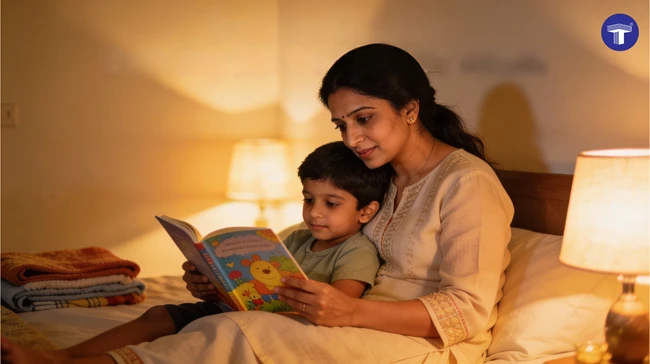
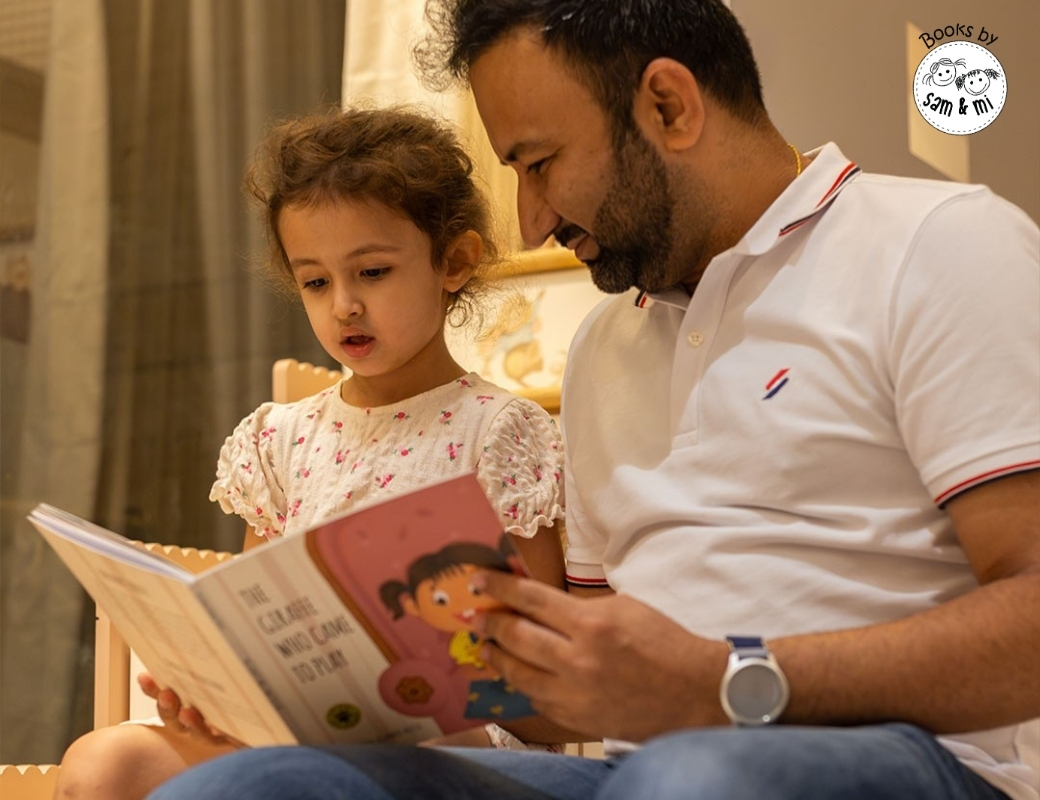
The wide eyes, the tiny smile forming, the sudden kick of excitement when they recognize someone familiar—it’s not just cute, it’s deeply meaningful. In those moments, a baby isn’t just “looking.” They are learning, connecting, building their brain in ways that will shape their entire life.

There’s something magical about the way a baby looks at a face.The wide eyes, the tiny smile forming, the sudden kick of excitement when they recognize someone familiar-it’s not just cute, it’s deeply meaningful. In those moments, a baby isn’t just “looking.” They are learning, connecting, building their brain in ways that will shape their entire life.
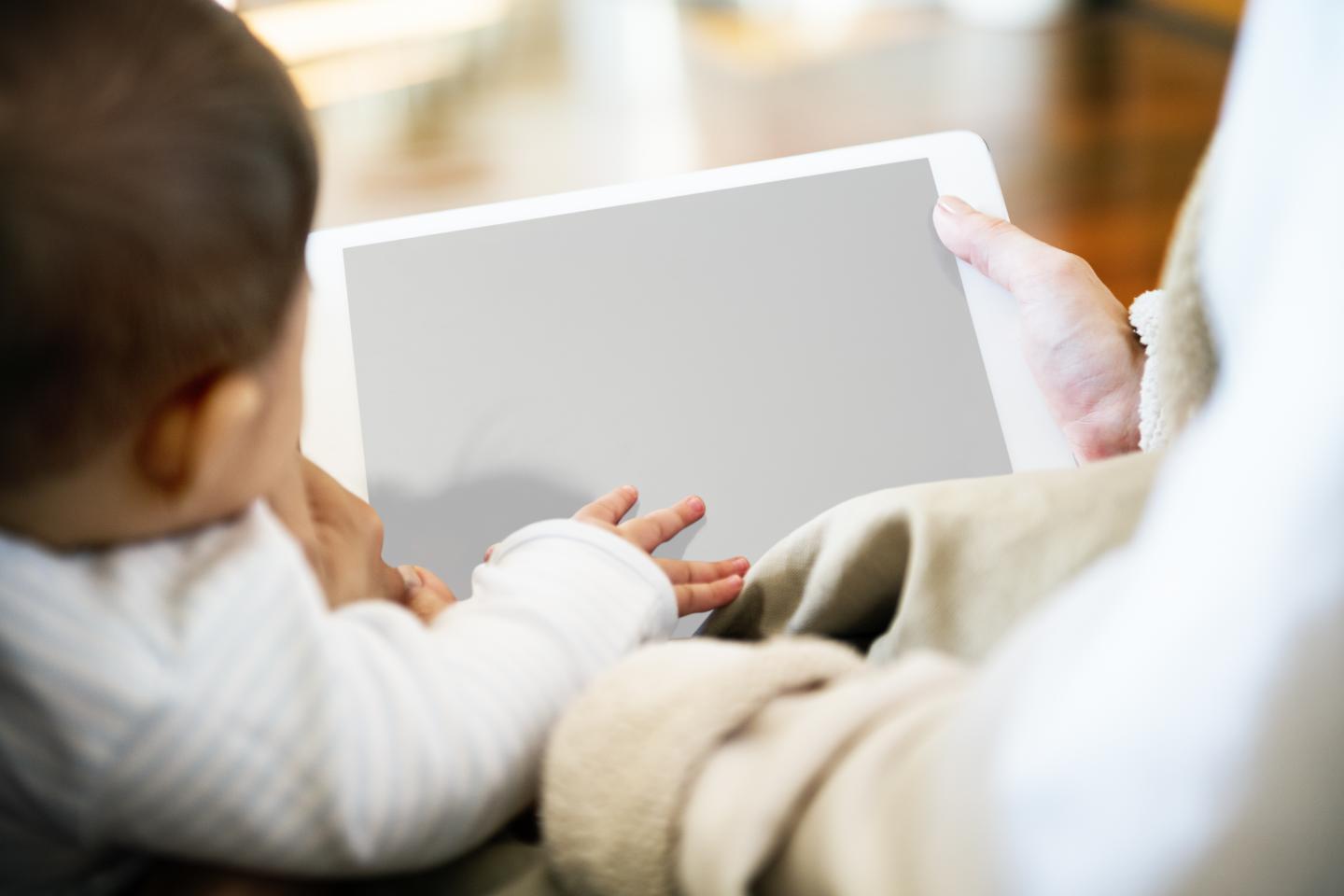
Now imagine replacing that face with a screen.Bright colors. Fast movements. Songs and animations. It may keep the baby quiet, even entertained. But something essential is missing. Something no app, no cartoon, no video can truly replace. In the earliest years of life, babies don’t just need stimulation-they need human connection. They need faces. This is why understanding the difference between “faces vs screens” in the foundation years (0-2 years) is so important.
The First Two Years: A Brain Under Construction
A baby’s brain grows more in the first two years than at any other time in life. By age two, nearly 80-90% of brain development has already taken place. But this growth doesn’t happen automatically. It is shaped by experience. Every time a baby looks at a face, hears a voice, or responds to a smile, millions of neural connections are being formed. These connections are not random-they are built through interaction.
A screen can show images, but it cannot interact in a meaningful way. A mother’s face, however, responds instantly. A father’s voice changes tone. A caregiver smiles back when the baby smiles. This back-and-forth exchange is what scientists call “serve and return” interaction-and it is the foundation of healthy brain development. Without enough of this, the brain simply doesn’t wire itself the same way.
Why Faces Matter More Than We Realize
When a baby looks at a face, a lot more is happening than we think. They are learning how emotions work. They are trying to understand expressions. They are observing movement-how lips form words, how eyes react, how eyebrows change with feelings.A face teaches a baby things like:
- What happiness looks like
- What comfort feels like
- How communication works
- How to trust
These are not things that can be “taught” through videos. They must be experienced. Even the simplest act-like a parent smiling and saying “hello”-is a powerful learning moment. The baby hears the sound, sees the expression, and connects the two. This is how language begins. This is how emotional intelligence begins. Screens, no matter how advanced, cannot replicate this depth.
The Illusion of Learning from Screens
Many parents feel that educational videos or cartoons might help babies learn faster. After all, they show alphabets, numbers, songs, and stories. But here’s the reality-babies under two do not learn effectively from screens. They may watch. They may even seem engaged. But actual understanding is very limited. This is because babies learn best through real-life interaction, not passive viewing.
For example, if a parent points to a ball and says “ball,” the baby sees the object, hears the word, and connects it in a real context. If a screen shows a ball, it’s just an image without real-world relevance. Also, screens move fast. Much faster than real life. A baby’s brain is not designed to process rapid scene changes, flashing lights, and constant stimulation. Over time, this can affect their ability to focus on slower, real-world interactions. So while screens may look “educational,” they often create an illusion of learning rather than real development.
Emotional Bonding: The Invisible Need
One of the most important needs of a baby is emotional bonding.This bonding doesn’t come from toys or gadgets. It comes from people. When a baby cries and someone responds, they learn safety. When they smile and someone smiles back, they learn connection. When they are held, talked to, and comforted, they learn trust.These early emotional experiences shape how a child will form relationships in the future. Screens cannot respond to a baby’s emotions.They don’t adjust based on the baby’s needs. They don’t provide comfort. They don’t build attachment.
In fact, excessive screen exposure in early years can reduce the amount of time babies spend in real interactions, which can impact emotional development. And this effect is subtle. It’s not something you notice immediately. But over time, it can influence how a child connects with others.
Language Development Begins with Faces
If you observe closely, babies are fascinated by mouths when people speak. They watch lip movements, expressions, and sounds very carefully. This is how they begin to understand language. Before they can speak, they are already learning.When a parent talks to a baby, even in simple or repetitive ways, it helps build vocabulary and communication skills. The tone, rhythm, and expression all matter. Now compare this to a screen. A video may play words or songs, but it doesn’t respond to the baby. It doesn’t pause when the baby reacts. It doesn’t simplify when the baby is confused.
Real conversation-even one-sided-is far more powerful.This is why babies who are spoken to more tend to develop stronger language skills later. Faces don’t just communicate words. They bring words to life.
Attention and Focus: A Silent Impact
One of the less discussed effects of early screen exposure is on attention span. Screens are designed to grab attention quickly. Bright colors, fast transitions, constant stimulation-they are built to keep you hooked. But this kind of stimulation is very different from real life.In real life, things move slower. Conversations have pauses. Play involves waiting, observing, and responding. When babies get used to high-speed visual input from screens, they may find real-life interactions less engaging. Over time, this can affect their ability to focus.This doesn’t mean occasional exposure will cause harm, but frequent and prolonged screen use during the foundation years can influence how attention develops. Faces, on the other hand, teach patience, connection, and sustained attention.
The Role of Parents and Caregivers
Here’s something important to understand-babies don’t need perfect parents. They need present ones. You don’t have to constantly entertain your baby. You don’t need fancy toys or activities. What they truly need is your presence. Talking to them while doing daily chores, making eye contact, responding to their sounds, smiling at them-these small moments matter more than we realize.Even silence with presence is better than distraction with a screen.In today’s busy world, it’s easy to rely on screens to keep babies occupied. And sometimes, it feels necessary. But being aware of the impact helps in making conscious choices. Even reducing screen time slightly and increasing face-to-face interaction can make a big difference.
When Screens Become a Substitute
The real concern isn’t just screen time-it’s what screens replace. If screens are occasionally used while parents manage urgent tasks, that’s understandable. But when screens start replacing interaction, conversation, play, and bonding, that’s where the issue begins.A baby sitting quietly in front of a screen may seem “easy to handle,” but they are missing out on essential developmental experiences. It’s not about guilt. It’s about awareness. Every moment spent looking at a face instead of a screen is an investment in the baby’s future.
Creating a Face-Rich Environment
You don’t need a complicated plan to support your baby’s development. Simple changes can create a “face-rich” environment.
- Hold your baby and talk to them
- Let them observe your expressions
- Respond to their sounds
- Make eye contact during feeding
- Smile often
These are natural, everyday actions-but they are incredibly powerful. Babies are not looking for perfection. They are looking for connection.
A Gentle Reality for Modern Parenting
Let’s be honest-today’s parenting is not the same as before. There’s more pressure, more distractions, more responsibilities. Screens are everywhere, and avoiding them completely is not always realistic. And that’s okay.The goal is not to eliminate screens entirely. The goal is to prioritize what matters most during the foundation years. If a baby gets more time with faces than screens, more interaction than passive watching, more connection than distraction-they are on the right path. It’s about balance, but with clear priorities.
Final Thoughts: What Babies Truly Need
At the heart of it, this topic is simple. Babies don’t need entertainment. They don’t need constant stimulation. They don’t need perfect routines.They need people. They need faces that smile at them, voices that talk to them, hands that hold them, and eyes that respond to them.These early interactions are not just moments-they are building blocks of a child’s future. Long before a baby learns to speak, they learn to connect. Long before they understand words, they understand emotions.And all of this begins with something as simple, as powerful, and as irreplaceable as a human face. So the next time you’re tempted to hand over a screen, pause for a moment.
- Look at your baby.
- Smile.
- Say something, even if it’s small.
Because in that moment, you are giving them something no screen ever can.

Parent With Purpose
Parent with Purpose is your trusted parenting resource, offering expert advice, practical tips, and real experiences from fellow parents. Our content is organized by your child’s age, from pregnancy to the teen years, ensuring guidance that’s relevant to your current stage. Learn through articles, videos, podcasts, and courses that fit your lifestyle. We also provide carefully curated book lists, meal plans, product recommendations, and India-focused resources to make parenting easier and more informed.