 3 min read
 8 Ways to Stay Emotionally Close Without Being Intrusive
When it comes to emotional availability, less is sometimes more. Kids, particularly teens, too your support can be present without being intrusive.

There's a fine line between being emotionally available and being emotionally suffocating. Every parent wants to be the person their child turns to. But in trying too hard - asking too many questions, showing up where they're not wanted, making everything into a conversation - we sometimes push children further away.
The goal is to stay close without crowding. Present without hovering. Available without demanding. Here's how.
8 WAYS TO STAY CLOSE WITHOUT CROSSING THE LINE
1. Be Present Without Providing Commentary
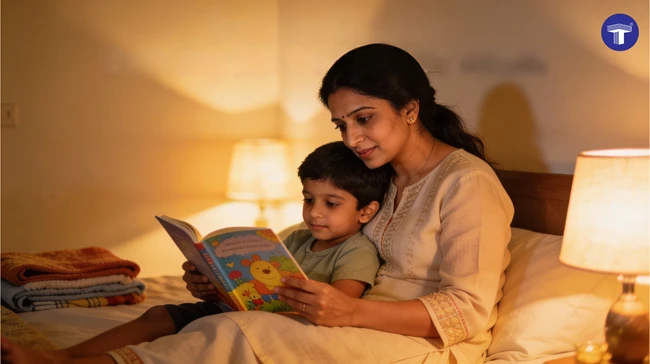
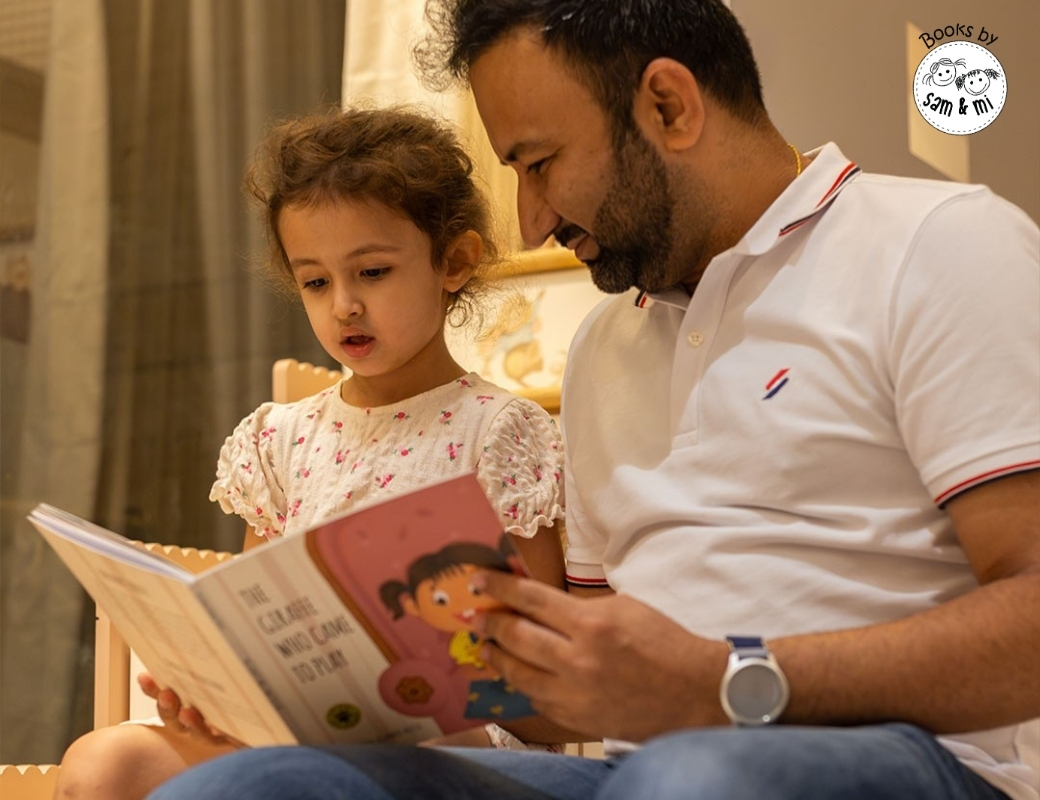
Sit near your child while they do their own thing - homework, drawing, watching something. You don't have to talk. You don't have to engage. The simple physical presence of a parent who is calm, nearby, and not demanding anything communicates safety.
Try: reading your own book while they read theirs. Folding laundry near where they're working. Just being in the same room without making it mean something.
2. Ask Open Questions, Not Interrogations
'How was school?' is a wall. 'Did anything happen today that you thought about later?' is a door.
Other good openers:
- 'What was one thing that surprised you today?'
- 'Who made you laugh today?'
- 'Was there a moment today that you'd do differently?'
These questions cannot be answered with one word. They invite real responses without feeling like an interrogation.
3. Respect Their Privacy While Keeping the Door Open
Don't read their messages. Don't follow them on their private accounts without permission. Don't go through their bag or room without cause. Trust is built or broken in exactly these moments.
What you can do: make clear that you're available. 'I won't ask, but I'm always here if you want to talk.' And then mean it - don't pry when they don't share.
4. Share Your Own Feelings First
Before asking about their day, share something about yours. 'I had a frustrating meeting today and I keep thinking about it.' This models emotional sharing without putting pressure on them to do the same.
Children - especially teenagers - are far more likely to share when they see a parent sharing first. Vulnerability is contagious.
5. Listen Without Immediately Fixing
When your child comes to you with a problem, the instinct is to solve it. Resist it. For at least the first two minutes, just listen. Reflect back what you heard: 'That sounds really frustrating.' 'I can see why you felt hurt.'
Children who feel heard are more likely to keep talking. Children who receive immediate solutions - however well-intentioned - learn to stop coming to you with problems because 'Mum just tells me what to do.'
6. Notice and Celebrate the Ordinary
You don't need to wait for an achievement to acknowledge your child. 'I noticed you were really patient with your younger brother today.' 'That drawing you did last week - I keep thinking about it.' 'You seemed really focused on that project.'
Being seen in ordinary moments creates more emotional closeness than celebrating big achievements. It says: I notice you when you're just being you.
7. Build Rituals That Ask Nothing of Them
A Sunday breakfast that's just for talking. A walk that has no destination. A weekly TV show you watch together. Time that is not structured around performance, advice, or agenda.
These rituals work because they are low-stakes. The child doesn't have to be 'on'. They don't have to share anything. They just have to show up - and so do you.
8. When They Pull Away, Move Closer Slowly
When teenagers or even younger children go through a phase of pulling back, the instinct is to either chase harder or step back completely. Neither works well.
Move closer slowly. Leave small notes. Text something funny. Knock on their door to ask if they want tea. Keep the connection warm without demanding reciprocation. The door stays open from your side, even when they're not walking through it.
|
What Closeness Looks Like • Sitting near them without talking • Asking one genuine question and listening • Sharing your own feelings first • Noticing ordinary moments • Being available without demanding |
What Intrusiveness Looks Like • Asking constant follow-up questions • Reading their messages or diary • Requiring them to share everything • Making their silence a problem • Being hurt when they want space |
💡 Quick Tip: The goal isn't to be your child's best friend. It's to be the safest, most trusted adult in their world. Those are different things.
Which of these do you already do? Which one will you start this week?
#EmotionalCloseness #HealthyParenting #ParentChildRelationship #ParentWithPurpose #AttachmentParenting

Parent With Purpose
Parent with Purpose is your trusted parenting resource, offering expert advice, practical tips, and real experiences from fellow parents. Our content is organized by your child’s age, from pregnancy to the teen years, ensuring guidance that’s relevant to your current stage. Learn through articles, videos, podcasts, and courses that fit your lifestyle. We also provide carefully curated book lists, meal plans, product recommendations, and India-focused resources to make parenting easier and more informed.