 4 min read
 Why Splendor Is the Perfect Game to Teach Children the Power of Calm Thinking
Some games are loud. Fast. Full of excitement and constant action. And then there are games like Splendor. At first, it may seem simple—beautiful cards, colorful tokens, and quiet turns. But don’t let that calm surface fool you. Beneath it lies a game that slowly shapes how a child thinks, plans, and makes decisions

Splendor doesn’t rush children. It doesn’t overwhelm them. Instead, it invites them to pause, observe, and choose wisely. And in today’s world, that might be one of the most valuable skills a child can learn.
A Different Kind of Play Experience
When children sit down to play Splendor, something immediately feels different. There is no chaos. No shouting. No pressure to act quickly.
Instead, there is space. Space to think. Space to observe. Space to decide.
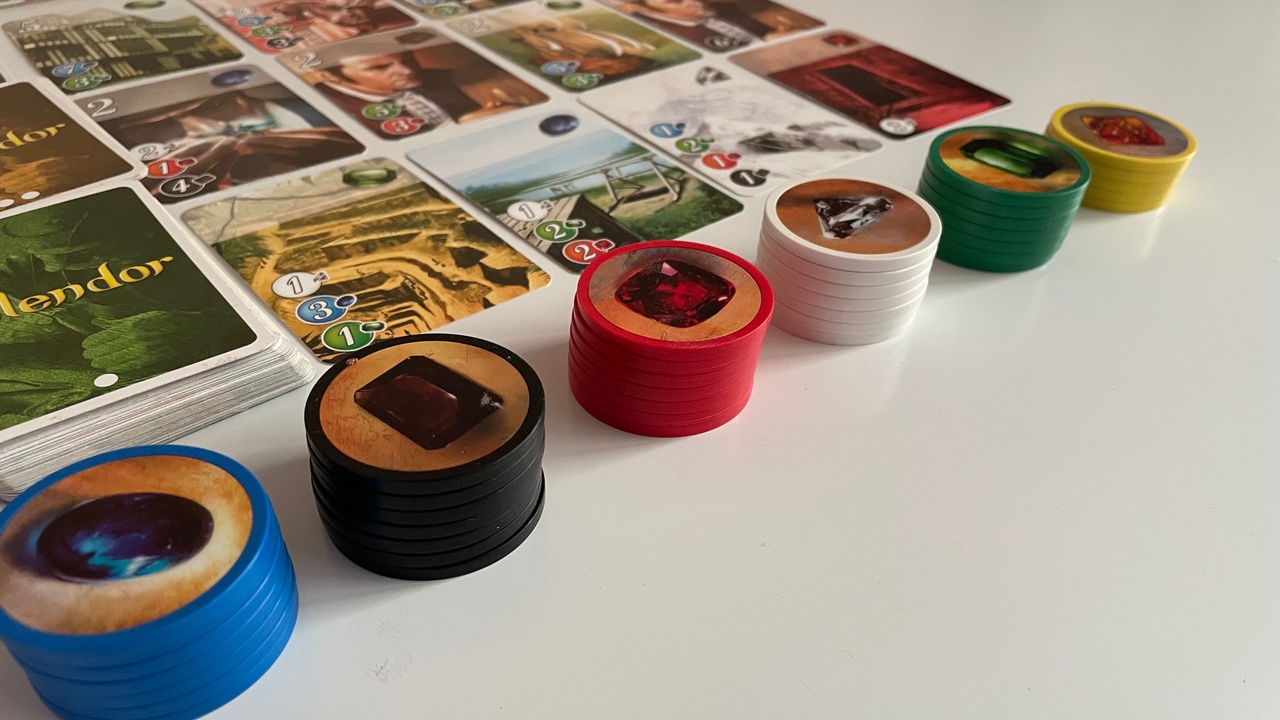
Each player collects tokens and uses them to acquire cards, which then help them build further. It sounds simple, but the depth comes from how these choices are made. Children begin to understand that every move is connected to the next. And that realization changes how they approach the game.
The Beauty of Thinking Ahead
Splendor quietly introduces children to the idea of planning ahead. They quickly learn that taking a token randomly doesn’t help much. Buying a card without thinking may slow them down later.
So they begin to ask themselves:
- What do I actually need right now?
- Which card will help me move forward?
- Should I wait or act now?
This kind of thinking doesn’t happen instantly. It develops gradually. But once it starts, it becomes a habit.
Skills that grow through this:
- Strategic planning
- Decision-making
- Patience in action
And the best part? Children don’t feel like they are “learning.” They are simply playing.
Learning the Value of Patience
Splendor is not a game you can rush through. You cannot grab everything at once. You cannot win in a single move. Instead, you build slowly.
You collect tokens, invest in cards, and watch your progress grow step by step. This teaches children an important lesson:
Not everything needs to happen immediately.
In a world filled with instant gratification, this is powerful.
Children begin to understand:
- Waiting can be useful
- Planning is better than rushing
- Progress takes time
And once they experience this in a game, they start applying it in other areas too.
Quiet Focus in a Noisy World
Many children today struggle with focus—not because they lack ability, but because they are constantly surrounded by distractions. Splendor creates a different environment.
It encourages:
- Calm attention
- Observation
- Thoughtful decision-making
There are no flashing lights or fast sounds. Just the game, the pieces, and the mind at work.
Over time, children begin to:
- Stay engaged for longer periods
- Think without distraction
- Enjoy the process of focusing
This kind of mental discipline is rare—and extremely valuable.
Understanding Patterns and Progress
One of the most interesting aspects of Splendor is how it teaches children to recognize patterns.
As they play, they start noticing:
- Which cards are easier to build towards
- How certain choices make future moves simpler
- How small steps lead to bigger advantages
They begin to see connections. For example:
- “If I take this token now, I can buy that card next.”
- “If I collect these colors, I can unlock better options later.”
This pattern recognition strengthens logical thinking. And it helps children understand how actions today affect outcomes tomorrow.
Building Confidence Without Pressure
In some games, children feel pressured to perform quickly or compete aggressively. Splendor creates a different kind of confidence.
Here, children:
- Take their time
- Make decisions at their own pace
- Learn through experience
Even if they make a mistake, the game doesn’t punish them harshly. It simply shows them a different outcome. And that’s important.
Because children begin to feel:
- “I can think through this”
- “I don’t need to rush”
- “I can improve each time I play”
This builds a quiet, steady confidence. Not loud. Not forced. But real.
A Gentle Introduction to Resource Management
Splendor also introduces children to the concept of managing resources. They have a limited number of tokens. They need to decide how to use them wisely.
Should they:
- Spend tokens now?
- Save for a better card later?
- Invest in something that helps long-term?
These choices teach children how to balance immediate needs with future goals.
Without using complicated terms, they start understanding:
- Value
- Investment
- Planning
And they learn it in a way that feels natural.
Encouraging Independent Thinking
Splendor is not a game where someone can constantly guide the child. Each player has their own set of choices. This encourages independence.
Children begin to:
- Trust their own decisions
- Explore different strategies
- Learn from their own experiences
Even if two children play the same game, their approaches may be completely different. And that’s a good thing. Because it shows them that there is no single “right way” to think.
A Calm Way to Handle Competition
Competition in Splendor feels different. There is no direct attack. No aggressive moves. No sudden eliminations. Instead, players focus on building their own path. This creates a healthy form of competition.
Children learn to:
- Stay focused on their own progress
- Respect others’ turns and strategies
- Accept outcomes without frustration
Winning feels satisfying. Losing feels manageable. And both experiences become part of learning.
Perfect for Family Time
Splendor is a game that works beautifully across age groups. Children, parents, and even grandparents can play together comfortably. It doesn’t rely on speed or strength—just thinking. This makes it ideal for family bonding.
When you sit together to play:
- Conversations flow naturally
- Children feel included
- Everyone shares the same space and activity
And because the game is calm, it creates a peaceful environment. Sometimes, these quiet moments become the most meaningful ones.
Why Children Keep Coming Back to It
Some games are exciting at first but lose their charm quickly. Splendor is different.
Each game feels slightly new because:
- The available cards change
- Strategies evolve
- Players try different approaches
Children enjoy the feeling of improving.
They may think:
- “This time I’ll try a different plan”
- “Now I understand how to play better”
This keeps them engaged over time.
What Parents Should Keep in Mind
If you are introducing Splendor to your child, keep a few simple things in mind:
- Allow them time to understand the flow
- Avoid rushing their decisions
- Encourage thinking rather than correcting immediately
- Celebrate effort, not just results
The goal is not to make them win. The goal is to help them grow.
Final Thoughts
Splendor may not be the loudest game on the table. It doesn’t demand attention. It doesn’t create chaos. But quietly, steadily, it builds something important.
It teaches children to:
- Think before they act
- Plan without pressure
- Stay calm while making decisions
- Enjoy the process, not just the result
In a world that often moves too fast, Splendor offers a gentle reminder:
Sometimes, the best growth happens in silence.
And when a child learns how to think calmly, they carry that strength into everything they do. Because in the end, it’s not just about playing the game well. It’s about learning how to think well.

Parent With Purpose
Parent with Purpose is your trusted parenting resource, offering expert advice, practical tips, and real experiences from fellow parents. Our content is organized by your child’s age, from pregnancy to the teen years, ensuring guidance that’s relevant to your current stage. Learn through articles, videos, podcasts, and courses that fit your lifestyle. We also provide carefully curated book lists, meal plans, product recommendations, and India-focused resources to make parenting easier and more informed.