 5 min read
 Why Kids Struggle with Boredom After Screen Exposure
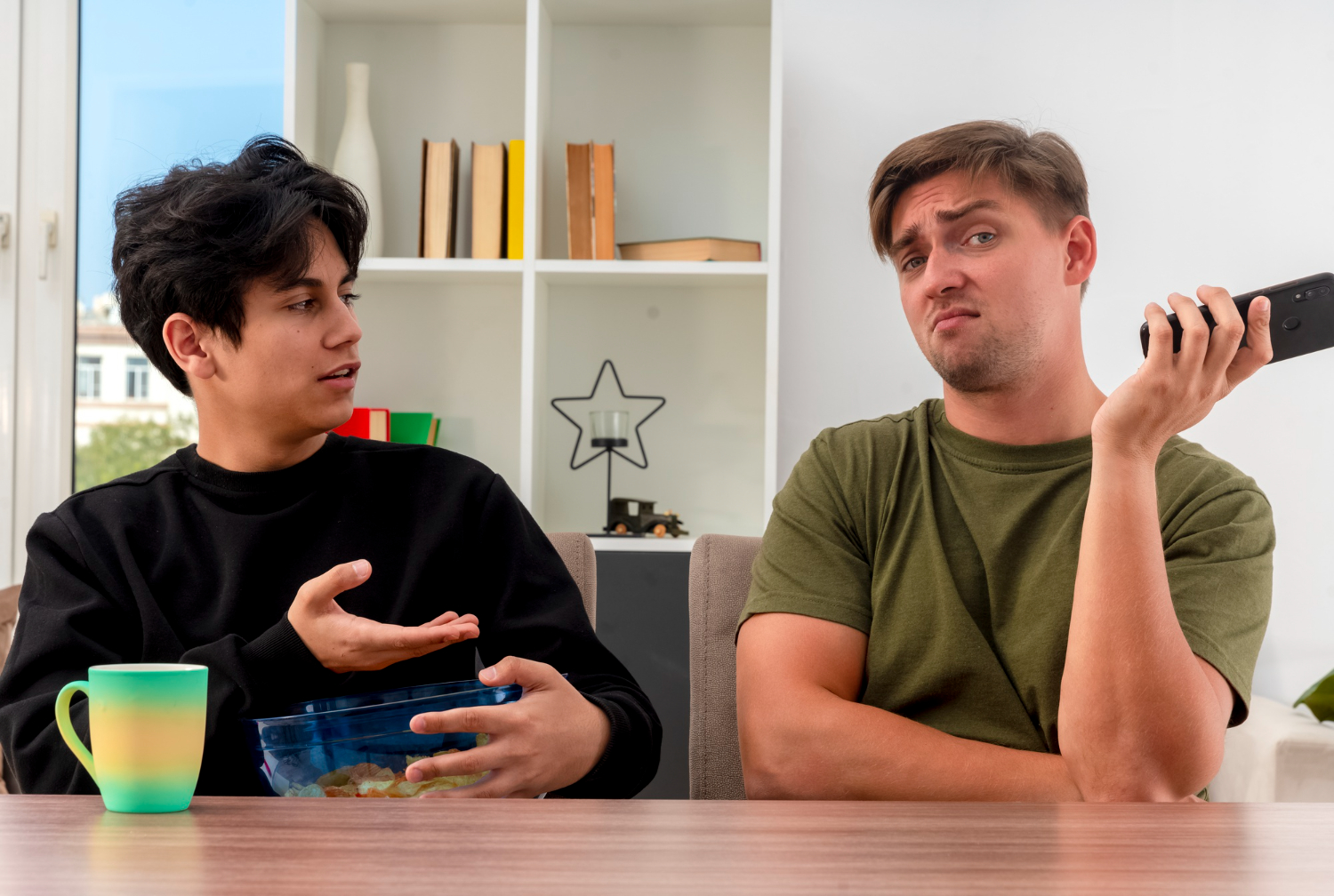
It’s a sentence most parents hear often. But what’s interesting is when it shows up. A child who just spent an hour watching videos suddenly doesn’t know what to do next. Toys are lying around. Books are available.

“Mom, I’m bored.” It’s a sentence most parents hear often. But what’s interesting is when it shows up. A child who just spent an hour watching videos suddenly doesn’t know what to do next. Toys are lying around. Books are available. There’s space to play. And yet, nothing feels interesting enough.The same child who was completely absorbed just minutes ago now feels restless, irritated, or lost.This moment can be confusing.“How can they be bored when they have so many things to do?”The answer lies not in the child’s environment -but in what their brain has just experienced.
When “Nothing to Do” Isn’t the Real Problem
Let’s look at a common situation. A child finishes watching cartoons and walks into the room. You suggest, “Why don’t you play with your blocks?” or “Go draw something.” They try for a minute… and then stop.“It’s boring.”They wander around, pick something up, drop it, and come back asking for the phone again. At first glance, it feels like the child has lost interest in everything else. But the reality is deeper. The problem is not that the activity is boring. It’s that the brain has just come out of an environment that feels far more stimulating.
What the Brain Experiences During Screen Time
When a child is watching a screen, a lot is happening at once.The brain is receiving:
- Bright, colorful visuals
- Constant movement
- Engaging sounds
- Rapid changes in scenes
Everything is designed to keep attention hooked.The key thing to understand is this -the brain is not working hard to stay engaged.The content is doing the work. It is feeding the brain a continuous stream of stimulation, without requiring effort. So the brain gets used to this level of input.
The Sudden Drop: From High to Low Stimulation
Now imagine what happens when the screen is turned off.
The brain moves from:
- High stimulation
- Constant novelty
- Effortless engagement
to:
- A quiet environment
- Slower pace
- Activities that require effort
This shift can feel uncomfortable.To the brain, everything suddenly feels slower, less exciting, and less rewarding.So when a child says, “I’m bored,” it often means:“This doesn’t feel as stimulating as what I just experienced.”
Boredom Is Not the Enemy - It’s a Skill Builder
Before screens became a regular part of childhood, boredom played an important role.When children felt bored, their brain would start to:
- Look for something to do
- Create ideas
- Use imagination
- Explore their surroundings
Boredom was the starting point for creativity. It pushed the brain to generate its own engagement. But when screens are introduced frequently, this process changes. Instead of creating stimulation, the brain gets used to receiving it. So when the external stimulation is removed, the brain doesn’t immediately know what to do.
The “I Need Something Happening” Feeling
Many parents notice this pattern.
After screen time, children:
- Keep asking for something new
- Get restless quickly
- Lose interest in activities faster
This is because the brain starts expecting:
- Constant input
- Continuous change
- Immediate engagement
In a normal environment, these expectations are not met. So the child feels unsettled.It’s not that they cannot play -it’s that their brain is waiting for something more stimulating to happen.
Real Life Feels Slower - And That’s the Point
Real-world activities are naturally slower.Building something, drawing, reading, or even playing with toys requires:
- Patience
- Effort
- Time
There are pauses. There are moments where nothing exciting is happening. But these “slow moments” are where important brain development happens.They allow the brain to:
- Think
- Plan
- Imagine
- Solve small problems
When a child is used to fast-paced content, these slow moments may feel uncomfortable. So instead of engaging, the child withdraws.
The Brain’s Reward System at Work
To understand this better, we need to look at how the brain responds to reward. Whenever something enjoyable happens, the brain releases a chemical called dopamine. This creates a sense of pleasure and encourages repetition.Screens provide frequent, quick rewards:
- A funny moment
- A new video
- A surprising scene
Each of these gives a small dopamine boost. So the brain starts associating screens with easy and immediate reward.
In contrast, real-world activities provide slower rewards.
For example:
- Completing a drawing
- Building something
- Learning a new skill
These take time. So after screen exposure, the brain may prefer quick rewards over slow ones. And when those quick rewards are not available, it interprets the situation as boring.
Why Kids Don’t “Start” Activities Easily
Another thing parents notice is that children struggle to begin activities after screen time.
They may:
- Sit idle
- Say “I don’t know what to do”
- Avoid starting something new
This happens because starting an activity requires mental effort.The brain needs to:
- Make a decision
- Plan what to do
- Begin the process
After passive screen engagement, this effort feels harder. The brain has been in a mode where it didn’t need to initiate anything. So shifting into an active role takes time.
The Imagination Gap
Imagination is not automatic. It develops through use.When children play without structured input, they:
- Create stories
- Assign roles to objects
- Build their own worlds
This strengthens creative thinking. But when a large portion of time is spent consuming ready-made content, the brain gets fewer chances to practice imagination. So when the screen is removed, children may struggle to create their own play. It’s not that imagination is gone -it’s just underused.
Emotional Reactions to Boredom
Sometimes boredom after screen time doesn’t just look like inactivity.
It can look like:
- Irritation
- Complaining
- Restlessness
This happens because the brain is adjusting. It is moving from a highly stimulating state to a quieter one. This transition can feel uncomfortable. Children may not be able to explain this feeling, so it shows up as frustration.
It’s Not About “Too Much Energy”
Many parents think boredom means the child has too much energy. But after screen exposure, the issue is often the opposite. The brain has been passively engaged, not actively working.So instead of being ready for action, it may feel:
- Sluggish
- Unmotivated
- Dependent on external input
This is why simply telling a child to “go play” may not work immediately.
A Pattern That Builds Over Time
Occasional screen use is not the issue.The pattern develops when this cycle repeats frequently:
Screen time → high stimulation → removal → boredom → return to screen.Over time, the brain becomes more comfortable with stimulation and less comfortable with stillness. This makes boredom feel harder to tolerate.
What’s Really Happening Beneath the Surface
When a child says, “I’m bored,” it is not always a lack of options.It is often a reflection of:
- What their brain is used to
- How stimulation has been experienced
- How engagement has been shaped
The brain is simply adjusting to a different pace.
Bringing It All Together
Boredom after screen exposure is not a flaw in the child. It is a natural response to a shift in stimulation.
The brain moves from:
- Effortless engagement
to - Self-driven engagement
And that transition takes time.Understanding this helps change the perspective. Instead of seeing boredom as a problem, it can be seen as a signal -
a moment where the brain is being invited to engage differently.
Closing Thought
Boredom is often misunderstood. It is not empty time. It is the space where thinking begins. Where ideas form. Where imagination grows. Where the brain learns to create, not just consume. Screens fill that space instantly.But when the screen goes off, and boredom appears, it is not something to fix immediately. It is something the brain needs to move through. Because on the other side of boredom,is the kind of engagement that truly builds a child’s mind.

Parent With Purpose
Parent with Purpose is your trusted parenting resource, offering expert advice, practical tips, and real experiences from fellow parents. Our content is organized by your child’s age, from pregnancy to the teen years, ensuring guidance that’s relevant to your current stage. Learn through articles, videos, podcasts, and courses that fit your lifestyle. We also provide carefully curated book lists, meal plans, product recommendations, and India-focused resources to make parenting easier and more informed.