 3 min read
 10 Rules for Healthy Arguments in Front of Your Kids
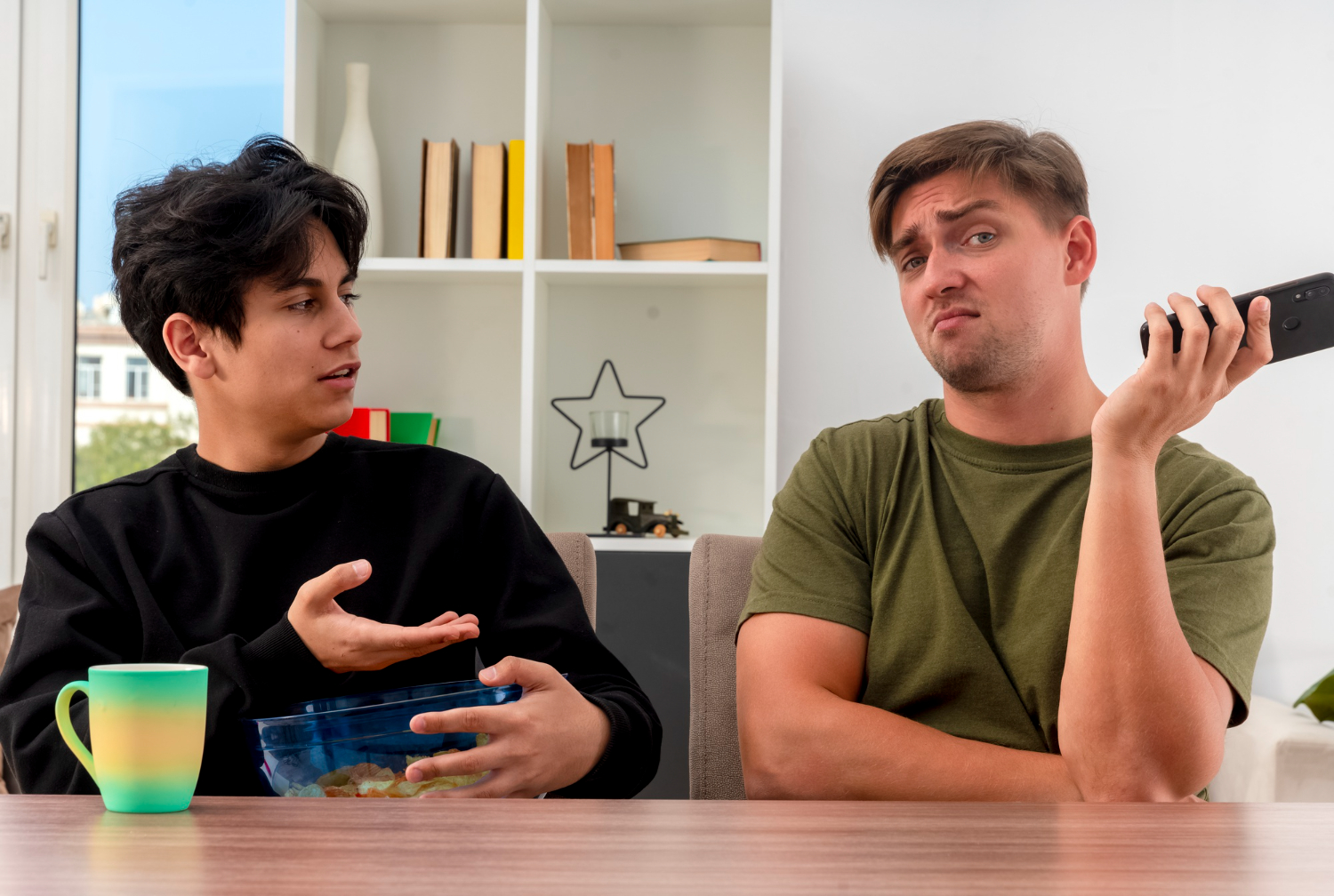
The goal should not be to never argue in front of your children. That's both unrealistic and unnecessary. Children who grow up in conflict-free environments often struggle more...

The goal should not be to never argue in front of your children. That's both unrealistic and unnecessary. Children who grow up in conflict-free environments often struggle more in adult relationships - they've never seen how disagreement is navigated, how people repair after conflict, or how two people can love each other and still disagree.
What matters is not whether your children see conflict - they will - but what they see you do with it. Here are 10 rules that make parental conflict something children can learn from rather than something that damages them.
THE 10 RULES
Rule 1: Never Use Contempt
John Gottman's research identifies contempt - eye-rolling, mocking, name-calling, sarcasm aimed to wound - as the single most predictive behaviour of relationship breakdown. It is also among the most damaging things children witness.
Raised voices are one thing. Cruelty is another. Children who observe contempt between parents experience it as a direct threat to their own security. The rule: anger is acceptable. Contempt is not.
Rule 2: Stay on the Actual Issue
'You never listen to me' escalates. 'I felt dismissed when you made that decision without consulting me' is addressable.
Keeping arguments to the specific issue - not sweeping generalisations, not past grievances, not character assassinations - models the kind of conflict resolution that is actually functional. Children who watch this learn it.
Rule 3: Never Use Children as Messengers, Allies, or Referees
'Go tell your father dinner is ready' when you're angry at him. 'You agree with me, don't you?' 'Do you see what your mother does?'
These place children in an impossible loyalty bind. They cannot side with one parent without betraying the other. The resulting anxiety is significant and often invisible. This is a non-negotiable rule: children are never brought into parental conflict.
Rule 4: Take a Break When It Escalates
Stepping away when emotions run too high - going to another room, taking a walk, agreeing to continue the conversation later - is not avoidance. It's regulation.
Modelling this for children teaches: when I am too emotionally activated to think clearly, I step away and return when I can. This is one of the most transferable conflict skills you can demonstrate.
Rule 5: Never Threaten Separation in Front of Children
Even in anger. Even as a 'I might as well just leave.' Even as hyperbole. Children take this literally and the fear it activates is disproportionate to the passing anger of the moment. The damage to their sense of security is real.
Rule 6: Repair in Front of Them
If children see the argument, they should see the resolution. The 'making up' is as important as the conflict itself - more important, in some ways. When children witness repair, they learn that conflict doesn't destroy relationships. That love survives disagreement. This is essential.
Rule 7: Use 'I' Statements
'I feel anxious when decisions are made without my input' invites response. 'You always exclude me' invites defence.
This is a communication skill worth building in your own conflict vocabulary - and it's worth teaching explicitly to children as they grow.
Rule 8: Never Disagree About the Children in Front of Them
Parenting disagreements - how to handle a particular behaviour, what punishment is appropriate, whether a certain privilege should be given - should be resolved privately, never in front of the child.
When parents disagree about a child in front of the child, the child becomes the referee and the stakes of the argument. This is damaging regardless of which parent's position is right.
Rule 9: Check In with the Children After
Not a formal debrief - a simple, calm acknowledgment: 'You may have heard us arguing earlier. We sorted it out. We love each other, and we love you. That doesn't change.'
Children often need explicit reassurance that what they witnessed is resolved, that the family is still intact, and that they were not the cause. Saying it takes 30 seconds.
Rule 10: Show Them Reconciliation
A hug. A shared laugh at something later in the evening. A gentle touch in passing. Children who see parents reconnect after conflict learn that intimacy can survive difficulty. This shapes their expectations and behaviour in their own adult relationships.
|
What Children Can Learn From Conflict • Disagreement is normal and manageable • Conflict can be resolved with respect • People can apologise and repair • Love survives difficult conversations • Different perspectives are valid |
What Children Learn From Poor Conflict • Conflict is dangerous and unpredictable • Aggression or contempt is normal • Relationships don't recover • Fear is the appropriate response to disagreement • Winning matters more than resolution |
Quick Tip: The goal isn't conflict-free parenting. It's teaching your children that conflict can be navigated with respect and resolved with love. That lesson lasts their entire lives.
Which rule are you adding to your home?
#HealthyConflict #ArgumentsAndKids #ConsciousParenting #ParentWithPurpose #FamilyConflict #CommunicationSkids

Parent With Purpose
Parent with Purpose is your trusted parenting resource, offering expert advice, practical tips, and real experiences from fellow parents. Our content is organized by your child’s age, from pregnancy to the teen years, ensuring guidance that’s relevant to your current stage. Learn through articles, videos, podcasts, and courses that fit your lifestyle. We also provide carefully curated book lists, meal plans, product recommendations, and India-focused resources to make parenting easier and more informed.