 5 min read
 Weekly Meal Planning for Working Parents (Step-by-Step Guide)
There’s a very specific kind of exhaustion that hits at 7:30 PM on a weekday. You’ve wrapped up work, managed calls, maybe handled a child’s homework meltdown, and then the question shows up again:

“What are we eating tonight?”
It sounds simple, but for working parents, this question carries a daily mental load. It’s not just about cooking. It’s about nutrition, time, budget, preferences, and often—guilt.
This is where weekly meal planning quietly becomes one of the most powerful systems you can build at home. Not a rigid, Pinterest-perfect plan. Not a complicated spreadsheet. But a simple, realistic structure that helps you breathe easier through the week. Let’s break this down step by step in a way that actually works in real life.
Why Meal Planning Feels So Hard (And Why It’s Not Your Fault)
Before jumping into the “how,” it’s important to acknowledge something most guides skip: meal planning is not just a task—it’s a responsibility that repeats every single day.
For working parents, the challenge usually comes from three things happening at once:
- You don’t have time to think ahead
- You’re already mentally tired
- Everyone in the family has different expectations
So what happens? You delay the decision. Then dinner becomes urgent. And urgent decisions are rarely healthy, budget-friendly, or stress-free. Meal planning fixes this not by making life perfect, but by removing daily decision fatigue.
Step 1: Start With Your Real Week (Not an Ideal One)
Most people fail at meal planning because they plan for a version of themselves that doesn’t exist.
They imagine a week where:
- Work ends on time
- Kids are cooperative
- Energy levels are high
Instead, start with your actual schedule.
Look at your upcoming week and ask:
- Which days are busiest?
- Which evenings are calmer?
- When do you realistically have energy to cook?
For example, if Monday and Wednesday are heavy workdays, those should not be your “experiment with new recipes” days. Those are your simple meal days. When you align meals with energy levels, the plan becomes sustainable.
Step 2: Build a Simple Weekly Structure
Instead of planning seven completely different meals every week, create a predictable rhythm. This reduces thinking and speeds up decisions.
A simple structure could look like this:
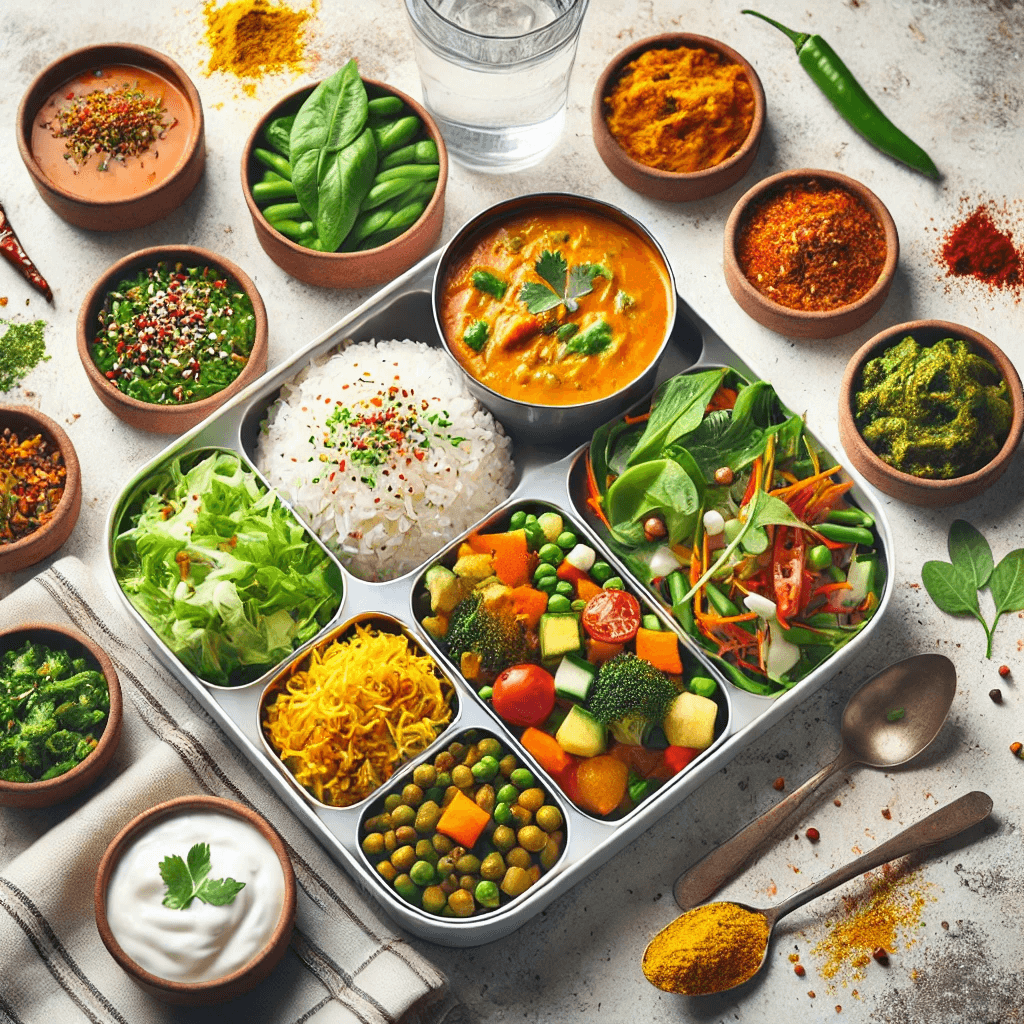
- One comfort Indian meal day (dal, sabzi, roti, rice)
- One quick-fix day (15–20 minute meals)
- One protein-focused meal (especially for working adults)
- One leftover or reuse day
- One flexible or ordering day
This doesn’t lock you in. It just gives your brain a starting point. Over time, your family also begins to understand the flow. That alone reduces questions and resistance.
Step 3: Choose Meals That Match Your Life, Not Trends
Meal planning is not about trying new recipes every week. It’s about choosing meals that you can actually execute.
A good weekly plan includes:
- Familiar dishes
- Minimal ingredients
- Flexible combinations
For example, instead of planning “paneer lababdar with garlic naan,” think:
- Paneer sabzi with roti
- Dal + rice + one sabzi
- Egg curry with chapati
These are meals that don’t require mental effort after a long day. Also, repetition is not a problem. In fact, repeating meals reduces planning stress and grocery complexity.
Step 4: Plan Ingredients, Not Just Dishes
This is where most people make a mistake. They plan meals but don’t think about ingredients properly.
For example, if you plan:
- Palak paneer
- Mixed veg sabzi
- Dal tadka
Make sure your grocery list overlaps smartly:
- Use spinach across two meals
- Use the same masalas across dishes
- Reuse chopped vegetables
When ingredients overlap, cooking becomes faster and waste reduces automatically. This also helps you avoid last-minute grocery runs, which are one of the biggest time drains during the week.
Step 5: Do a Light Prep, Not a Full Meal Prep
You don’t need to spend your entire Sunday cooking for the week. That’s not realistic for most families.
Instead, do light preparation that supports your week:
- Wash and chop basic vegetables
- Prepare ginger-garlic paste
- Marinate chicken or paneer for 1–2 meals
- Knead dough for the next day
This kind of prep saves time without making you feel like you’ve spent your whole weekend in the kitchen. Think of it as setting up your future self for success.
Step 6: Keep Backup Meals Ready
Even the best plan will fail some days. Meetings run late. Kids fall sick. Energy disappears. This is where backup meals become essential.
Always have:
- Eggs
- Ready-to-cook items (like dosa batter or frozen parathas)
- Basic pantry staples (poha, upma mix, dal, rice)
These are not “cheating.” They are part of a smart system. A good meal plan is not one that never breaks. It’s one that recovers quickly.
Step 7: Involve the Family (Without Losing Control)
Meal planning becomes easier when it’s not one person’s responsibility.
Ask simple questions:
- “What do you feel like eating this week?”
- “Choose one meal you want”
This gives family members a sense of involvement, which reduces complaints later. However, don’t open the door too wide. You’re still the one managing time, budget, and practicality. Balance is key.
Step 8: Make Grocery Shopping Efficient
A strong meal plan directly improves your grocery routine.
Instead of random shopping, you:
- Buy only what you need
- Reduce impulse purchases
- Save both time and money
Create a weekly grocery list based on your meal plan and stick to it. If possible, choose one fixed shopping day. This builds consistency and removes last-minute stress.
Step 9: Accept Imperfection
Some weeks will go smoothly. Others won’t. You might skip a planned meal. You might order food unexpectedly. That’s normal. Meal planning is not about control. It’s about reducing chaos.
Even if you follow your plan 60–70%, you’ll still feel a huge difference:
- Less stress
- Faster decisions
- Better nutrition
- Lower expenses
That’s a win.
A Realistic Example of a Weekly Flow
To make this more practical, here’s how a simple week might look for a working parent:
Monday: Quick dal, rice, and sabzi
Tuesday: Paneer or egg-based dish
Wednesday: Leftover or light meal like khichdi
Thursday: Chicken or protein-rich meal
Friday: Simple roti-sabzi combo
Saturday: Slightly elaborate or family meal
Sunday: Prep + flexible eating
This isn’t rigid. It’s just a framework.
How Meal Planning Changes Daily Life
The biggest benefit of meal planning is not better food. It’s mental clarity.
You stop:
- Opening the fridge and feeling confused
- Ordering food out of frustration
- Worrying about “what next” every evening
Instead, you:
- Move through the week with a plan
- Spend less time thinking about food
- Have more energy for your family
And that’s really the goal.
Where Your Personal Touch Comes In
Every family is different. Your food habits, work schedule, and preferences will shape your system.
Over time, you’ll notice patterns:
- Meals your family loves
- Meals that are quick to prepare
- Ingredients you use most often
This is where your meal planning becomes personalized and easier. If you’re someone who enjoys traditional flavors, incorporating your own spice blends or masalas can also simplify cooking and enhance taste without extra effort.
Final Thoughts
Weekly meal planning is not about becoming a perfect parent who serves ideal meals every day. It’s about creating a system that supports your real life.
A system that understands:
- You are busy
- You are tired
- You still want to care for your family
Start small. Plan just three or four days if a full week feels overwhelming. Once you experience the difference, you won’t go back. Because when the question “What’s for dinner?” no longer feels stressful, your evenings start to feel lighter—and that changes everything.

Parent With Purpose
Parent with Purpose is your trusted parenting resource, offering expert advice, practical tips, and real experiences from fellow parents. Our content is organized by your child’s age, from pregnancy to the teen years, ensuring guidance that’s relevant to your current stage. Learn through articles, videos, podcasts, and courses that fit your lifestyle. We also provide carefully curated book lists, meal plans, product recommendations, and India-focused resources to make parenting easier and more informed.