 4 min read
 Screens vs Deep Thinking: What Kids Are Losing
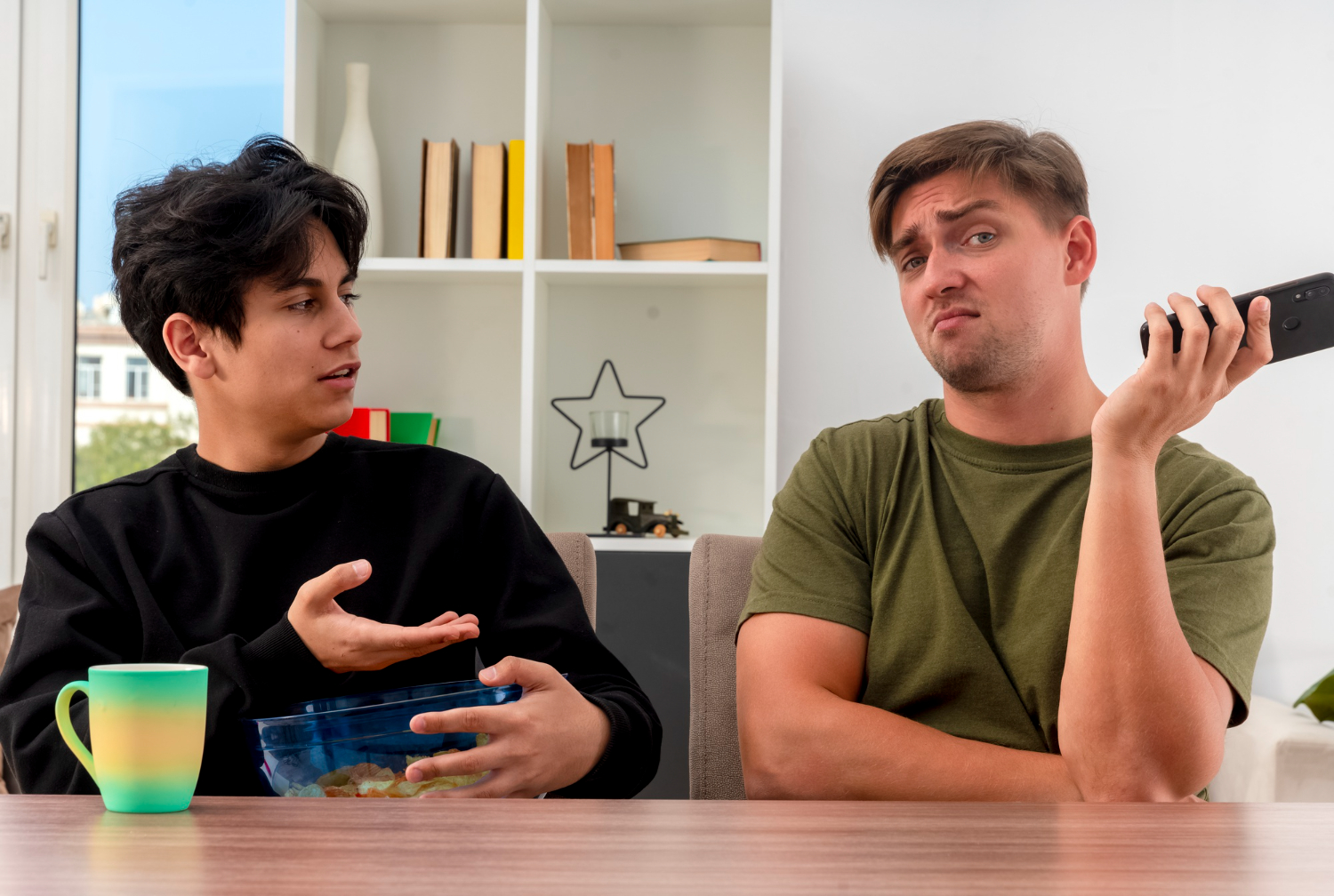
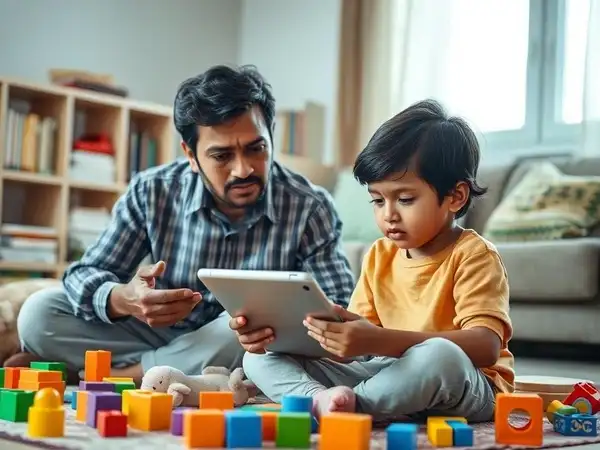
A child sits with a workbook open in front of them. After a few minutes, they start fidgeting. They look around, flip pages, lose interest, and say, “This is too hard.” The same child, just an hour ago, was completely absorbed in watching videos — focused, engaged, and not distracted at all. This contrast often confuses parents.

“If they can focus on a screen for so long, why can’t they think through something simple?”The answer lies in something we don’t always see clearly -
the difference between being entertained and actually thinking.Because deep thinking is not the same as watching, reacting, or even paying attention. And in today’s screen-heavy environment, this deeper kind of thinking is slowly getting replaced.
The Quiet Work of the Brain
Deep thinking is not loud or fast. It doesn’t come with bright visuals or quick rewards.
It looks like:
- A child sitting quietly, figuring something out
- Trying, failing, and trying again
- Thinking through a problem step by step
- Staying with an idea even when it feels difficult
To an outside observer, it may even look like “nothing is happening.” But inside the brain, a lot is going on. Connections are forming. Ideas are being built. Understanding is deepening. This kind of thinking requires effort - and more importantly, it requires time.
What Happens During Screen Engagement
Now compare that to what happens when a child is on a screen. The experience is very different.
The content:
- Moves quickly
- Changes constantly
- Provides ready-made ideas
- Keeps the brain engaged without effort
The child does not need to:
- Imagine what comes next
- Solve anything
- Hold information in mind
Everything is presented. The brain is active, but in a reactive way, not a reflective one.
A Real-Life Moment That Explains It
Imagine giving a child a simple puzzle. At first, they try. Then they get stuck. They pause. They think. They look at the pieces again. Slowly, they begin to figure it out. This moment - where they are stuck but still trying - is where deep thinking grows. Now imagine the same child is used to screens.
In the same situation, they may:
- Get frustrated quickly
- Leave the task
- Look for something easier
- Ask for a screen instead
Not because they cannot solve the puzzle. But because their brain is used to a different kind of engagement - one that does not require staying with difficulty.
The Brain’s Natural Resistance to Effort
The brain naturally prefers things that are easy and rewarding. Deep thinking, however, is effortful.
It involves:
- Holding attention
- Managing frustration
- Delaying reward
Screens offer the opposite experience.
They provide:
- Immediate engagement
- Continuous stimulation
- Effortless consumption
So when a child spends a lot of time in that environment, the brain starts preferring it. Tasks that require effort may feel less appealing in comparison.
Thinking Takes Time - Screens Remove That Time
One of the most important elements of deep thinking is time.When a child is solving a problem, reading a story, or imagining something, the brain needs time to:
- Process information
- Make connections
- Build understanding
Screens reduce this time. Content moves quickly. Answers come immediately. There is no need to pause or reflect.So the brain gets used to:
- Quick input
- Fast responses
- Immediate outcomes
Over time, this can make slower thinking feel uncomfortable.
The Shift from Creating to Receiving
Deep thinking is closely connected to creation.When children:
- Imagine stories
- Build things
- Solve problems
they are creating something new. This process strengthens thinking skills. Screens, however, shift the experience toward receiving.
The child:
- Watches
- Listens
- Reacts
But does not create in the same way.This reduces opportunities for the brain to practice generating ideas.
Why “It’s Too Hard” Comes Up More Often
Many parents notice that children say “It’s too hard” more frequently. This is not always about the difficulty of the task. It is often about the gap between what the brain is used to and what the task requires.If the brain is used to:
- Quick results
- Continuous stimulation
- Low effort engagement
then tasks that require:
- Patience
- Effort
- Persistence
can feel overwhelming. So the child may avoid them.
The Science in Simple Terms
At a basic level, the brain strengthens what it uses most.If a child spends time:
- Thinking deeply
- Solving problems
- Staying with tasks
the brain strengthens those pathways.
If a child spends time:
- Watching fast content
- Reacting to constant input
- Switching quickly between stimuli
the brain strengthens those patterns instead. This is called neuroplasticity - the brain’s ability to adapt based on experience. So it’s not that screens “damage” thinking. It’s that they train the brain in a different direction.
Attention Is Only One Part of Thinking
We often talk about attention, but deep thinking goes beyond that.
It includes:
- Reasoning
- Reflection
- Connecting ideas
- Understanding cause and effect
Screens may hold attention, but they do not always engage these deeper processes. So a child may appear focused, but not actually be thinking deeply.
The Loss of “Thinking Space”
One of the most important conditions for deep thinking is space. Not physical space, but mental space.
Moments where:
- Nothing is happening
- The mind can wander
- Thoughts can form naturally
These moments often occur during:
- Quiet play
- Waiting
- Daydreaming
Screens fill this space. There is always something happening.So the brain gets fewer chances to:
- Reflect
- Imagine
- Think freely
Real Learning vs Surface Understanding
Deep thinking leads to real learning.It helps children:
- Understand concepts
- Apply knowledge
- Solve new problems
Without it, learning may become surface-level.Children may:
- Recognize information
- Repeat what they saw
- Follow patterns
But struggle to:
- Explain ideas
- Think independently
- Solve unfamiliar problems
The Long-Term Impact
Over time, the difference becomes more noticeable.Children who engage in deep thinking regularly may develop:
- Better problem-solving skills
- Stronger reasoning ability
- Greater persistence
Children who rely more on passive engagement may:
- Lose interest in challenging tasks
- Prefer quick results
- Avoid effortful thinking
This is not fixed. The brain can adapt. But patterns matter.
It’s Not About Removing Screens Completely
Screens are a part of modern lifeThey can be useful for:
- Learning
- Entertainment
- Exposure to new ideas
The key is not their presence, but their role. When screens dominate a child’s time, they can reduce opportunities for deep thinking.
What’s Really Being Lost
The concern is not just about attention.It is about the loss of:
- Patience to think
- Ability to stay with difficulty
- Comfort with slow processes
- Habit of creating instead of consuming
These are the foundations of deep thinking.
Closing Thought
Deep thinking is not something children are born with fully developed. It is built slowly, through effort, time, and experience.It grows in moments where:
- Things are not easy
- Answers are not immediate
- The mind has to work
Screens offer a different experience - one that is faster, easier, and more stimulating. But when that becomes the main way children engage with the world, something important begins to fade. Not their intelligence. Not their ability.But their willingness to stay, think, and work through something deeply.And sometimes, that quiet ability to think -is what shapes everything else they will learn in life.

Parent With Purpose
Parent with Purpose is your trusted parenting resource, offering expert advice, practical tips, and real experiences from fellow parents. Our content is organized by your child’s age, from pregnancy to the teen years, ensuring guidance that’s relevant to your current stage. Learn through articles, videos, podcasts, and courses that fit your lifestyle. We also provide carefully curated book lists, meal plans, product recommendations, and India-focused resources to make parenting easier and more informed.