 5 min read
 Screen Dependency in Kids: Early Signs Parents Miss
There’s a stage in childhood where everything starts to change quietly. Your child is no longer a toddler who needs constant supervision. They go to school, make friends, understand rules, and start forming their own preferences. And somewhere in between homework, playtime, and daily routines, screens slowly become a part of their everyday life.

At first, it feels harmless.A cartoon after school.A game to relax. A video while eating.But over time, something shifts. It’s no longer just usage. It starts becoming dependence. And the tricky part? Screen dependency doesn’t begin with obvious signs. It builds slowly, in ways that are easy to miss, easy to justify, and easy to overlook.
What Does “Screen Dependency” Actually Mean?
Let’s clear this first. Screen dependency is not about how many hours a child spends on a device. It’s about how much they rely on it. A child may use screens for a few hours but still be able to disconnect easily, engage in other activities, and function normally. But a child who is dependent on screens will start showing patterns like:
- Needing screens to feel relaxed
- Struggling to stop when asked
- Losing interest in non-screen activities
- Reacting strongly when screens are removed
It’s not just about time-it’s about control.
Why Ages 6-9 Are a Turning Point
Between the ages of 6 and 9, children enter a new phase.
They begin to:
- Develop habits independently
- Form emotional coping patterns
- Seek comfort in specific activities
- Understand routines and expectations
This is also the age where academic pressure starts, social comparisons increase, and structured schedules become a part of daily life. Screens can easily become an escape. Not just for fun-but for relief. And that’s where dependency begins to take root.
The Early Signs Parents Often Miss
Screen dependency rarely shows up as something dramatic in the beginning. It hides in everyday behaviors-small changes that don’t seem serious at first.
Here are some early signs that are often overlooked:
1. Screens Become the Default Choice
You’ll notice that whenever your child has free time, they automatically choose a screen. Even when other options are available, screens feel like the easiest and most preferred choice. It’s not about occasional use anymore-it becomes a habit.
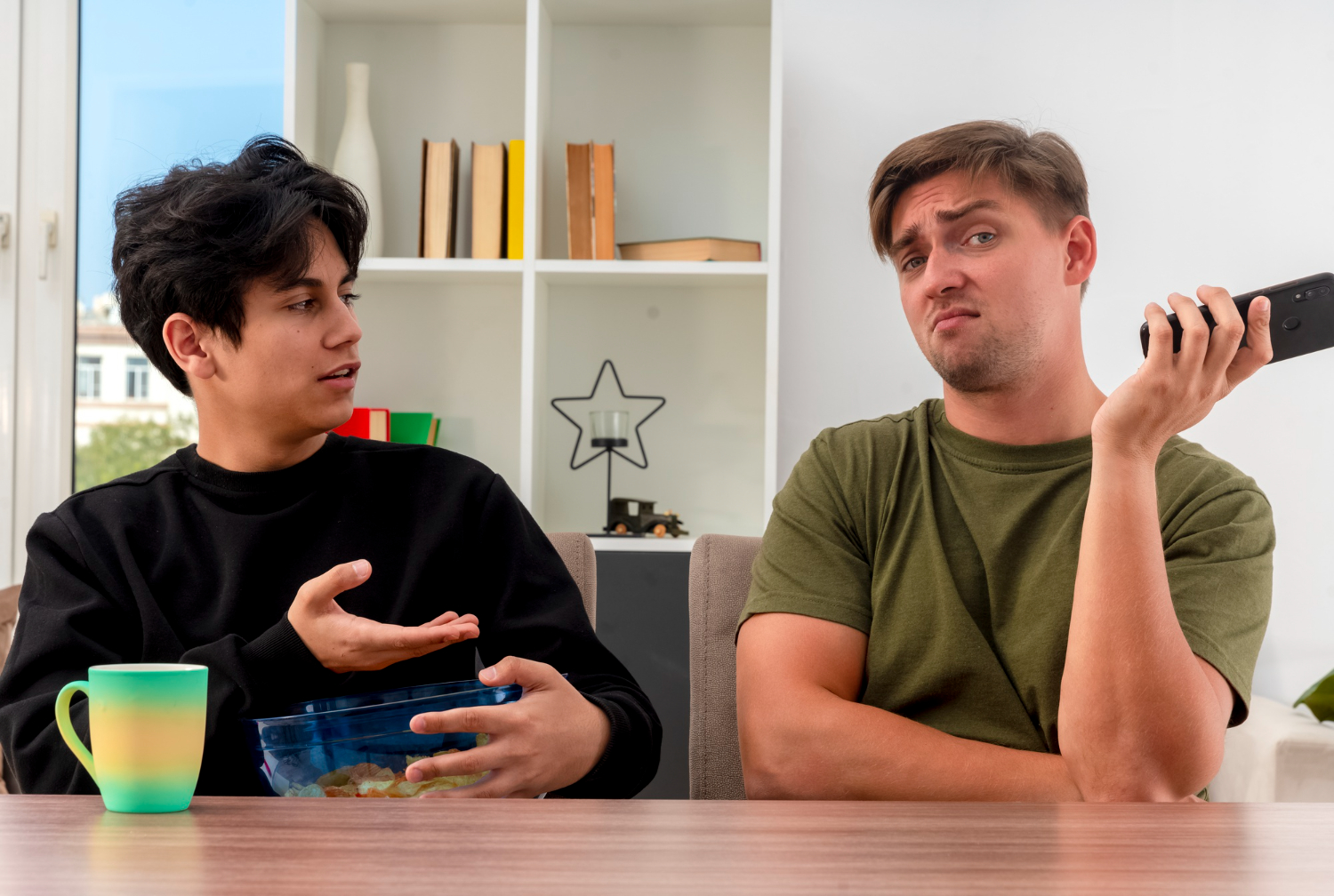
2. Difficulty “Stopping” Even After Enough Time
You ask them to stop. They say “just 5 minutes more.” That turns into 10… then 20. This is not just negotiation-it’s a sign that stopping feels uncomfortable. The child is not fully in control of their usage.
3. Mood Changes Linked to Screen Access
Pay attention to emotional patterns.
Does your child:
- Get irritated when denied screen time?
- Become unusually quiet or withdrawn without it?
- Show sudden excitement only when screens are involved?
When emotions start depending on screens, it’s an early signal.
4. Reduced Interest in Offline Activities
Activities that once excited them-playing outside, drawing, building things-start losing appeal. They may still do these occasionally, but not with the same enthusiasm. Screens begin to feel more “rewarding” than real-life experiences.
5. Using Screens as an Escape
This is one of the most important signs.
Your child may start turning to screens when they are:
- Bored
- Tired
- Upset
- Avoiding something
Instead of expressing emotions or dealing with situations, they use screens to disconnect.
6. Constant Thinking About Screens
Even when not using a device, the child may:
- Talk about games or videos frequently
- Ask repeatedly for screen time
- Plan their day around it
This shows that screens are occupying mental space, not just time.
Why These Signs Are Easy to Miss
Here’s the reality-none of these signs look “serious” on their own. They feel normal. After all, screens are everywhere. Other kids use them too. It feels like part of growing up.
And sometimes, screens genuinely help:
- They keep children occupied
- They give parents time to manage other tasks
- They provide entertainment and even learning
So it’s easy to overlook the gradual shift from use to dependence.
The Role of Reward and Habit Formation
To understand screen dependency, we need to understand how habits form. Screens are designed to be engaging.
They offer:
- Instant rewards
- Continuous stimulation
- Predictable enjoyment
The brain starts associating screens with pleasure.Over time, this creates a loop:
Trigger → Screen → Reward → Repeat
For example:
Feeling bored → Watch something → Feel better → Repeat next time
This loop strengthens quickly, especially in children. And once it becomes a habit, breaking it feels difficult-not just for the child, but for the parent too.
Academic and Focus-Related Subtle Changes
At this age, children are also building study habits. Screen dependency can start affecting this area quietly.
You might notice:
- Difficulty starting homework without distraction
- Frequent breaks during tasks
- Lack of sustained focus
- Rushing through work to get back to screens
These are not always linked directly to screen use in the beginning, which is why they often go unnoticed.
Social Shifts: From Interaction to Isolation
Children between 6-9 years are developing social skills actively. They learn how to communicate, cooperate, and build friendships. But when screens take up more time, real interactions may reduce.
This can lead to:
- Less interest in playing with peers
- Preference for solo screen activities
- Reduced communication at home
- Limited emotional expression
Again, this doesn’t happen suddenly-but gradually.
The Difference Between Enjoyment and Dependency
Let’s make an important distinction. Enjoyment is healthy.
Dependency is when:
- The child needs the activity to feel okay
- The activity starts replacing other important experiences
- The child struggles to function without it
A child enjoying a cartoon is normal. A child needing a screen to eat, relax, or feel calm is where concern begins.
What Parents Can Do-Without Panic
If you’re noticing some of these signs, the goal is not to panic. It’s to respond early, gently, and consistently. Start by observing patterns rather than reacting instantly.
You can make small adjustments like:
- Creating screen-free zones (like during meals)
- Setting clear but realistic limits
- Encouraging alternative activities without forcing
- Spending more interactive time together
- Talking openly about screen habits
These steps are not about strict control-they are about guiding balance.
Rebuilding Healthy Engagement
One of the most effective ways to reduce dependency is not by removing screens-but by making real life more engaging. Children naturally move towards what feels rewarding.
So the focus should be on:
- Making playtime interesting
- Encouraging hobbies
- Creating shared family activities
- Giving children opportunities to explore
When real-world experiences become enjoyable, screens lose their dominance naturally.
A Gentle Reality Check
If you’re reading this and recognizing a few signs, take a pause. You’re not alone. Most parents today are navigating the same challenge. Screen dependency is not a result of “bad parenting.” It’s a reflection of the environment children are growing up in.
What matters is not perfection-but awareness. Because the earlier these patterns are noticed, the easier they are to shift.
Final Thoughts: Catching It Before It Grows
The ages of 6-9 are a foundation for habits that can last into teenage years and beyond.
This is where children learn:
How to relax
- How to cope
- How to spend free time
- How to balance responsibilities and enjoyment
If screens become the primary answer to all of these, dependency can grow stronger over time. But if children are guided towards balance early, they develop healthier patterns naturally. The signs are not loud. They don’t come with warnings.They show up quietly-in daily choices, small reactions, and subtle preferences. And that’s why noticing them early makes all the difference. Because when it comes to screen dependency, prevention is always easier than correction.

Parent With Purpose
Parent with Purpose is your trusted parenting resource, offering expert advice, practical tips, and real experiences from fellow parents. Our content is organized by your child’s age, from pregnancy to the teen years, ensuring guidance that’s relevant to your current stage. Learn through articles, videos, podcasts, and courses that fit your lifestyle. We also provide carefully curated book lists, meal plans, product recommendations, and India-focused resources to make parenting easier and more informed.