 2 min read
 Navigating the fine line between fear & freedom in parenting
Parents are granting too much freedom too soon - like unrestricted access to money, technology, or social media - assuming their children will naturally make the right choices.




Anyone over the age of 25 knows parenting back then was a different world. Discipline wasn’t cultivated through understanding; it was enforced through fear. Meals weren’t negotiated; they were simply served. We weren’t coddled, nor were we encouraged to voice opinions freely. And yet, we weren’t pushed into the world without guidance either. We were taught - sometimes excessively, sometimes harshly - but we were prepared.
Today’s parenting, in contrast, is swinging in the opposite direction. In a bid to take an opposite route from the authoritarian styles of the past, many new-age parents are embracing a hands-off approach. This one values independence, self-learning, and treating the child as an equal. “Let them learn at their own pace” has become the modern parenting mantra. While this is a noble and progressive direction, it can also veer off into the territory of over-liberation, especially in one’s teen years, when guidance is exactly what children need the most.
Parents are granting too much freedom too soon - like unrestricted access to money, technology, or social media - assuming their children will naturally make the right choices. In trying to be the “cool” parent, some end up normalising casual disrespect, dismissive attitudes, or even questionable behaviour, mistaking it for individuality. But while teens may seek autonomy, they still crave boundaries. So, which parenting style is better? Neither.
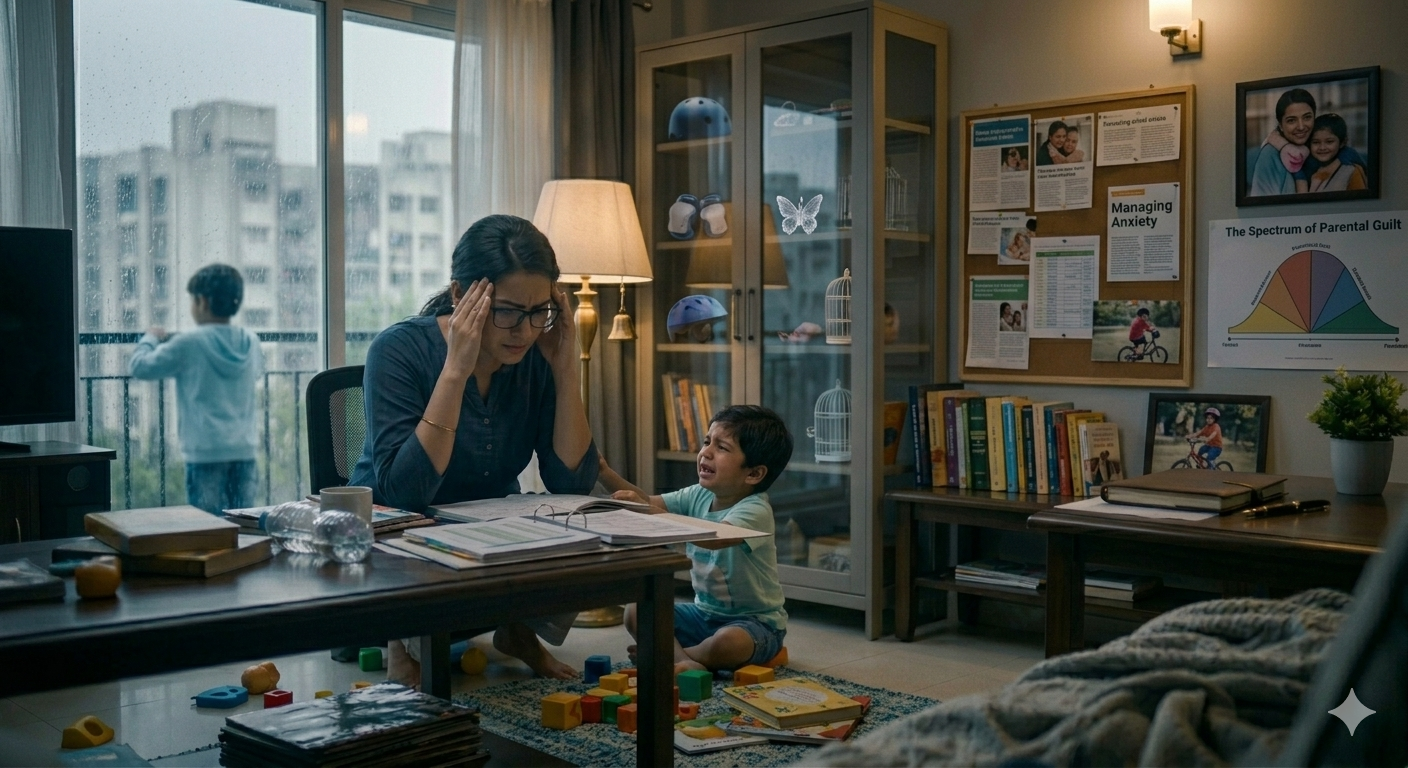
What parenting today truly needs is balance. Not extreme fear, nor unchecked freedom. Not constant coddling, nor blind independence. What we need is purposeful parenting.Purposeful parenting lies at the heart of a balanced approach. It’s about being present, not overbearing; about offering freedom, but with structure. It’s guiding without micromanaging and disciplining without diminishing.Too often today, in an attempt to become the “cool” parent or a child’s best friend, parents forget that children don’t just need playmates - they need mentors, protectors, and role models.
Yes, independence is important. Children should learn through experiences. But there’s a misconception that throwing them into the deep end will teach them to swim. We don’t instinctively know how to fly. Children need tools like life skills, values, emotional intelligence, and critical thinking before they can navigate life independently.Studies show that children with parents who are not afraid to be assertive have higher self-esteem, better academic outcomes, and stronger social skills. (Source: American Psychological Association)
This doesn’t mean extremes. It means thoughtful, balanced involvement.As parents, it’s becoming more and more important to step back and find the middle ground for our children - losing grip in fear or under the burden of too much responsibility too soon can do more harm than good. Be the support your child needs, be the mentor your child deserves, and be assertive enough to help them stay on their path.Your involvement is the game changer.

Ruchira Darda
Ruchira Darda is a certified parenting coach (ACC), NLP Practitioner, author, and the founder of parentwithpurpose.in. She works with families across India through her initiatives WOW, MahaMarathon, and The Yellow Door.