 6 min read
 How to Stop Yelling at Your Kids: A Guide to Parent Emotional Regulation
This guide is not here to shame you for yelling. It's here to help you understand why it happens and give you practical, science-backed tools so it happens less.

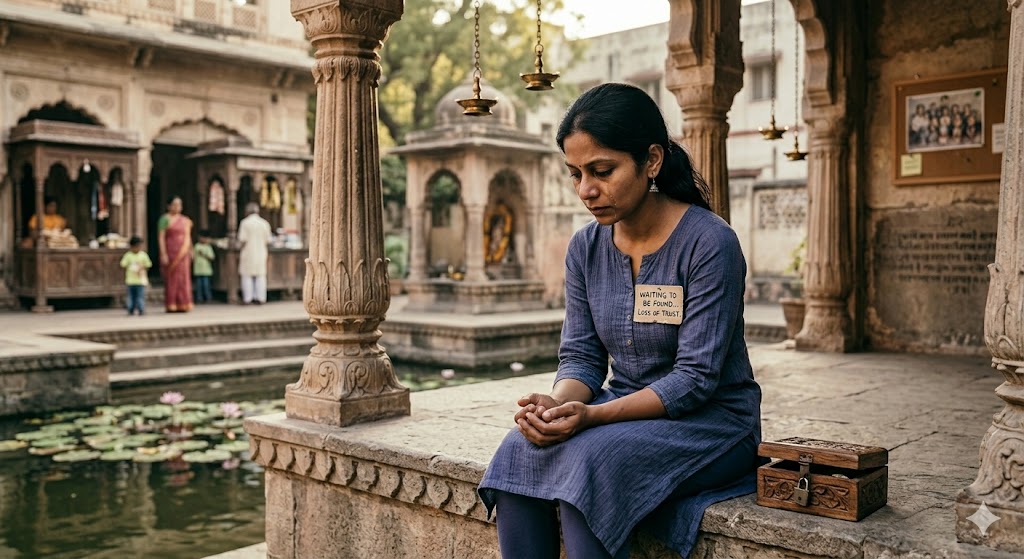
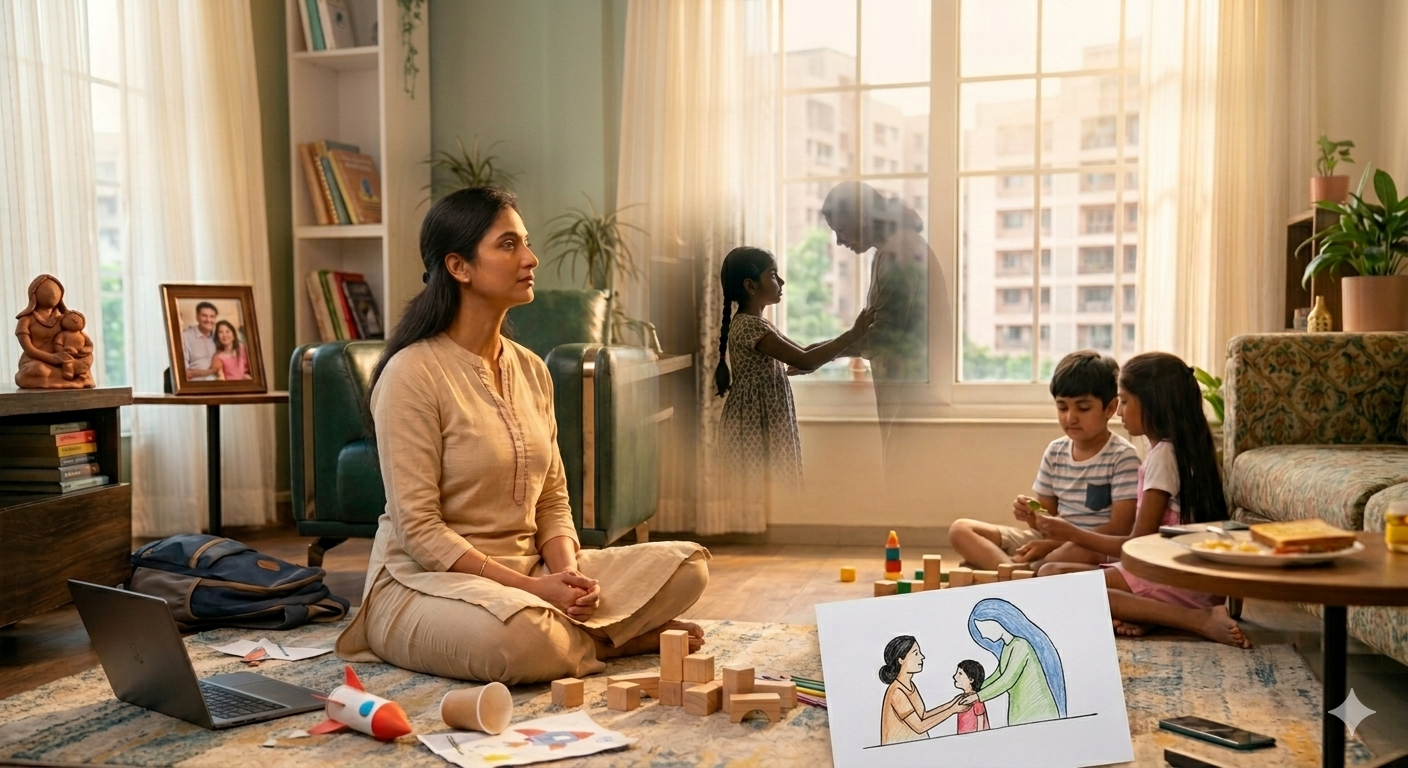
You told yourself you wouldn't do it today.Then the morning happened. Your son ignored you for the third time. The school bag was still unpacked. The milk was on the carpet. And before you even registered what was happening you heard your own voice, loud and sharp, filling the room.Your child flinched. And you felt that familiar wave of guilt crash in right behind the anger.
Here's the thing: you are not a bad parent. You are a regulated human being who hit their limit. And there is a massive difference between the two.This guide is not here to shame you for yelling. It's here to help you understand why it happens and give you practical, science-backed tools so it happens less.
Why Parents Yell: The Real Reason It's Not About Your Kids
Most parents believe they yell because their children won't listen. But that's only half the story.Yelling is a nervous system response. When your stress levels peak whether from sleep deprivation, work pressure, relationship strain, or a toddler who has asked "why" forty-three times your brain's threat-detection system fires up. Your prefrontal cortex (the rational, patient, problem-solving part of your brain) goes offline. And your fight-or-flight response takes the wheel.In that moment, you are not choosing to yell. Your body is choosing it for you.This is why "just stay calm" is such useless advice. You can't think your way out of a triggered nervous system. You have to work with your body not against it.Understanding this one fact changes everything. Because now the question shifts from "What's wrong with me?" to "What does my nervous system need right now?"
What Yelling Actually Does to Your Child
Before we talk solutions, it's worth being honest about impact not to make you feel worse, but because the truth matters.Research suggests that harsh verbal discipline isn't effective long-term and may actually worsen behaviour over time. Children who are frequently yelled at may become more anxious, learn to shut down emotionally, or become more prone to yelling themselves as a conflict-resolution strategy.
In the short term, yelling may get compliance. But it achieves that through fear not understanding, not trust, and not connection. And fear is not a foundation you want your relationship with your child built on.Emotional regulation for parents is just as important as it is for kids. Modelling calm, regulated behaviour teaches them to manage their emotions more effectively too. When you respond with patience, even in difficult moments, you're showing your child what emotional self-regulation looks like in real time.The good news? Every time you catch yourself and choose differently, you are actively rewiring the pattern for both of you.
6 Practical Strategies to Stop Yelling at Your Kids
1. Learn Your Warning Signs Before You Blow
Yelling rarely comes from nowhere. There's almost always a build-up a tightening in your chest, a jaw that starts to clench, a tone that sharpens before the volume goes up.Start paying attention to your early warning signs. When you notice them, that's your window to intervene before your nervous system takes over completely.
Ask yourself: What does my body feel like five seconds before I yell? Once you know the signal, you can use it as a cue to pause.
2. Use the Pause-and-Reset Technique
The minute you notice you're yelling or about to take a deep breath. You can shut your mouth and turn away. Take a breath. Shake out your hands, splash some water on your face. By changing your physical state in these ways, you give your body a signal that it doesn't need to stay in fight-or-flight mode.
This isn't weakness. This is co-regulation in action. When you regulate yourself, you create the conditions for your child to regulate too.
3. Lower Your Voice Instead of Raising It
Counter-intuitive but powerful: try whispering.
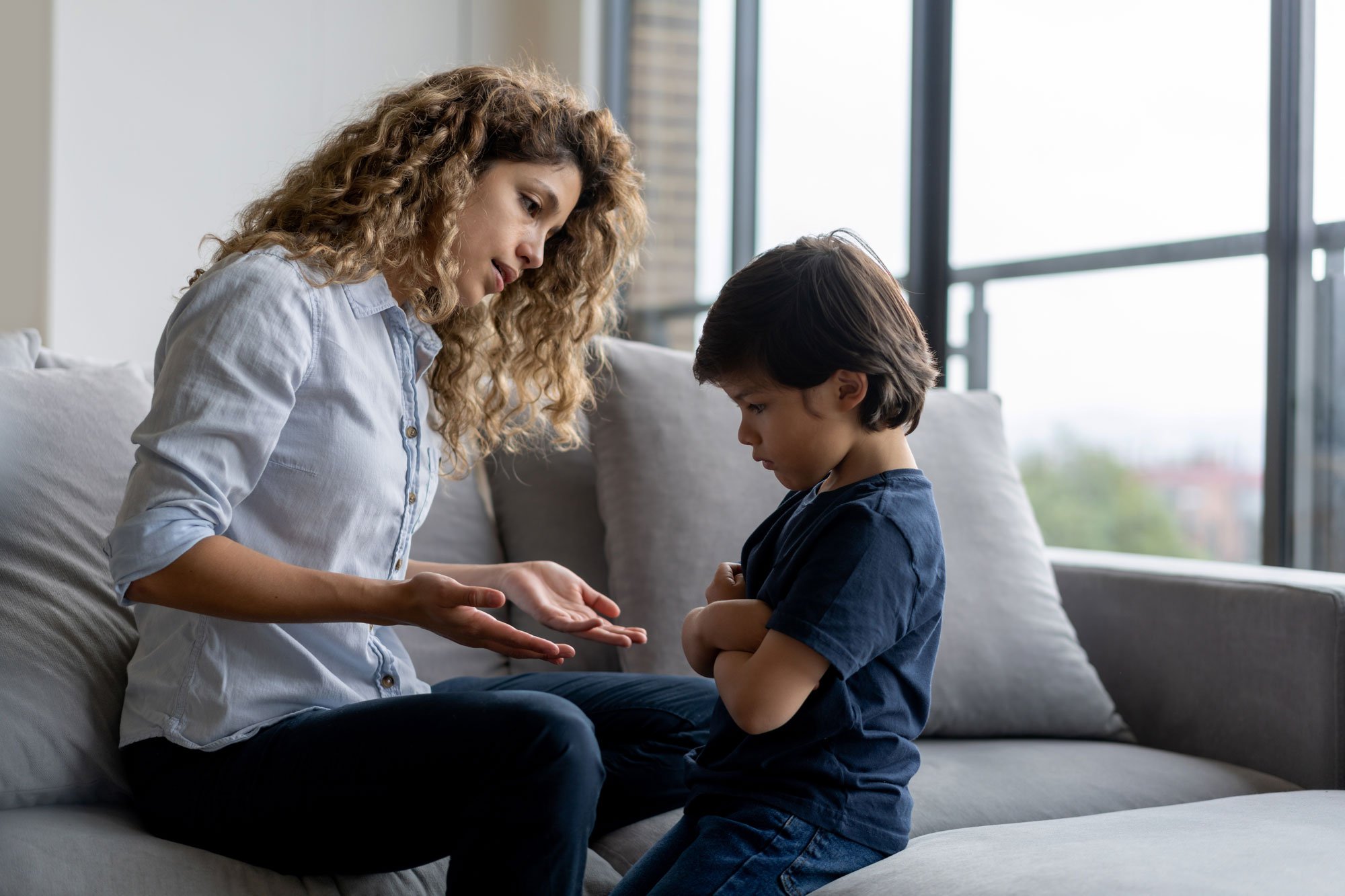
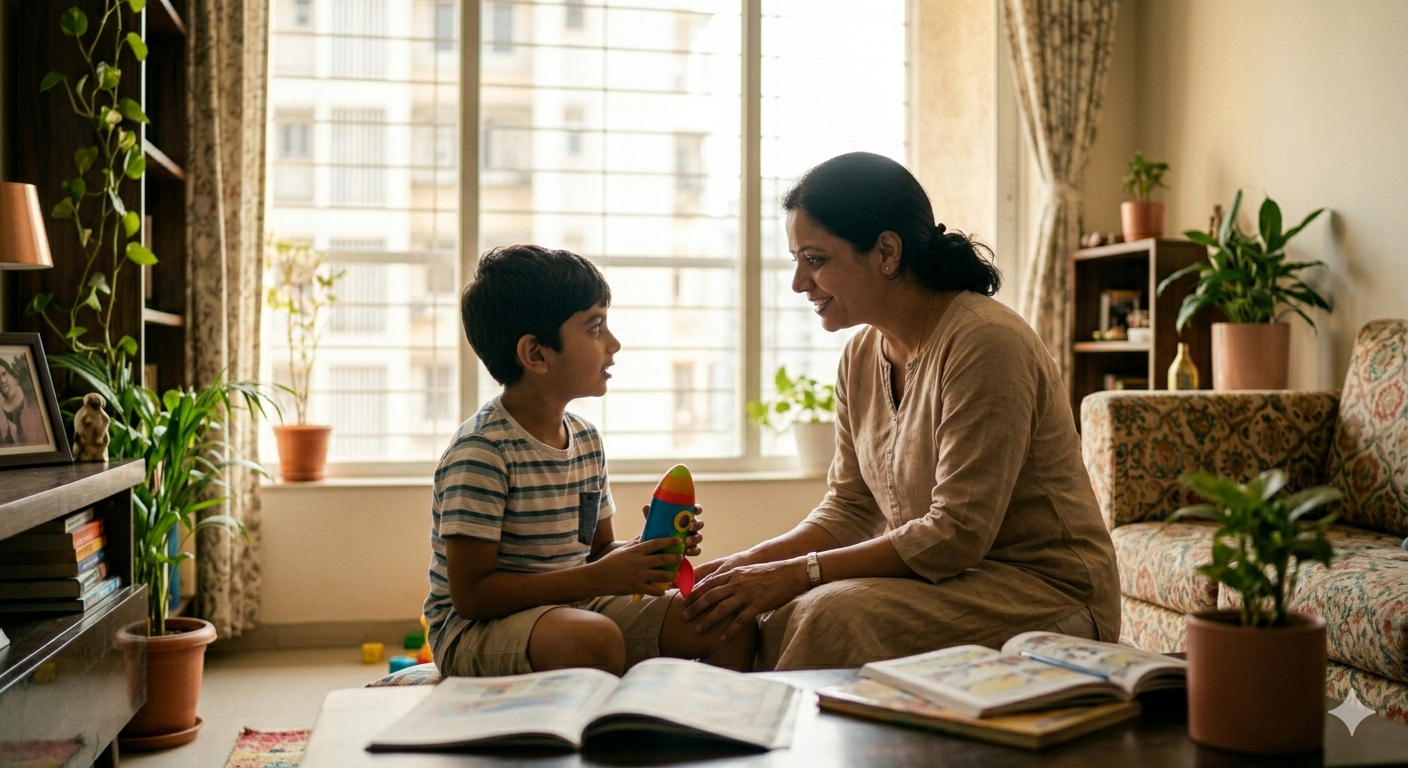
Instead of yelling from a distance, try lowering your voice and getting down to your child's eye level. Whispering can be especially effective, as it compels them to pay closer attention to your words.A quieter voice forces your child to stop and listen. It also keeps your nervous system calmer because the act of raising your voice physiologically escalates your own arousal.
4. Identify and Address Your Real Stressor
Nine times out of ten, the thing that makes you snap is not actually your child's behaviour. It's the accumulated weight of everything else the deadline, the exhaustion, the argument from earlier, the fact that you haven't eaten since breakfast.It's often everything before the triggering moment: the overwhelm, the pressure to get it all done, the never-ending demands.
Start asking yourself: What am I really stressed about right now? Naming it even just to yourself takes some of its power away.
5. Create a Family Reset Plan
When you're not in the middle of a meltdown, talk to your children about big feelings. When things are relaxed not in the middle of a problem talk to your child about managing feelings. You can tell them that it's okay to feel upset or angry, but yelling and shouting is not a good way to express ourselves.Build a family plan together. Maybe it's a signal word, a designated calm-down corner, or a breathing exercise you both practice. When children are part of the solution, they're more invested in making it work.
6. Repair Without Over-Explaining
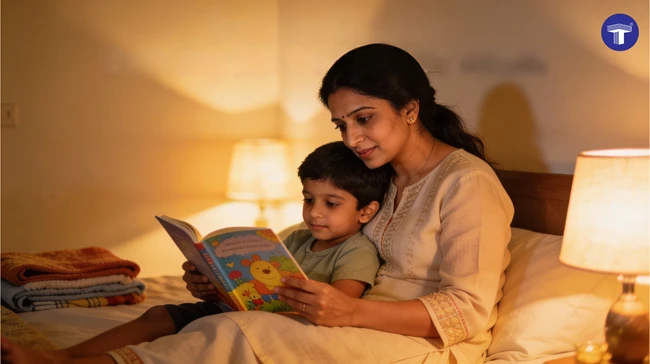
If you yell, take ownership. A simple apology teaches kids it's okay to make mistakes and that it's important to take responsibility and try to make things right. Something like: "I'm sorry I yelled at you. It's not okay to yell. I could have taken some deep breaths to stay calm. I'll work on being calmer in the future."
Keep it brief. Don't over-explain or turn the apology into a lecture. Just say sorry and mean it.
The Calm Parenting Mistake Most Parents Make
The most common mistake in calm parenting strategies is treating emotional regulation like a willpower challenge. It isn't.You cannot white-knuckle your way to patience. Sustainable calm comes from:
- Getting enough sleep. A sleep-deprived parent has a dramatically shorter fuse. This isn't a character flaw it's neuroscience.
- Having your own outlets. Exercise, adult conversation, creative time these aren't luxuries. They are maintenance for the nervous system you're trying to regulate.
- Lowering your overall stress load. If the house, the schedule, and the relationship are all maxed out your children will always get the overflow.
The goal is not perfection. You will mess up. You will likely raise your voice again. A mistake is not the measure of a person. A mistake is an opportunity to learn, change, and reconnect with your child.
Expert Parenting Coach Insight
The parents I work with who make the most lasting change are not the ones who never yell again after our first session. They're the ones who start getting curious instead of critical when they do yell. They ask: What was I feeling? What did I need? What was my child communicating? That curiosity is what breaks the cycle not willpower, not perfection.
Key Takeaways
- Yelling is a nervous system response, not a character flaw but it has real effects on your child's emotional development.
- Learn your personal warning signs early so you can intervene before you reach your limit.
- Calm parenting without yelling starts with your regulation, not your child's behaviour.
- Lower your voice, use the pause-and-reset, and address your real stressor not just the surface trigger.
- Repair matters more than perfection. A sincere apology models the exact emotional intelligence you want your child to develop.
Frequently Asked Questions
Q1. Is it normal to yell at your kids? Yes most parents do it at some point. Yelling becomes a problem when it's the default response, happens frequently, or involves name-calling and humiliation. Occasional raised voices in moments of genuine stress are human. The goal isn't to never feel frustrated it's to build the tools to respond before you've boiled over.
Q2. What are the effects of yelling on children? Research links frequent yelling to higher anxiety, lower self-esteem, increased aggression, and emotional shutdown in children. It can also model yelling as a normal conflict-resolution strategy meaning your children are more likely to repeat the pattern in their own relationships.
Q3. How do I stop yelling when I'm genuinely overwhelmed? Start with the body, not the mind. Deep breaths, cold water on the face, physically stepping away for 60 seconds these interrupt the stress response before it peaks. Then address the underlying stressor when you're calm enough to think clearly.
Q4. What should I say to my child after I yell? Keep it simple and sincere: "I'm sorry I raised my voice. That's not how I want to speak to you. I was feeling overwhelmed, and I'm working on it." Don't over-explain or turn the apology into a lesson. Connection not justification is what repairs the moment.
Q5. Can calm parenting really work for strong-willed or defiant children? Especially for them. Strong-willed children tend to escalate in direct proportion to the emotional intensity around them. When you stay regulated, you remove the fuel. It takes consistency, but calm parenting without yelling is one of the most effective strategies for reducing defiance and power struggles over time.
You Don't Have to Be a Perfect Parent Just a Repairing One
Stopping yelling at your kids is not about becoming someone who never gets frustrated. It's about building a slightly longer gap between the trigger and the response and knowing what to do in that gap.Every time you pause. Every time you lower your voice instead of raising it. Every time you come back and say sorry you are teaching your child something that will stay with them for life.That's not a small thing. That's everything.

Parent With Purpose
Parent with Purpose is your trusted parenting resource, offering expert advice, practical tips, and real experiences from fellow parents. Our content is organized by your child’s age, from pregnancy to the teen years, ensuring guidance that’s relevant to your current stage. Learn through articles, videos, podcasts, and courses that fit your lifestyle. We also provide carefully curated book lists, meal plans, product recommendations, and India-focused resources to make parenting easier and more informed.